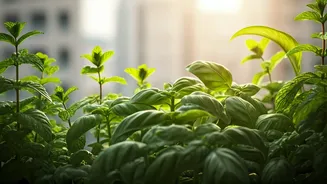




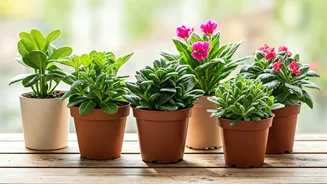


First, Plan Your Green Space
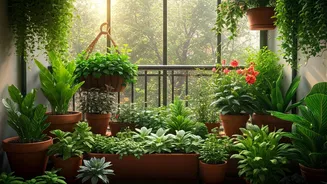
Before you rush to the nursery, take a moment to observe your balcony. The most crucial factor for a successful herb garden is sunlight. Most herbs thrive with at least 4-6 hours of direct sunlight per day. Watch your balcony through the day to see which
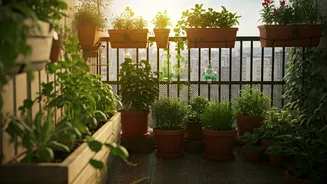
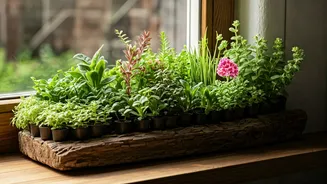
spots get the most sun. Is it a bright morning sun or a harsh afternoon glare? This will determine which herbs will flourish. Next, consider your space. Are you working with a narrow ledge or a slightly wider area? This will influence your choice of containers. Vertical planters, railing pots, and hanging baskets are fantastic space-savers. Don't feel you need to buy expensive pots; recycled plastic bottles, old paint buckets, or traditional terracotta (gamlas) work beautifully, as long as they have drainage holes at the bottom to prevent waterlogging and root rot.
Five Must-Have Herbs for Indian Kitchens
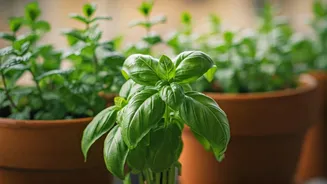
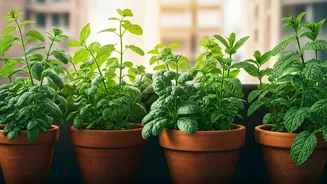
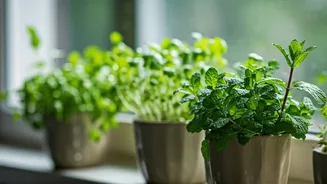
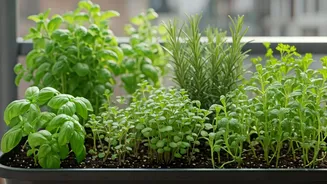
Starting with the right plants is key to building confidence. These five herbs are not only central to Indian cooking but are also remarkably forgiving for beginners. 1. **Tulsi (Holy Basil):** A staple in many Indian homes, Tulsi is easy to grow and requires moderate sunlight. It's known for its medicinal properties and can be used in teas and other preparations. It’s a hardy plant that thrives in a simple pot. 2. **Pudina (Mint):** Famously easy to grow—almost too easy! Mint is a fast-spreading plant, so it's best to give it its own pot to prevent it from taking over. It loves moisture and can tolerate partial shade. A single cutting from a bunch you bought at the market can be rooted in a glass of water and then planted. 3. **Dhania (Coriander):** The soul of many garnishes. Dhania can be grown from the whole coriander seeds in your masala box. It prefers cooler weather and morning sun. The trick to a continuous supply is succession planting—sow a new batch of seeds every two weeks. 4. **Kadi Patta (Curry Leaves):** This perennial plant is a must-have. It grows into a small shrub and loves full sun. Buy a small sapling from a nursery for a head start. Once established, it will provide you with aromatic leaves for your tadkas for years to come. 5. **Ajwain (Carom):** The plant’s leaves have a distinct, pungent flavour perfect for pakoras. Like mint, it's incredibly easy to propagate from a cutting and grows vigorously in a pot with well-draining soil and ample sunlight.
Potting and Planting a Solid Foundation
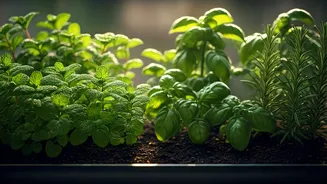
Your herbs need a good home to grow. Don't just fill your pots with soil from the ground, which can be too heavy and lack nutrients. Instead, create a light, airy potting mix. A great DIY formula is one part garden soil, one part coco-peat (to retain moisture), and one part compost or vermicompost (for nutrition). Most nurseries sell a ready-made potting mix, which is a convenient option. When planting, don't bury the seeds or saplings too deep. For seeds like coriander, sprinkle them on the surface and cover with a thin layer of soil. For saplings, place them in the pot so the base of the stem is level with the soil. Water them gently right after planting to help them settle in.
The Secret to an 'Endless' Harvest
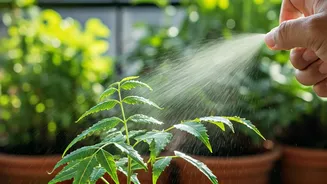
The promise of 'endless' herbs comes down to one simple rule: the more you harvest, the more they grow. Regular pruning encourages the plants to become bushier and more productive. For herbs like mint and basil, pinch off the top set of leaves just above a leaf node. This will signal the plant to send out two new shoots from that point. For coriander, snip the outer, larger leaves first, leaving the smaller, inner leaves to continue growing. Avoid letting your herbs flower (unless you want to save seeds), as flowering often signals the end of the plant's life cycle and can make the leaves bitter. Water your plants when the top inch of soil feels dry to the touch, and feed them with a diluted liquid fertilizer or some fresh compost once a month to keep them healthy and productive.