


The Shifting Tides of Tourism
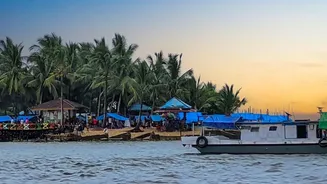
For decades, Goa’s tourism calendar was predictable: a frantic rush from November to February, followed by a sleepy lull during the monsoon months of June to September. But that narrative is changing. An increasing number of travellers, weary of overpriced
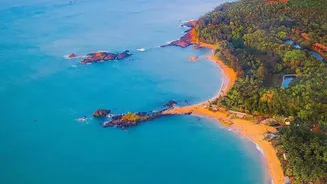
flights and shoulder-to-shoulder crowds, are discovering the magic of a rain-washed Goa. While the peak winter season still draws the largest crowds, the monsoon is carving out a niche for itself, attracting those who seek serenity over revelry. This shift is driven by a desire for more authentic experiences, significant cost savings, and the simple appeal of seeing a place transform.
An Emerald Paradise Reawakened
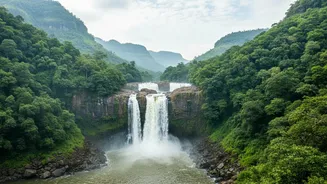
The primary allure of monsoon Goa is its staggering natural beauty. The rains breathe new life into the landscape, transforming the sun-baked terrain into a vibrant, emerald paradise. The Western Ghats, which form Goa's eastern border, become a tapestry of lush forests and gushing streams. Waterfalls like the famous Dudhsagar, whose name means 'Sea of Milk', swell to their most spectacular and powerful state, creating a sight that is impossible to witness in the dry season. The countryside, from paddy fields to spice plantations, bursts with a freshness and vitality that offers a completely different, and arguably more profound, Goan experience.
A Different Kind of Itinerary
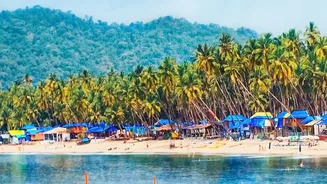
While swimming in the rough seas is off-limits and many temporary beach shacks are closed, a rich itinerary of activities emerges. This is the perfect time for exploring Goa's hinterland. Treks through wildlife sanctuaries, visits to spice plantations that are fragrant and thriving in the wet weather, and heritage walks through the rain-washed Latin Quarter of Fontainhas in Panjim offer a deeper cultural immersion. Many restaurants, bars, and cafes remain open, providing cozy refuges from a downpour. Adventure seekers can even find activities like white-water rafting on the Mhadei River, which becomes a thrilling ride during the monsoon.
The Appeal of Budget-Friendly Bliss
Beyond the scenic beauty, the financial benefits are a major draw. The monsoon is considered the off-season in terms of pricing, meaning flights, luxury resorts, and boutique homestays offer significant discounts, often at a fraction of their peak-season rates. Renting scooters or cars also becomes cheaper and navigating the roads is far easier without the usual tourist traffic. This affordability allows travellers to experience a more luxurious or longer holiday without breaking the bank, making a spontaneous Goan getaway more accessible than ever.
What to Know Before You Go
A monsoon trip requires some practical planning. Pack quick-drying clothes and waterproof footwear, as the humidity is high and trails can be muddy. While the beaches are beautiful to walk on, the sea is dangerous, with strong currents, so swimming is not advised. Mosquito repellent is essential. It's also wise to have a flexible schedule; heavy downpours can sometimes alter plans for a few hours. North Goa tends to have more indoor options like museums and cafes for rainy days, while South Goa offers a quieter, resort-focused retreat. But for those prepared, the rewards are immense.