







The Illusion of Cheap Flights
The first instinct for many travellers is to check a flight booking portal. You see an attractive initial fare and think you’ve found a deal. However, this is often just the beginning. Airlines in India employ dynamic pricing, which means prices surge
as demand increases and seats fill up. This is especially true when booking for a group; the system may show a higher price for all tickets if only a few seats are available at the lowest price tier. Furthermore, the advertised price is rarely the final price. Hidden costs for baggage, seat selection, convenience fees, and even airport transfers can quickly inflate the total cost, turning a 'budget' flight into a significant expense.
The Smart Strategy: Special Trains
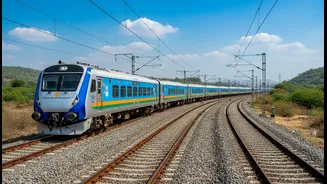
This is where Indian Railways comes in as a powerful alternative. To manage the rush during peak seasons like summer holidays, Diwali, or other major festivals, Indian Railways announces hundreds of 'Special Trains' and 'Suvidha Trains'. For summer 2026, for instance, a massive 18,262 special train trips were approved to run between April and July. These trains are not on the regular schedule and are specifically designed to meet higher demand on popular routes. By making it a habit to check the IRCTC website or app for these special announcements before looking at flights, you open up a whole new set of, often cheaper, travel options. These trains are announced for major events like the Rath Yatra and Onam, providing crucial connectivity.
Understanding Suvidha and Special Trains
What exactly are these trains? Special trains are deployed on a need-basis to clear extra passenger traffic. Suvidha trains, introduced in 2015, are a premium version of these specials, often featuring dynamic pricing similar to airlines, but with a different structure. While Suvidha fares can sometimes become more expensive than flights on high-demand routes, they still offer confirmed tickets and are a solid option when regular trains are full. The booking window for these trains is typically shorter, opening 10 to 30 days in advance, so it pays to be vigilant. You can book these tickets directly on the IRCTC website or app, just like a regular train.
The Real Cost Calculation
When comparing train versus flight, it's about more than just the ticket price. A train journey often eliminates the need for expensive airport taxis, as railway stations are usually located more centrally within a city. The generous luggage allowance on trains is another major advantage, saving you from the steep excess baggage fees that airlines are notorious for. A journey in an AC coach on a special train can be significantly more comfortable and spacious than a cramped airline seat, especially for families or those with lots of luggage. For journeys under 800 km, the total door-to-door travel time can be surprisingly comparable once you factor in airport check-in, security, and boarding procedures.
When Flights Still Make Sense
This 'train-first' strategy does not mean you should never fly. For very long distances, such as travelling from the north to the south of India, a flight is undeniably faster and more practical. If you have a last-minute emergency and special trains are already booked, a flight might be your only viable option. Similarly, if you are able to book your flight tickets several months in advance, you might find fares that are competitive with or even cheaper than premium train classes like 1AC or 2AC on certain routes. The key is to use trains as your baseline. Know your train options first, and then decide if the extra cost of a flight is justified by the time saved.