



From Flat Whites to Flavourful Chaat
For years, the Indian café was a predictable space. The menu was a familiar roster of sandwiches, pastas, and pastries—foods that signalled a globalised, modern aesthetic. But a quiet and flavourful revolution is underway. Across the country, from metropolitan
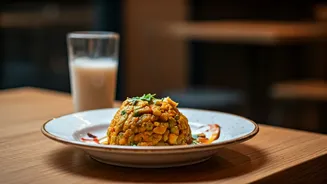
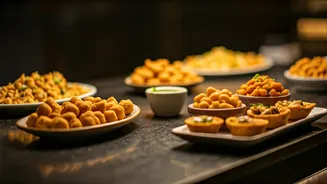
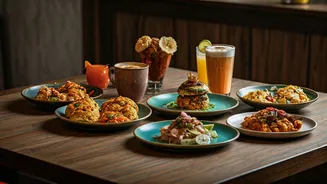
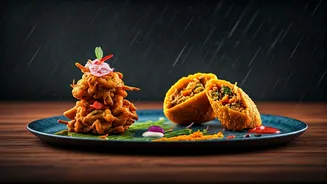
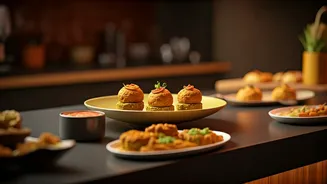
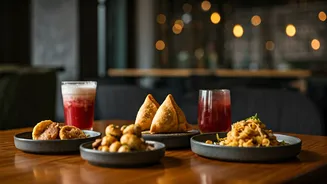
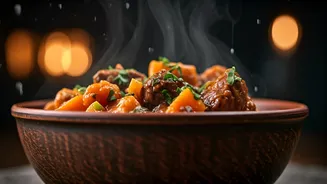
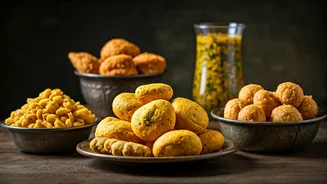
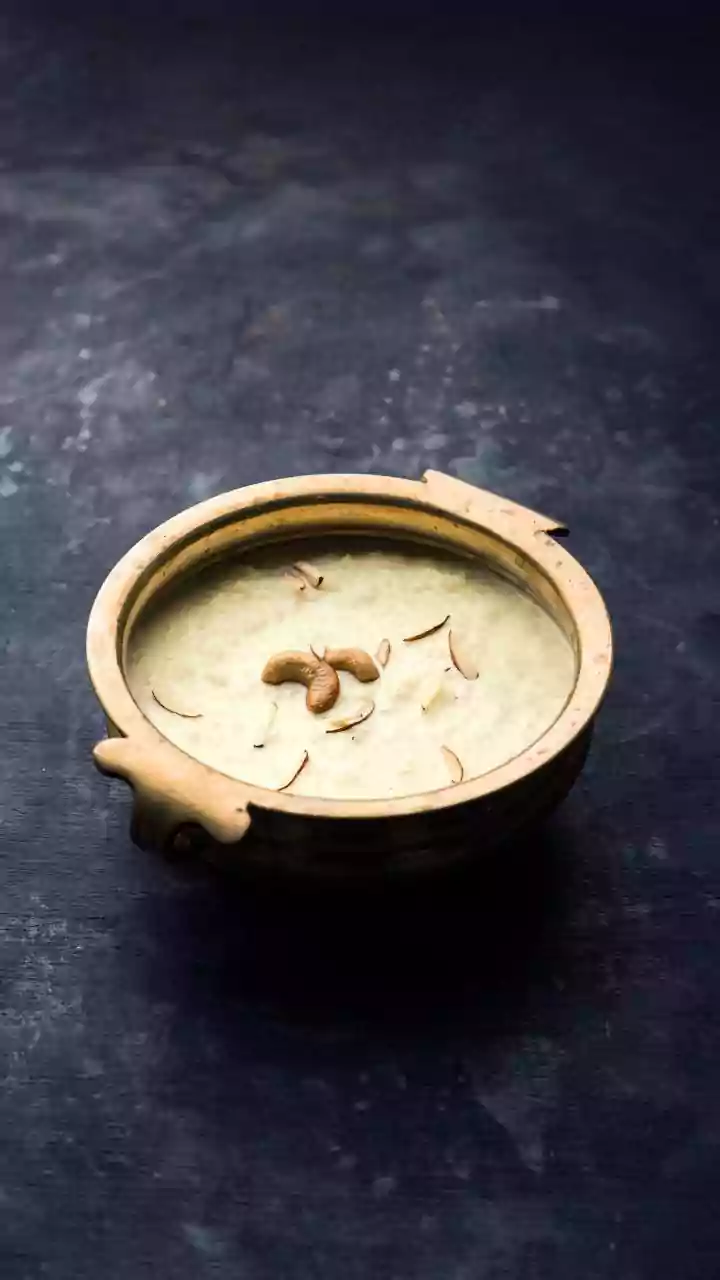
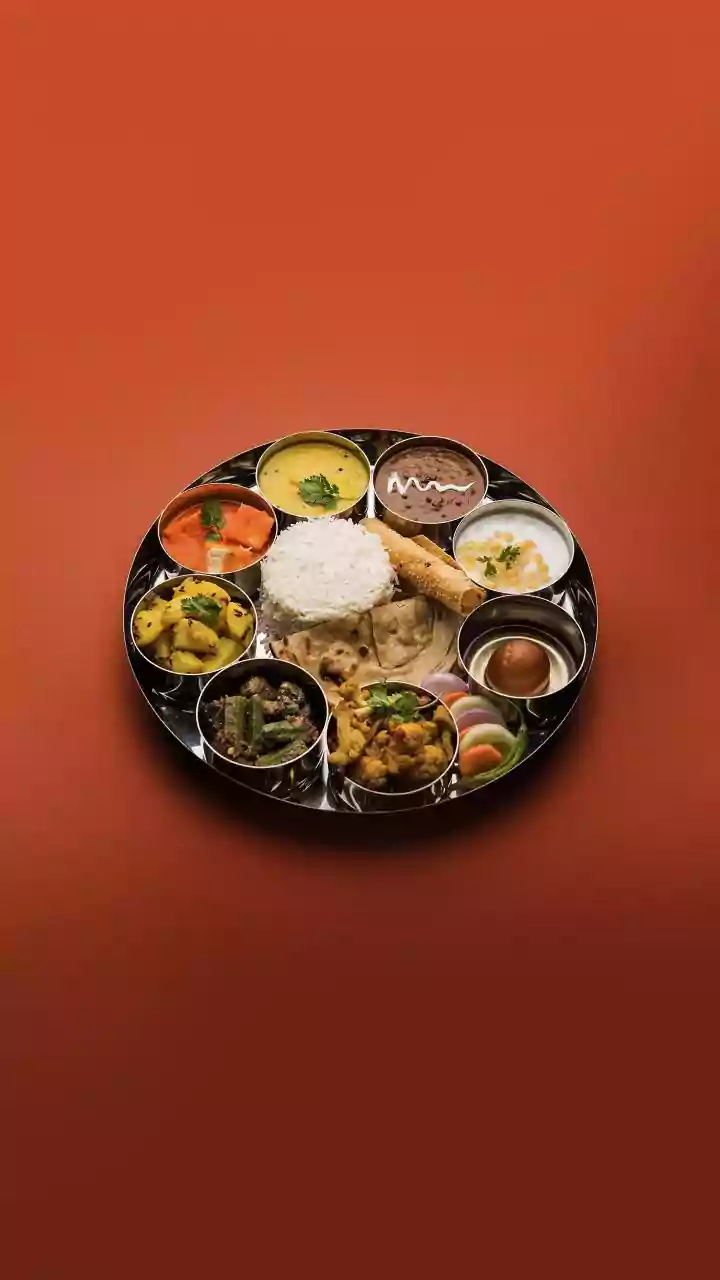
hubs to smaller cities, café owners are looking inward, celebrating the immense diversity of India's regional snacks and dishes. This isn't just about adding a token samosa to the menu; it's a full-fledged embrace of authenticity. Establishments are digging deep into India's 28 states, unearthing hyper-regional specialties and even tribal cuisines to offer patrons a unique experience. The result is a vibrant new café culture where you're as likely to find a deconstructed dabeli as a classic tiramisu.
A Craving for Comfort and Authenticity
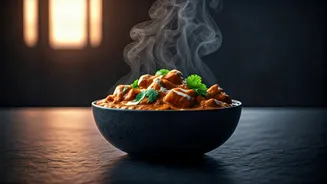
So, what’s driving this change? The answer lies in a powerful combination of nostalgia and a renewed appreciation for local identity. For many diners, these regional dishes are a taste of home, a comforting memory served in a contemporary, stylish setting. There's an emotional connection to food that a quinoa salad simply can't replicate. This shift is also fuelled by a more discerning consumer base. Thanks to social media and food bloggers, awareness of India's vast culinary landscape has skyrocketed. Diners are no longer content with generic menus; they seek stories and authenticity. They want to know the history behind a dish, connecting with a meal on a cultural level. This desire for genuine experiences is pushing chefs and restaurateurs to champion heritage recipes and traditional cooking techniques.
The Hyperlocal Menu in Action
This trend is not just an idea; it's being served on plates across India. In Delhi, Café Lota has been a trailblazer, offering a menu that features lesser-known dishes from various regions, like Rajasthan's papad ki sabzi and Bihar's sattu paratha. In Pune, Café Lento puts a creative spin on regional savoury pancakes with its 'Cornlette', a dish inspired by traditional cheela and dosa. In Leh, the Old Road Café incorporates the area's Silk Route history with snacks like the 'Samso', a relative of the samosa. Even fast-food chains are localising their menus, studying regional spice tolerances and ingredient familiarity to create offerings like butter chicken-sauced burgers and Chettinad-seasoned pizzas. This movement shows that celebrating local flavours is a powerful way for establishments to create a unique identity and connect with their communities.
A Modern Twist on Tradition
While authenticity is a major driver, many cafes are also innovating, presenting these classic dishes with a modern sensibility. This isn't about diluting flavours, but rather enhancing the experience through creative presentation and thoughtful fusion. You might find an Amritsari fish coated with popped amaranth grain, or Mumbai's keema pav served in a soft bao. Some chefs are reinterpreting street food favourites like pani puri and vada pav with a gourmet touch, catering to an audience that wants an authentic yet refined dining experience. This thoughtful reinvention makes traditional food more accessible and exciting for a new generation of diners, blending the lines between a fine-dining restaurant and a casual cafe. It is this balance of heritage and innovation that makes the trend so compelling.