


Verify Purity and Hallmarking
The first and most crucial step is to verify the purity of the gold. In India, this is confirmed by the Bureau of Indian Standards (BIS) hallmark. Look for the three mandatory marks on any piece of gold jewellery: the BIS logo (a triangle), the purity/fineness
grade (e.g., 916 for 22-karat gold or 750 for 18-karat gold), and the six-digit alphanumeric Hallmark Unique Identification (HUID) number. This HUID code offers transparency, allowing you to verify the jeweller, hallmarking centre, and other details using the BIS CARE app. Never purchase wedding jewellery without this official certification, as it is the primary guarantee of the gold's stated purity.
Understand the Price Break-Up
The final price of a jewellery piece is not just the cost of gold. It includes several other components. Always ask for a detailed bill that breaks down the price into the gold value (based on the day's market rate), making charges, the value of any stones, and Goods and Services Tax (GST). Making charges can vary significantly, from 5% to over 25% of the gold's value, depending on the intricacy of the design. Some jewellers apply a flat rate per gram, while others use a percentage. Be aware that these charges are often negotiable, especially on heavier pieces or during festive seasons.
Evaluate the Craftsmanship and Design Style
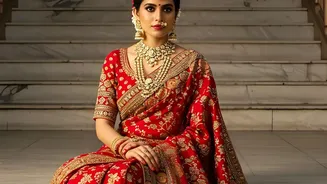
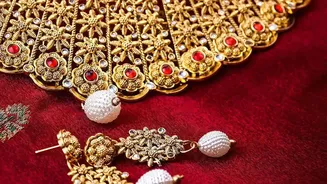
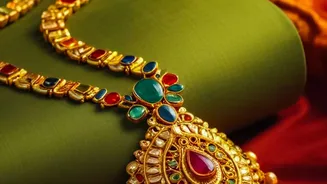
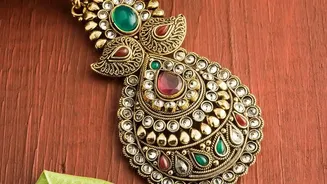
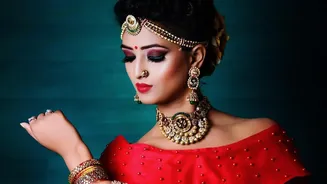
Traditional Indian bridal jewellery comes in various craft styles, each with its own aesthetic and cost implications. For example, Polki jewellery features uncut, raw diamonds, giving it a rustic, antique look. Kundan, on the other hand, uses glass stones or semi-precious gems set with gold foil to create a vibrant, elaborate finish. Jadau is the overarching craft of setting these stones into gold. Understanding these differences is key. Polki is generally more expensive due to the use of real diamonds. Examine the finishing, the intricacy of the work (like meenakari enamel on the reverse), and the security of the stone settings.
Inquire About Buy-Back and Exchange Policies
Jewellery is also an investment, so understanding the jeweller's buy-back and exchange policies is vital. Ask about the terms before you purchase. Most jewellers will repurchase their own jewellery, but the value you get back will be different from what you paid. Typically, making charges and taxes are non-refundable. The buy-back value is calculated on the net weight of the gold at the prevailing rate on the day of sale. For studded jewellery, the deduction on the value of diamonds or other stones can be significant, sometimes as much as 20-50%. A clear, written policy is a mark of a trustworthy jeweller.
Consider Comfort and Wearability
While a grand, heavy bridal set looks stunning, it also needs to be worn for many hours. Before finalizing a purchase, try on the pieces. Check the weight of the earrings—are they too heavy? Does the necklace sit comfortably on your collarbone without pinching? Is the clasp secure and easy to operate? Also consider the versatility of the pieces. A very grand set might only be worn on the wedding day, while more classic or modular pieces can be worn for other functions or anniversaries, giving you more value in the long run.
Check the Fine Print on Gemstones
If your jewellery includes precious or semi-precious stones, ask for a certificate of authenticity for them, especially for diamonds. For Polki jewellery, verify if the stones are uncut diamonds or simply glass (sometimes called 'syndicate polki'), as this dramatically affects the price. The bill should clearly state the weight, quality (clarity, colour, cut), and price of the stones separately from the gold. Reputable jewellers will provide this transparency without hesitation.