



The Rise of Makhana
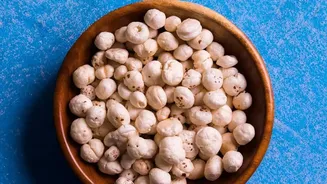
Makhana, also known as fox nuts or lotus seeds, are harvested from an aquatic plant and have been a staple in Indian cuisine for centuries, especially during fasts. Recently, they have exploded in popularity as a mainstream health snack. Their appeal
lies in their light, airy texture and their ability to be roasted and seasoned in countless ways. They are naturally low in fat and cholesterol, making them an attractive alternative to fried snacks. Additionally, makhana contains beneficial compounds like antioxidants, which help combat cellular stress in the body.
The Enduring Power of Nuts
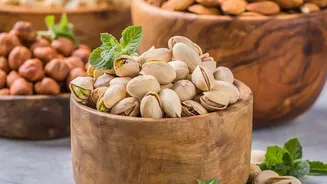
Nuts, on the other hand, have long been celebrated as a nutrient-dense food. Almonds, walnuts, and their counterparts are packed with healthy fats, protein, vitamins, and minerals. They are a go-to for sustained energy and have been linked to various health benefits, including improved heart health, by helping to lower bad cholesterol levels. While they are a traditional snack, their solid nutritional profile ensures they remain a top recommendation from health experts for a fulfilling and powerful bite.
The Nutritional Showdown
When you compare 100 grams of each, the differences become clear. Nuts like almonds and walnuts are protein powerhouses, offering roughly 15-21 grams of protein. Makhana provides a more modest 9.7 grams of protein. However, makhana shines in its fibre content, boasting around 14.5 grams, which is crucial for digestive health and feeling full. Almonds are also a good source of fiber, with about 12.5 grams. Nuts are rich in healthy monounsaturated and polyunsaturated fats, with almonds containing nearly 50 grams of fat and walnuts around 65 grams. Makhana is virtually fat-free, with only about 0.1 grams.
The Calorie Question
For those managing their weight, the calorie count is a major factor. This is where makhana has a distinct advantage. A 100-gram serving of makhana contains approximately 347 calories. In stark contrast, the same amount of almonds has around 579 calories, and walnuts have about 654 calories. This means you can enjoy a much larger, more voluminous bowl of makhana for significantly fewer calories, which can be satisfying for those who enjoy frequent munching. This low-calorie density makes makhana an excellent choice for guilt-free snacking.
Blood Sugar Impact
For individuals concerned about blood sugar, the glycemic index (GI) is an important metric. Makhana has a low GI, typically reported to be around 37, meaning it causes a slower, more gradual rise in blood sugar levels. This makes it a suitable snack for people with diabetes. Nuts, particularly almonds, have a minimal carbohydrate content and thus an even lower glycemic impact, which also makes them an excellent choice for managing blood sugar. The high fiber in both snacks helps slow down sugar absorption.
The Verdict: Which to Choose?
Ultimately, the choice between nuts and makhana depends entirely on your personal health goals. Neither is universally 'better'; they simply serve different purposes. If your priority is low-calorie, high-volume snacking for weight management, makhana is the clear winner. Its lightness and high fibre content will keep you feeling full without a significant caloric cost. If you're looking for a dense source of protein, healthy fats, and sustained energy, especially for pre- or post-workout fuel, a portion-controlled serving of nuts is the superior option. Nuts provide more satiety per gram and are packed with micronutrients like Vitamin E and magnesium.