
Why Mandu Is a Monsoon Dream
Perched in the Vindhya Range, Mandu transforms into a 'City of Joy' during the monsoon months from July to September. The searing summer heat gives way to pleasant temperatures, and the entire landscape erupts in vibrant green, washing the ancient stones
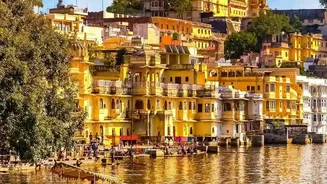
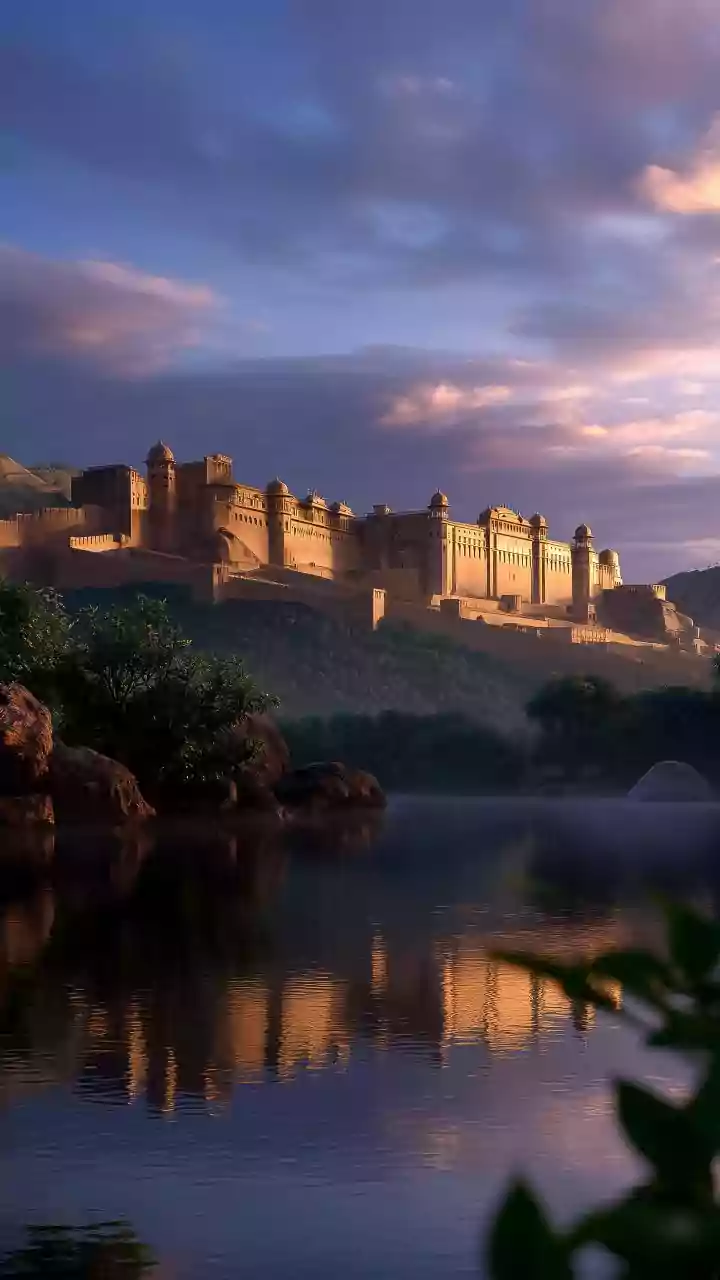
of its monuments clean. This is when the city’s many lakes and reservoirs fill up, creating breathtaking reflections of the palaces. It’s the season when Mughal emperors would retreat here, and you’ll quickly understand why. The atmosphere is quiet, the crowds are thinner, and hotel rates often dip, making it the perfect time for a budget-conscious traveller to visit.
Getting There on a Shoestring
The most economical way to reach Mandu is via Indore, which is well-connected by train and budget flights to major Indian cities. From Indore, located about 95-100 km away, your best bet is a state-run bus. These buses ply regularly from Sarwate Bus Stand in Indore, and a one-way ticket can cost as little as ₹100-₹150, with the journey taking about two to three hours. Taxis are also available but will be significantly more expensive. For the truly frugal, sharing a cab with fellow travellers from Indore can also be a viable option.
Affordable Stays with Local Charm
Mandu is blessed with several budget-friendly accommodation options that don’t skimp on location or charm. For reliable and clean lodging, the government-run MPT Malwa Resort and Malwa Retreat are excellent choices, offering rooms and even dorm beds at reasonable prices. You can also find a number of private budget hotels and guesthouses clustered near the main market or Sagar Talao lake, with prices starting from around ₹800-₹1200 per night. Many of these are family-run homestays offering a glimpse into local life and sometimes even home-cooked meals for a small extra charge. Booking directly or mid-week can sometimes yield better rates.
The Monsoon Palace Trail
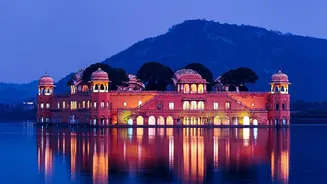
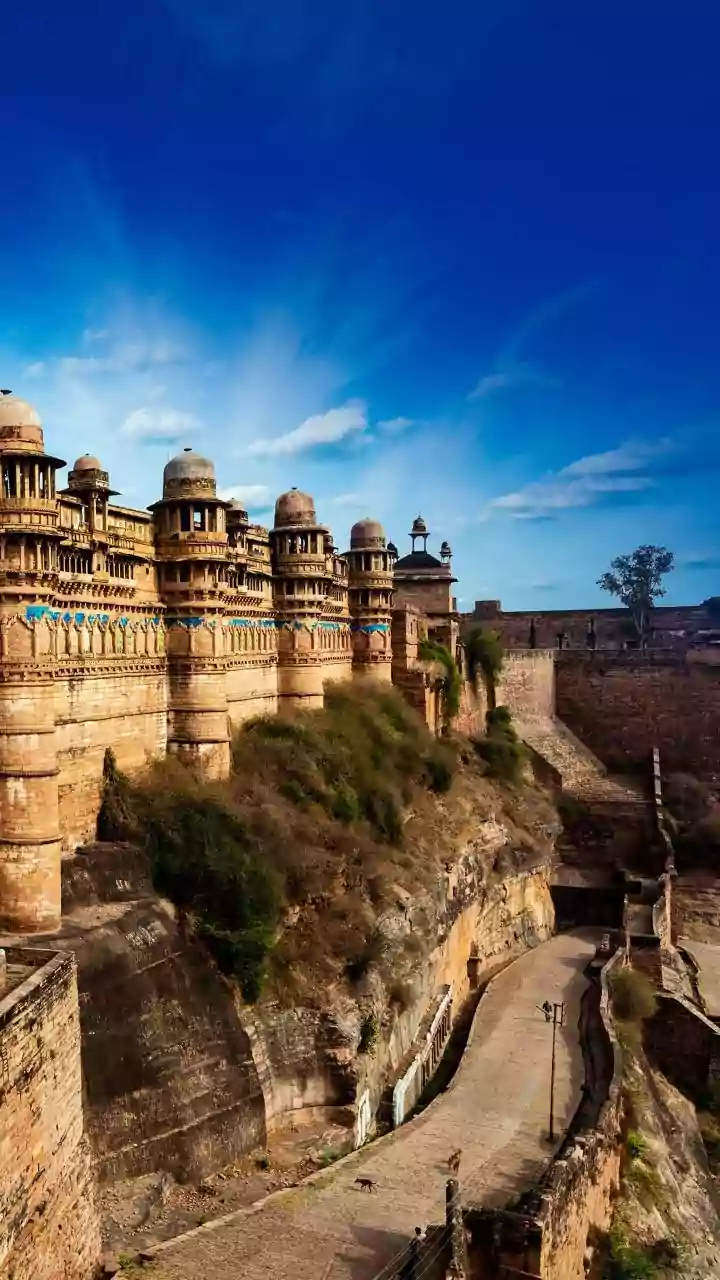
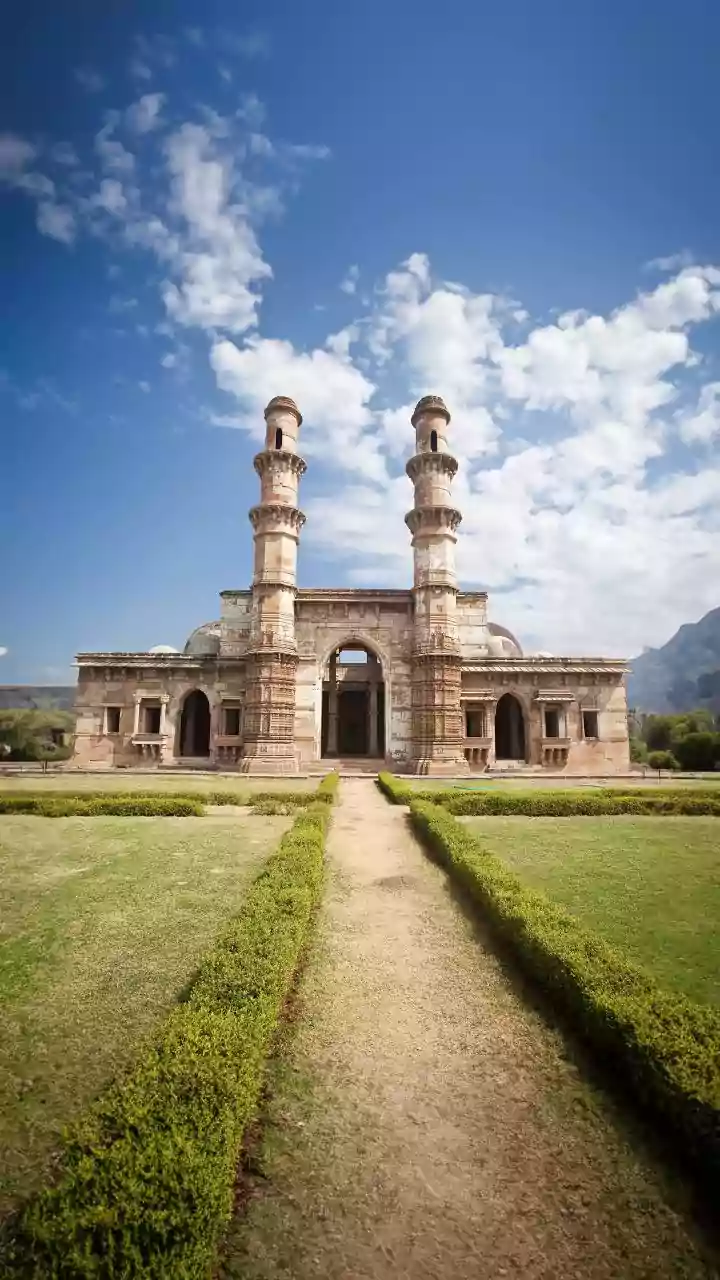
Mandu’s monuments are spread out, but the main attractions can be covered over a weekend. Start with the iconic Jahaz Mahal or 'Ship Palace'. True to its name, this 15th-century marvel is flanked by two artificial lakes, Munj and Kapur Talao, creating an illusion of a ship floating on water, a sight that's especially stunning when the lakes are full during the monsoon. Just nearby is the Hindola Mahal, or 'Swinging Palace', known for its distinctive sloping walls. The heart of Mandu's romance lies in the story of Sultan Baz Bahadur and Rani Roopmati. A visit to Baz Bahadur's Palace, a 16th-century structure with spacious courtyards, is a must. From there, make your way to Rani Roopmati's Pavilion, perched on a hilltop. Originally an army observation post, it offers breathtaking panoramic views of the Narmada river flowing far below in the plains, a sight the queen cherished. The walk up can be a little strenuous but is well worth the effort for the misty, magical views.
A Sample Budget Weekend Itinerary
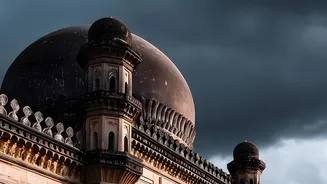
Day 1: Arrive in Mandu from Indore by afternoon and check into your guesthouse. After settling in, head straight to the Jahaz Mahal complex. Spend the evening exploring the Ship Palace and the adjacent Hindola Mahal as the sun sets. For dinner, find a local dhaba near the main market for an authentic and inexpensive meal. Day 2: Start your morning early with a trip to Rani Roopmati's Pavilion to catch the sunrise views over the Narmada valley. Afterwards, explore the nearby Baz Bahadur's Palace and Rewa Kund, the reservoir that supplied water to the queen's pavilion. In the afternoon, visit the grand Jami Masjid and Hoshang Shah's Tomb, a magnificent marble structure that is said to have inspired the Taj Mahal. Grab a late lunch before catching an afternoon bus back to Indore.