






Understanding the IMD's Latest Alerts
A deep depression that formed over the Bay of Bengal and moved inland is the primary driver behind this intense monsoon spell. As it travels west-northwest across eastern and central India, the IMD has issued a series of color-coded warnings. A 'Red Alert'
signifies a need for immediate action to prevent dangerous situations, flagging the potential for extremely heavy rainfall (over 204.5 mm). An 'Orange Alert' asks authorities and residents to be prepared for significant impacts from very heavy rain. A 'Yellow Alert' advises people to stay updated and aware of potential weather disturbances. These alerts are critical for understanding the severity of the expected conditions in your area.
Regions Under a Heavy Rainfall Watch
According to the latest IMD bulletins for July 29, several states are on high alert. Extremely heavy rainfall is expected in isolated places over Chhattisgarh, East Madhya Pradesh, and the Vidarbha region of Maharashtra. Heavy to very heavy rainfall is also very likely in parts of Haryana, Chandigarh, Delhi, Himachal Pradesh, Uttarakhand, Punjab, and West Madhya Pradesh. The warnings extend to Northeast India, including Nagaland, Manipur, Mizoram, and Tripura. In the south and east, Odisha, Jharkhand, and parts of Telangana have also been flagged for heavy showers. A red alert was issued for Delhi on July 28, and more rain is expected.
Navigating Difficult Travel Conditions
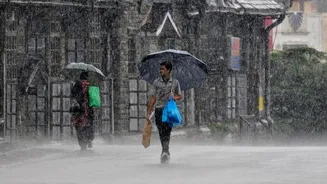
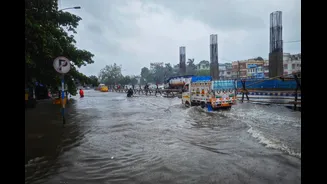
The IMD has explicitly flagged that travel will be challenging. The primary risks include waterlogging in low-lying urban areas, which can cause severe traffic snarls and damage to vehicles. In hilly regions, particularly in states like Himachal Pradesh and Uttarakhand, the risk of landslides and flash floods increases significantly, potentially blocking roads and isolating communities. Rail and air travel can also be affected, with potential delays or cancellations due to poor visibility and flooded tracks. Authorities strongly advise checking traffic conditions before setting out, avoiding waterlogged streets, and completely staying away from fast-flowing streams or overflowing rivers. It is wise to postpone non-essential travel in areas under a red or orange alert.
Essential Safety Measures for Residents
Even if you are not travelling, it is crucial to take precautions. The IMD's warnings include the possibility of uprooted trees and damage to vulnerable structures from strong winds and heavy rain. Ensure that your home is secure. Check for loose objects outside that could be blown away. Prepare an emergency kit with essentials like a flashlight, first aid supplies, food, and clean water in case of power outages or if you are unable to leave your home. Avoid touching electrical wires and stay away from flooded areas, as the risk of electrocution is high. It is also important to stay away from the sea, as conditions along the coasts of Odisha, West Bengal, and Andhra Pradesh are expected to be very rough.
How to Stay Updated and Informed
The situation can change rapidly. For the most accurate and timely information, rely on official sources. The IMD regularly updates its forecasts and warnings on its official website, mausam.imd.gov.in. You can also follow their official social media handles for real-time alerts. Many news channels and weather apps also provide district-wise warnings based on IMD data. Paying attention to these updates will help you make informed decisions to ensure your safety and that of your family during this period of intense monsoon activity across the country. Fishermen have been specifically advised not to venture into the northwest Bay of Bengal until conditions improve.