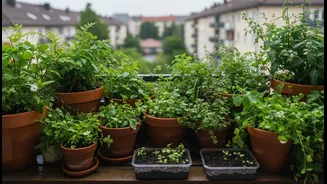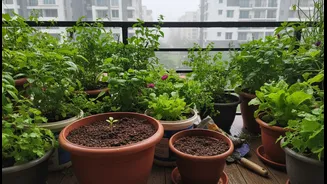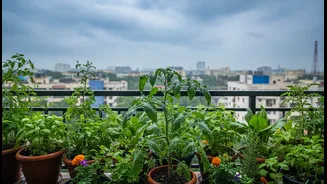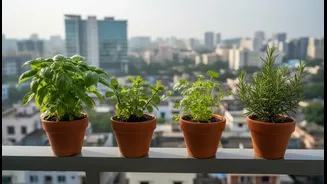



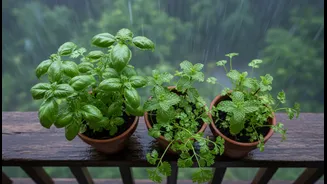


Choose Your Monsoon Champions
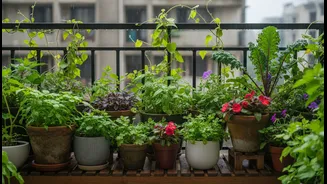
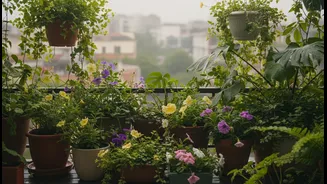
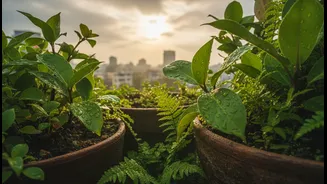
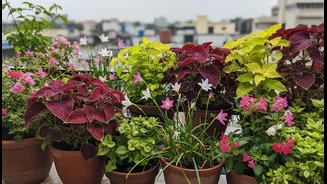
The key to a successful monsoon garden is selecting plants that thrive in high humidity and appreciate consistent moisture. For vibrant flowers, consider hibiscus, jasmine, and canna lily, which flourish during the rainy season. A true star of this period
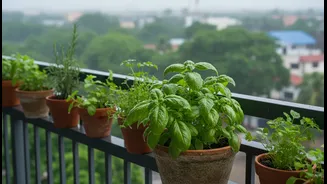
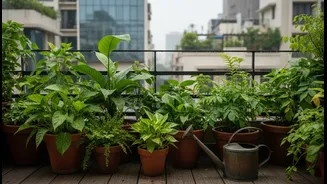
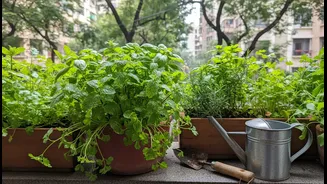
is the Rain Lily (Zephyranthes), which often blooms magically within days of the first heavy showers. If you're looking to grow your own food, this is the prime season for vegetables like okra (bhindi), gourds, and various beans. Herbs such as mint, basil, and coriander also do exceptionally well. Foliage plants like coleus, pothos (money plant), and ferns will add a touch of lush greenery, as they adore the humid conditions.
The Critical Role of Soil and Drainage
During the monsoon, the biggest enemy of potted plants is waterlogging. Standard garden soil is often too dense and can compact in pots, suffocating the roots. The solution is a well-draining potting mix. You can create your own by combining equal parts soil, compost (like vermicompost), and an aeration material such as cocopeat or perlite. This mixture ensures that while the soil retains enough moisture, any excess from heavy rains can easily drain away. Always use pots with drainage holes. To further prevent water from stagnating, consider elevating your pots on small stands or bricks, which keeps the drainage holes clear of any blockage.
Watering: A Delicate Balance
It may seem counterintuitive, but overwatering is a major risk during the monsoon. With daily rain and high humidity, the soil stays moist for much longer. Ditch your regular watering schedule and adopt a simple rule: check the soil first. Poke your finger about an inch into the topsoil. If it feels dry, you can water the plant. If it’s still moist, let it be. Plants in terracotta pots may dry out faster than those in plastic ones, as terracotta is porous and breathes. For plants placed directly in the rain, you may not need to water them manually at all. The goal is to harness the free rainwater without drowning your plants.
Guarding Against Pests and Diseases
The warm, wet conditions of the monsoon are a perfect breeding ground for fungal diseases and pests. Common issues include powdery mildew, leaf spot, and root rot. Prevention is your best strategy. Ensure good air circulation between your plants by not crowding them together. Pruning overgrown branches and removing any dead or yellowing leaves can also help improve airflow and reduce damp spots where fungi can thrive. Regularly inspect your plants, especially the undersides of leaves, for signs of pests like aphids or mealybugs. A simple, preventative spray of neem oil mixed with water every 10-15 days can be a highly effective organic solution to keep most of these problems at bay.
Light, Support, and Nutrition
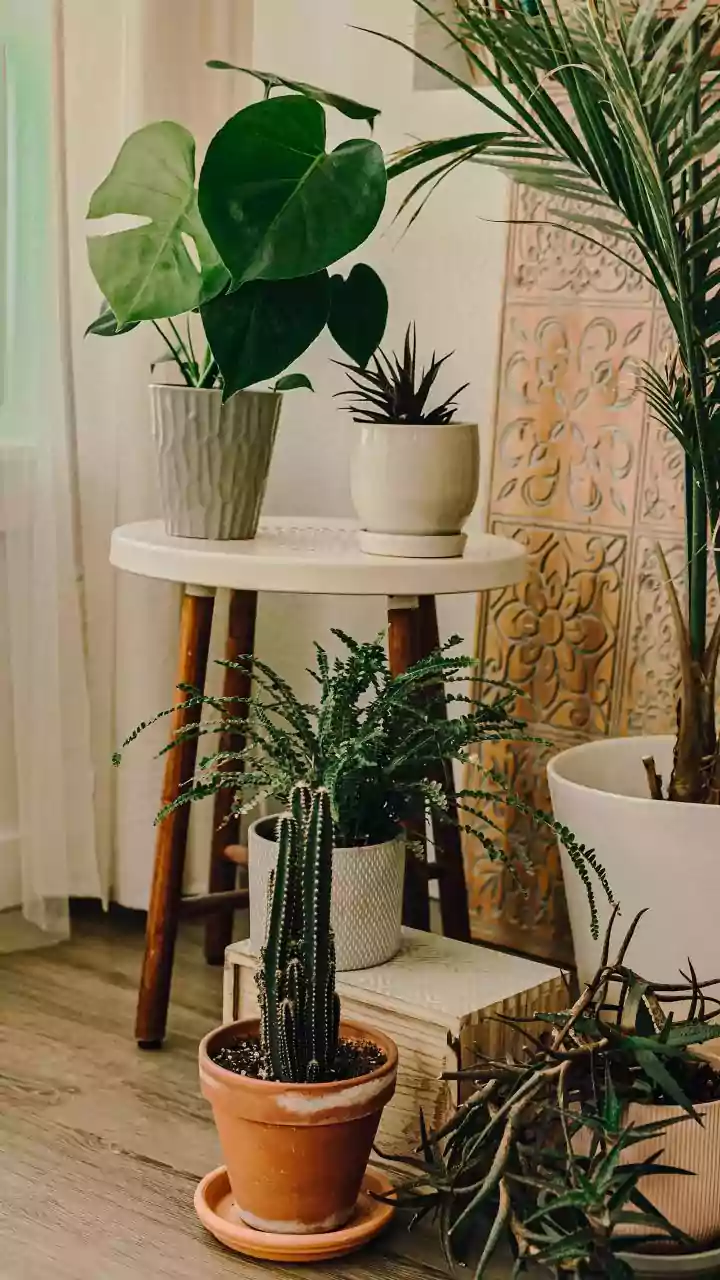
Cloudy days mean less direct sunlight, so it's important to place your plants where they can receive the maximum available light, such as a west or east-facing balcony. For indoor plants, move them closer to windows. The combination of rain and strong monsoon winds can damage delicate stems. Provide support to taller plants or climbers using stakes. Finally, heavy rain can wash away essential nutrients from the soil, a process known as leaching. You may notice leaves turning yellow, which can be a sign of nutrient deficiency. It's best to fertilize sparingly with a balanced, slow-release fertilizer or organic compost during dry spells, as applying it to already waterlogged soil can burn the roots.