






The New Digital Gatekeeper
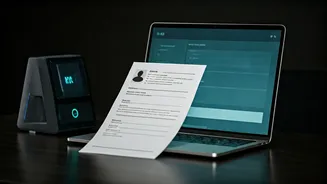
For decades, the first hurdle for any student in campus placements was getting their resume noticed in a towering pile. Today, that pile is digital, and the first person to see it is often not a person at all. AI-powered Applicant Tracking Systems (ATS)
are now the primary gatekeepers. These systems scan thousands of applications in seconds, using algorithms to screen for keywords, skills, and qualifications that match a specific job description. This has automated the most time-consuming part of recruitment, allowing companies to handle massive volumes of applicants with unprecedented efficiency. For students, this means the game has changed: a well-crafted resume is no longer just about looking good to the human eye, but also about being machine-readable and keyword-optimized.
Beyond the Resume
AI's role extends far beyond simple resume screening. Companies are now employing a sophisticated suite of tools to assess candidates. AI-driven video interviews ask candidates to record their answers to preset questions, after which algorithms can analyze their responses, speech patterns, and even facial expressions. Gamified assessments, like McKinsey's Solve, are used to test analytical and problem-solving skills in an interactive format. AI platforms can also conduct technical and coding assessments, providing an objective measure of a student's practical abilities, irrespective of their college's tier. This shift moves the focus from degrees and grades towards demonstrable, hands-on skills.
A Double-Edged Sword for Students
This technological shift presents both opportunities and challenges for aspiring graduates. On the one hand, AI can level the playing field. By focusing on skills over college pedigree, it offers talented students from Tier-2 and Tier-3 colleges greater visibility. The process is also faster and more transparent, with AI chatbots providing real-time application status updates. However, the lack of human interaction can be jarring, and the pressure to perform for an algorithm adds a new layer of anxiety. There are also concerns about inherent biases in AI algorithms, which could potentially filter out unconventional yet highly capable candidates if not monitored carefully. The rise of AI means competition is no longer limited to one's own campus; students are now competing in a national talent pool.
Why Companies Are All-In
From a corporate perspective, the benefits are clear and compelling. AI drastically reduces the time and cost associated with campus hiring. Automation of repetitive tasks frees up HR professionals to focus on more strategic activities, such as building relationships with top candidates and assessing cultural fit. Predictive analytics, powered by AI, help companies identify candidates who are most likely to succeed in a role based on past hiring data, improving the quality of hire. In a competitive market, AI also helps companies strengthen their employer brand by providing a seamless, responsive, and personalized candidate experience.
Adapting to the New Rules
For students navigating this new landscape, adaptation is key. It starts with creating an AI-friendly resume, using relevant keywords from the job description. Preparing for AI-driven interviews is also crucial. Practicing with AI-powered mock interview platforms can help students get comfortable talking to a screen and structuring their answers effectively using methods like STAR (Situation, Task, Action, Result). Ultimately, it's about showcasing skills that AI can't easily replicate: creativity, critical thinking, and the ability to build human relationships. Many Indian higher education institutions are now integrating AI tools into their placement preparation to help students get ready for this new reality.