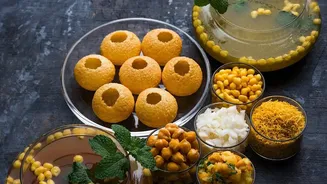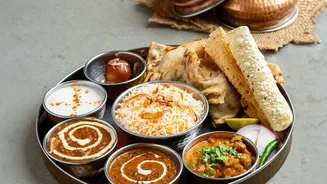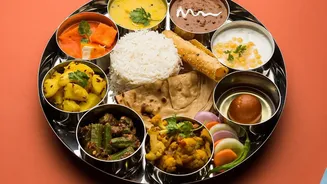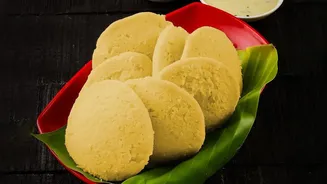






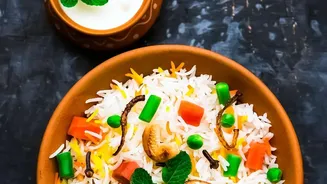
There is a special magic to Indian street food. The sizzle of a hot tawa, the burst of spicy and tangy flavours, and the vibrant chaos of it all is a core memory for many. But a growing trend is seeing these experiences move from the street to the home.
A Direct Line to Nostalgia
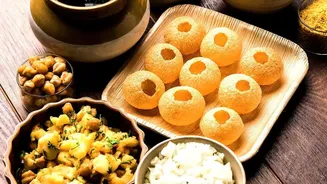
For many, the taste and smell of a specific street snack is a powerful trigger for nostalgia. That plate of pani puri or pav bhaji is rarely just about the food itself; it's a shortcut to a memory. It could be a reminder of college days, post-shopping treats with family, or the simple joy of a childhood indulgence. Psychology explains that food is intricately linked to our autobiographical memories, and comfort foods can activate feelings of safety, connection, and belonging. When we recreate these dishes in our own kitchens, we are not just cooking; we are tapping into a reservoir of positive emotions and bringing a tangible piece of our personal history into our present.
The Comfort of Control and Hygiene
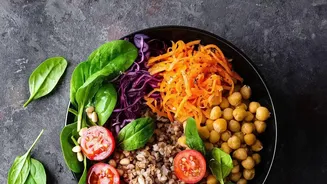
While the allure of street food is undeniable, concerns about hygiene can sometimes temper the enjoyment. Negative stereotypes about the cleanliness of street food vendors persist, sometimes amplified online. Preparing these snacks at home offers a simple solution, placing control squarely in the hands of the home cook. This means choosing fresh, high-quality ingredients, ensuring clean preparation methods, and using less oil or preservatives. Home cooking allows for customisation to meet specific dietary needs, making it a healthier way to indulge. This is particularly relevant as people become more health-conscious, seeking nutritious yet delicious food options.
Modern Twists on Timeless Classics
Bringing street food home doesn't mean a slavish devotion to the original recipe. In fact, it opens the door to endless innovation. Home cooks are getting creative, making healthier versions of traditionally deep-fried snacks by using air fryers or pan-frying. Ingredients are swapped to boost nutritional value, such as making pav bhaji with sprouts and tofu or using whole-grain flours. Online trends showcase hacks like using crackers for a quick papdi chaat or air-frying roti pieces to create golgappa puris, making the process faster and more accessible for busy households. This blend of tradition and modernity allows families to enjoy their favourite flavours in a way that aligns with contemporary lifestyles and wellness goals.
A Bridge Between Generations
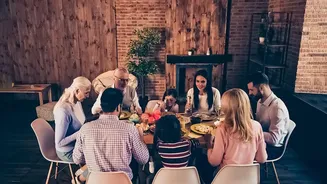
The act of cooking together can be a powerful bonding experience. Preparing street food at home often becomes a family affair, a time to gather in the kitchen and share stories. Elders can pass down traditional recipes and techniques, while younger members can introduce new, healthier twists. This shared activity does more than just produce a meal; it creates new memories and strengthens family ties. It transforms food from mere sustenance into a cultural inheritance, a way of keeping traditions alive and relevant for the next generation. This social component is a huge part of what makes street food culture so special, and it finds a new, more intimate expression within the home.