




From Global Fads to Local Roots
There was a time when stocking a pantry with exotic, imported ingredients was a sign of sophistication. Urban Indians, influenced by global trends, embraced everything from Italian pasta to Californian almonds. While these foods have their place, a powerful
counter-movement is gaining momentum. It’s a culinary homecoming, a collective realisation that the answers to many of our modern health and environmental woes might lie in the wisdom our grandmothers possessed all along. This shift isn't just about nostalgia; it's a conscious, informed choice. It's about questioning the carbon footprint of an avocado flown halfway across the world and rediscovering the potent, nutrient-dense foods that have sustained generations on this subcontinent.
The Mighty Millet Mission
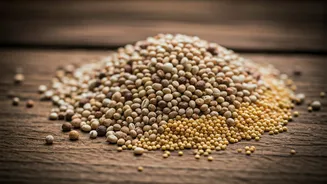
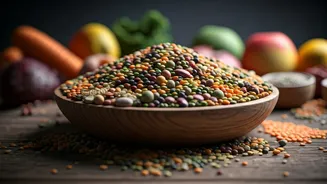
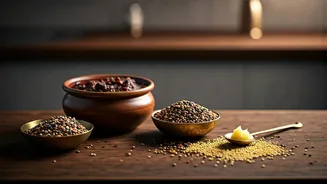
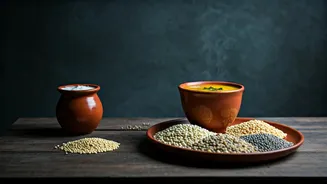
At the forefront of this revolution are millets. Once dismissed as 'coarse grains' or food for rural and economically weaker sections, these ancient staples are now being celebrated as superfoods. Grains like jowar (sorghum), bajra (pearl millet), ragi (finger millet), and a host of smaller millets are making a grand comeback on urban dining tables, in hipster cafes, and even in gourmet restaurants. The United Nations declaring 2023 the 'International Year of Millets' at India's behest was a major catalyst. Not only are millets gluten-free and packed with protein, fibre, and micronutrients, but they are also a farmer's best friend. These 'climate-smart' crops require far less water than rice and wheat, are resilient to drought, and can thrive in poor soil, making them a sustainable choice for India's diverse agro-climatic zones.
Beyond the Grains
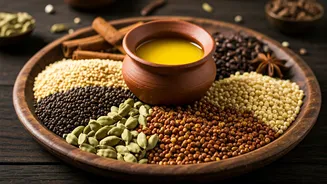
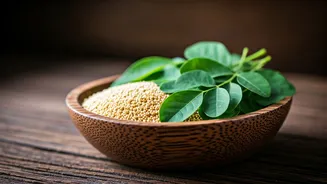
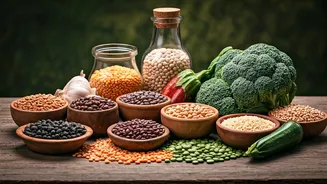
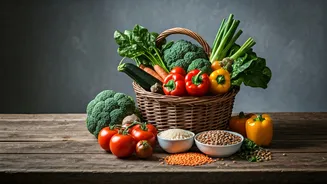
The focus on native eating extends far beyond millets. It’s about appreciating the entire ecosystem of indigenous produce. Think of moringa (drumstick leaves), once a simple backyard plant, now hailed globally for its incredible nutritional profile. Or consider the humble jackfruit, being transformed from a local delicacy into a sought-after vegan meat substitute. The movement encourages consuming seasonal vegetables, local greens that change with the region and the weather, and traditional fats like ghee and cold-pressed coconut oil, which are being rehabilitated after decades of being unfairly maligned. Nutritionists like Rujuta Diwekar have championed this philosophy for years, advising people to eat local, seasonal, and traditional foods that are culturally aligned with their bodies.
A Renaissance in the Kitchen
This trend is also fueling a cultural renaissance. Chefs across the country are turning into culinary archaeologists, digging up forgotten recipes and reintroducing regional ingredients that were on the verge of disappearing. They are moving away from the generic, homogenized 'Indian food' of butter chicken and naan to showcase the incredible diversity of the nation's cuisine. From the tribal foods of the Northeast to the foraged greens of the Himalayas, these chefs are proving that traditional Indian food is anything but boring. This has a trickle-down effect, encouraging home cooks to experiment with local ingredients and reconnect with their own culinary heritage. Food, in this context, becomes more than sustenance; it becomes a story, a connection to one's roots, and an expression of identity.
The Triple Bottom Line
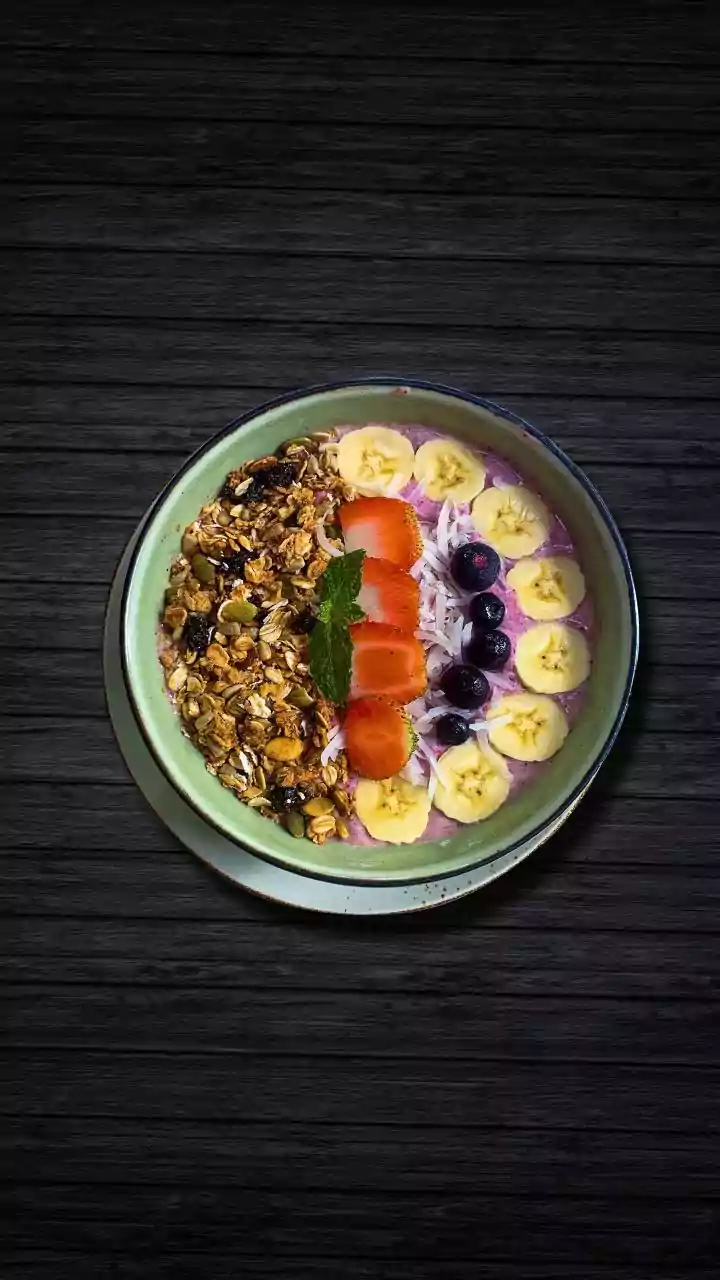
Ultimately, the shift towards native eating is a powerful trifecta of benefits. For individuals, it promises better health, aligning our diets with foods our bodies are genetically and culturally adapted to. For the economy, it means supporting local farmers and creating a more resilient and self-sufficient food system, aligning perfectly with national initiatives like 'Vocal for Local'. For the planet, it’s a step towards greater sustainability, promoting biodiversity and reducing our reliance on water-guzzling, resource-intensive crops. By choosing a bowl of ragi porridge over imported oats, an Indian consumer is making a choice that benefits their health, their community, and the environment.