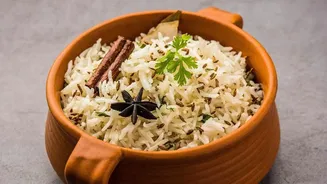






Walk into many South Indian kitchens, and you'll be greeted by a singular, mouth-watering aroma: the tangy, spicy, and deeply comforting scent of Tamarind Rice. This beloved dish is more than just a meal; it's a staple at festivals and temples.
What Exactly Is Tamarind Rice?
Tamarind
Rice is a traditional South Indian rice preparation known for its distinct tangy and savoury flavour profile. Depending on the region, you'll hear it called 'Puliyogare' in Karnataka, 'Pulihora' in Andhra Pradesh and Telangana, or 'Puliyodarai' in Tamil Nadu. The word 'Puli' itself means 'sour' or 'tangy' in several South Indian languages, a direct nod to its star ingredient. At its core, the dish involves mixing pre-cooked rice with a special tamarind-based paste or sauce, creating a meal that perfectly balances sour, spicy, and savoury notes. It’s a dish with a long history, with some records tracing recipes back to temple inscriptions from 1010 CE.
The Tangy Soul: Tamarind
You can't have Tamarind Rice without tamarind. This fruit, which grows in pods on the Tamarindus indica tree, provides the dish's signature sourness. While originally from Africa, tamarind has been cultivated and used in India for thousands of years. For this recipe, the pulp of the tamarind fruit is typically soaked in hot water and then squeezed to create a thick, concentrated extract. This extract forms the base of a sauce, often called 'gojju' or 'pulikachal', which is then simmered with spices. The resulting flavour is intensely tangy with a subtle sweetness, a complex base that makes the dish so unique.
The Earthy Anchor: Cumin
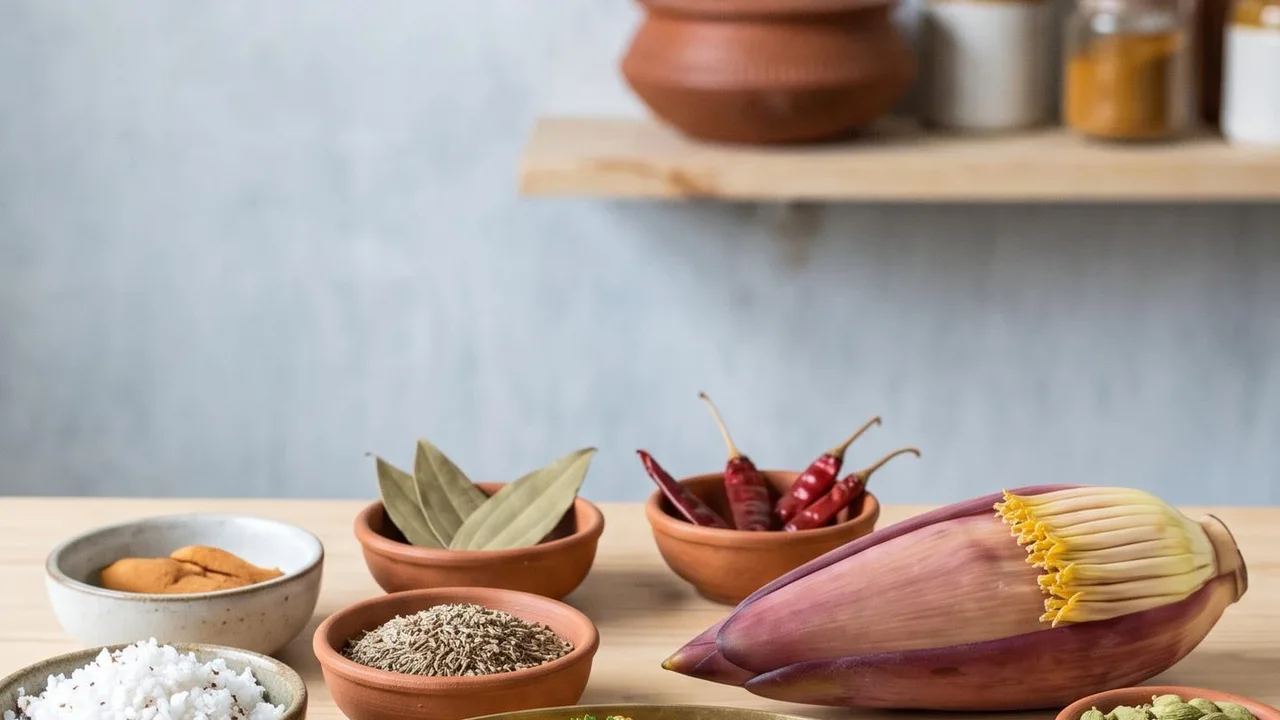
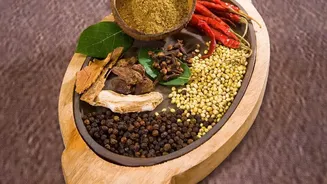
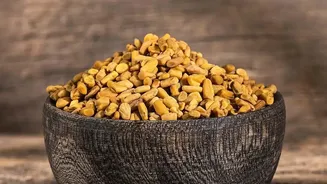
If tamarind provides the high notes, cumin, or 'jeera', brings the grounding, earthy bassline. Cumin is one of the most foundational spices in Indian cooking, prized for its warm, nutty, and slightly peppery flavour. In the context of Tamarind Rice, cumin is often part of a larger spice powder ('podi') that is roasted and ground. This powder typically includes other ingredients like coriander seeds, fenugreek seeds, sesame seeds, and dried red chillies. Cumin's warmth helps to balance the sharp tang of the tamarind, preventing it from becoming overwhelmingly sour and adding a layer of aromatic depth that rounds out the entire dish.
The Symphony of Other Ingredients
While cumin and tamarind are the headliners, a host of other ingredients play crucial supporting roles. The 'tadka', or tempering, is essential. Hot oil is infused with mustard seeds until they pop, followed by lentils like chana dal and urad dal, which add a nutty flavour and a delightful crunch. Peanuts are another common addition for texture. Curry leaves and asafoetida (hing) are fried in the oil to release their unique, pungent aromas, which are fundamental to South Indian cuisine. Jaggery, an unrefined sugar, is often added to the tamarind paste to balance the sourness with a touch of sweetness, while turmeric gives the rice its beautiful golden-yellow hue.
A Dish for Feasts and Travel
Tamarind Rice holds a special place in South Indian culture. It is a fixture at festive occasions and religious ceremonies, and is famously served as 'prasadam' (a blessed food offering) in many temples. Its popularity stems not only from its incredible flavour but also its practicality. The tamarind acts as a natural preservative, giving the dish a long shelf life without refrigeration. This makes it an ideal food for travel, picnics, and lunchboxes, as its flavours often deepen and improve over several hours. Whether enjoyed warm or at room temperature, it remains a satisfying and convenient meal.