



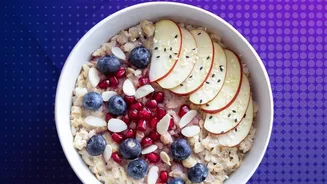
The Great Breakfast Swap
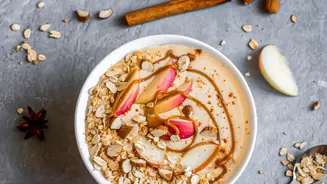
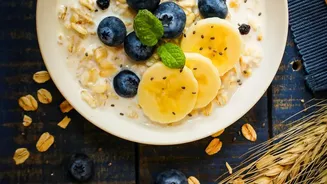
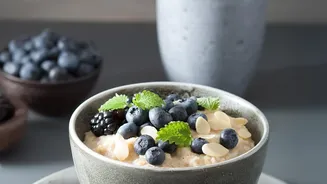
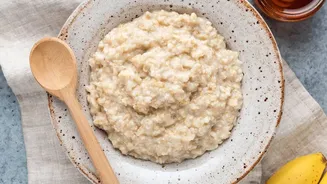
Walk into any health-conscious household or trendy cafe in urban India, and you're likely to notice a quiet revolution simmering on the stovetop. The once-dominant sweet porridge, a breakfast staple borrowed from the West, is increasingly being pushed
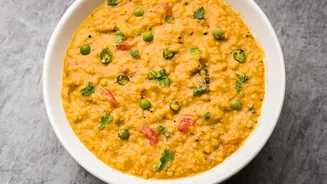
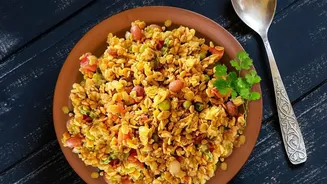
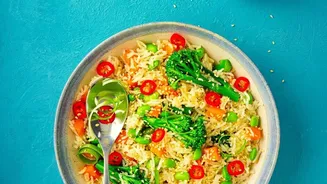
aside by a desi-fied counterpart. We’re talking about masala oats, vegetable oats, and other savoury preparations that look and taste more like upma or khichdi than a traditional breakfast bowl. This shift isn't just a fleeting food trend; it represents a fundamental change in how urban Indians, particularly those in the fitness community, are approaching their first meal of the day. They're ditching the sugar-laden bowls for something that feels both nutritionally superior and culturally more familiar.
The War on Morning Sugar
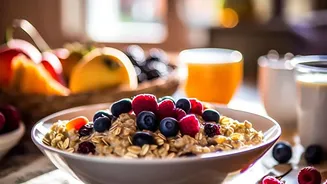
The primary driver behind this breakfast migration is the growing awareness of sugar's negative health effects. Nutrition experts have long warned that starting the day with a sugary meal can lead to a blood sugar spike and a subsequent crash, leaving you feeling tired and craving more unhealthy foods just a few hours later. Many pre-packaged 'healthy' breakfast options, including flavoured instant oats, are often loaded with hidden sugars that negate their benefits. Fitness enthusiasts, who are keenly focused on stable energy levels and effective weight management, have been the first to act on this knowledge. By switching to savoury oats, they eliminate added sugars from honey, maple syrup, and even excessive fruit, opting for a meal that provides sustained energy.
A Natural Fit for the Indian Palate
Beyond the health benefits, the move to savoury oats is a homecoming of flavour. Most traditional Indian breakfasts—from poha and upma to chilla and dhokla—are savoury. Spiced oats, often cooked with mustard seeds, curry leaves, turmeric, and cumin, resonate with this national taste profile. It’s a modern fusion of a Western health food with classic Indian masala traditions. This makes the transition feel less like a dietary restriction and more like a natural evolution. Rather than forcing a foreign sweet taste into the morning routine, people are adapting oats to fit the flavour matrix they already know and love, making it a far more sustainable habit.
Building a More Balanced Bowl
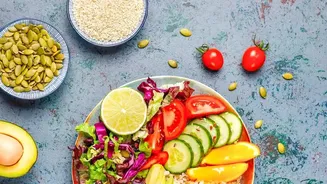
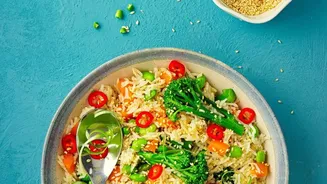
Savoury oats are not just plain oats with salt; they are a vehicle for a truly balanced meal. Unlike their sweet counterparts, which are often just carbs and sugar, savoury bowls are frequently loaded with vegetables like carrots, peas, and spinach, boosting their nutrient content. More importantly, they offer a perfect canvas for adding protein—a crucial macronutrient for satiety and muscle repair that is often lacking in sweet oatmeal. People are adding everything from boiled eggs and paneer to lentils (dal) and sprouts to their savoury oats. This transforms the simple grain bowl into a complete meal, rich in fibre, protein, and healthy fats, which keeps you fuller for longer and supports metabolic health.
The Nutritionist's Verdict
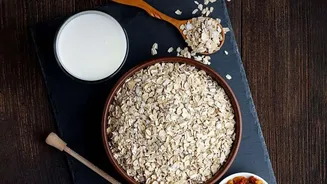
Health professionals largely endorse this shift. The foundation of the trend, oats themselves, are a nutritional powerhouse, packed with a special type of soluble fibre called beta-glucan. This fibre is celebrated for its ability to help lower cholesterol, improve blood sugar control, and promote gut health. When you prepare oats the savoury way, you retain all these benefits while creating a more balanced macronutrient profile. Nutritionists point out that a breakfast high in protein and fibre is key to managing hunger and preventing overeating later in the day. By choosing rolled or steel-cut oats over instant varieties and loading them with vegetables and protein, individuals are creating a low-glycemic meal that supports long-term health and fitness goals.