







Convenience Is the New Main Course
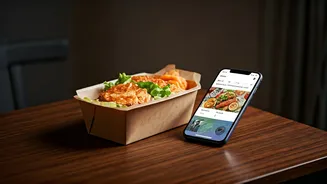
Not long ago, ordering in was a weekend treat or a feature of special occasions. Today, it has become a daily routine for millions. Driven by busy schedules, rising disposable incomes, and the sheer ease of a few taps, app-based ordering is replacing
home-cooked meals at an unprecedented rate. Studies indicate that for a majority of urban users, the frequency of cooking at home has seen a noticeable drop. This shift from planned meals to on-demand eating is most prominent among millennials and Gen Z, with over 60% of them ordering food online at least once a week. The behaviour extends beyond mealtimes, with late-night orders growing three times faster than dinner orders, turning midnight cravings for pizzas and cakes into a mainstream habit. This culture of instant gratification means the question is no longer 'What should we cook?' but 'What can we get in 30 minutes?'.
The Algorithm as Your Personal Chef
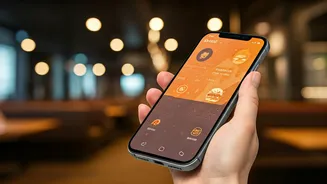
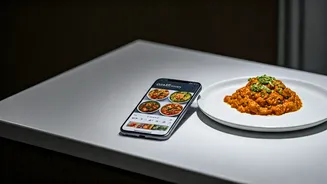
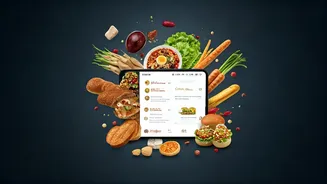
The choices we make on these apps often feel like our own, but they are heavily guided. Platforms use sophisticated design and psychology to influence what we order. High-quality, tempting food photography is designed to trigger appetite. Sections like "Customer Favourite" or "Most Ordered" leverage social proof, reassuring you that you're making a popular choice. Personalisation, such as the "Order Again" button, reduces the mental effort of decision-making, encouraging you to stick with familiar options. While these features enhance convenience, they also shape our tastes. Research shows that food ordered via apps is often higher in calories, salt, and unhealthy fats. Though there's a rising interest in healthier options, comfort foods still reign supreme. Biryani remains the most ordered dish in India by a massive margin, followed by staples like pizza and burgers, highlighting how platforms amplify demand for already popular items.
The Rise of the Virtual Restaurant
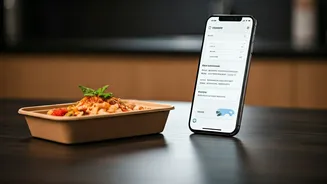
This app-driven ecosystem has birthed an entirely new business model: the cloud kitchen. Also known as ghost or virtual kitchens, these are delivery-only establishments with no physical storefront or dining area. By shedding the high costs of rent and front-of-house staff, entrepreneurs can launch a food business with significantly lower investment. This has led to an explosion of brands that exist only on your phone screen. India's cloud kitchen market is already worth over a billion dollars and continues to expand rapidly, even into Tier-2 and Tier-3 cities. These kitchens are incredibly agile, capable of testing new dishes, launching experimental menus, and adapting to trends much faster than traditional restaurants. While they offer consumers more variety, they also present challenges in terms of brand trust and quality control, as customers have no physical space to visit or verify.
Reshaping the City's Food Map
The dominance of food delivery has created a new reality for traditional dine-in restaurants. Many have adapted by partnering with aggregators like Zomato and Swiggy, which have become vital for their survival and success. However, this dependence comes at a cost, with restaurants often citing high commission fees and intense price competition as major challenges. Some establishments struggle to compete with the lower overheads of cloud kitchens and the discount-driven environment of the apps. The very social fabric of eating is also changing. Dining out was once a primary form of socialising, but the ease of ordering in has shifted this behaviour, with many people now choosing to eat alone at home. This transition marks a fundamental change not just in business, but in how we connect with each other over food.