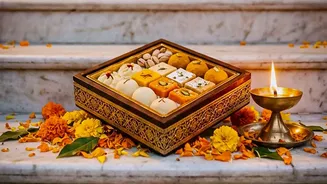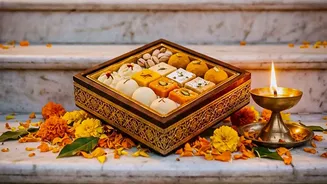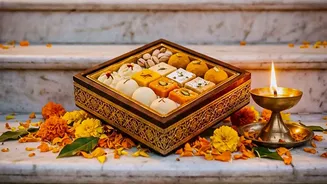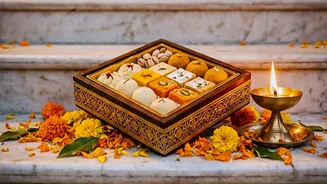


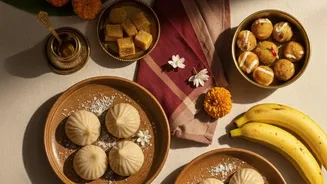

The Great Indian Sweet Dilemma
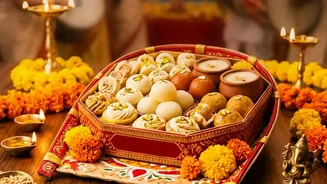
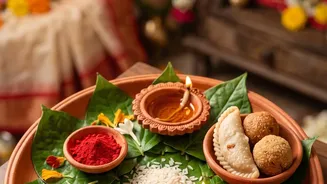
Diwali is synonymous with sharing sweets; it's a language of love, respect, and celebration. Yet, with a rising focus on health and wellness, the annual mithai marathon has become a source of conflict. A 2020 survey revealed that 63% of people grapple
with guilt over what they eat and drink during the holiday season. The core of the issue lies in a phenomenon called 'diet culture', which assigns moral value to food. This belief system labels certain foods 'good' and others 'bad', turning a joyful indulgence into a test of self-control. The result is a cycle of restriction and guilt, which ironically, can lead to more overeating.
Food is Not a Moral Test
Experts increasingly advise rejecting the idea that festive foods must be 'earned' or 'worked off'. Framing food as a reward or a sin creates a stressful relationship with eating. Instead, nutritionists advocate for mindful indulgence. This practice involves being fully present while eating, savouring each bite, and listening to your body's hunger and fullness cues. The goal is to shift the focus from calorie counting to the joy of the occasion. As one nutritionist explains, your overall eating habits throughout the year matter far more than a single celebratory meal. The consensus is clear: drop the food rules and the guilt. One sweet treat doesn't derail your health goals, just as one salad doesn't instantly make you fit.
The Rise of Guilt-Free Mithai
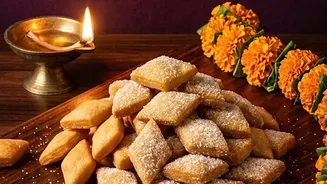
The sweets market has responded to this cultural shift. The Diwali 2026 season saw a significant rise in 'healthier' mithai options that don't compromise on festive flavour. These are not about being sugar-free but about using better ingredients. Popular choices included ladoos and barfis sweetened with dates, figs, and jaggery instead of refined sugar. Many sweets now feature nutrient-dense ingredients like millets (ragi, bajra), nuts, and seeds, which add fibre and healthy fats. Baked versions of traditionally fried snacks like gujiyas and baked shakarpara also gained popularity, offering a lighter alternative. Even portion sizes are being rethought, with brands offering mini-ladoos and two-bite barfis.
A Guide to Mindful Mithai Munching
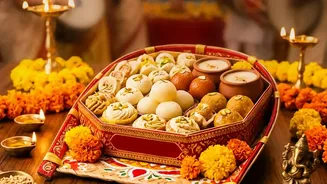
Navigating a platter of sweets can be simple and guilt-free with a few strategies. Nutritionists suggest choosing one or two treats you genuinely love rather than sampling everything. Eating slowly allows you to savour the taste and helps your brain register when you are full. Another key tip is to never approach sweets on an empty stomach; this can lead to overeating and blood sugar spikes. Having a small, protein_rich snack before a party can curb intense hunger. When faced with a box of assorted mithai, pairing your sweet with nuts can slow sugar absorption. And remember to stay hydrated, as thirst is often mistaken for hunger.
Beyond the Sweet Box
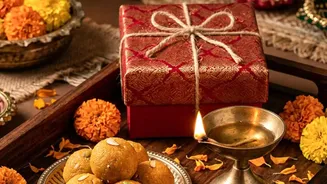
While mithai is central to Diwali, the trend towards mindful celebration also involves expanding the definition of festive sharing. Corporate and personal gifting in 2026 saw a rise in premium dry fruit assortments and mixed hampers that combine traditional sweets with nuts and other healthier options. This reflects a growing understanding that guests have varied dietary needs and preferences. Ultimately, the focus of the festival is connection. Instead of letting food become a source of anxiety, the shift is towards appreciating the shared moments. Focusing on the conversation, the laughter, and the company reinforces that the joy of Diwali comes from being together, not just from what's on the plate.