





An Artery on the Brink of Collapse
For hundreds of thousands of commuters and businesses, the Mumbai-Pune Expressway is the primary economic artery connecting Maharashtra’s two most important cities. Yet, this critical route is chronically ill. The monsoon season routinely turns the journey
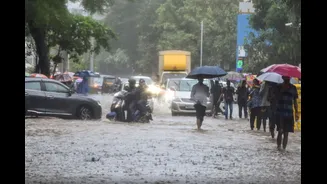
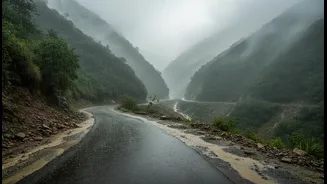
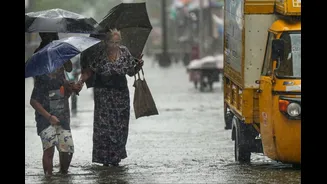
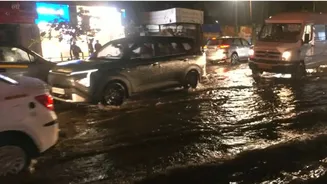
into a nightmare of landslides and waterlogging. Just this week, heavy rains triggered landslides that shut down both the Expressway and the old highway, severing the connection between the cities for hours and stranding countless travellers. Even a flagship infrastructure solution, the newly inaugurated 'Missing Link' project, failed its first major monsoon test, with a landslide forcing its closure shortly after opening. Beyond the seasonal disruptions, the route is plagued by frequent accidents, endless traffic jams caused by vehicle breakdowns, and bottlenecks that stretch for kilometres, sometimes for over 24 hours. This isn't a series of isolated incidents; it's a predictable pattern of failure.
The Steep Price of Inaction
The chaos on the Expressway carries a significant cost that transcends frustration. Economically, every hour spent in traffic is an hour of lost productivity. Goods fail to reach markets on time, fuel is wasted, and the overall cost of logistics rises, impacting everything from manufacturing to agriculture. Socially, the toll is even more severe. The route has a notorious reputation for accidents, and the constant stress and unpredictability of the journey affect the well-being of daily commuters and families. The failure of new projects to withstand predictable weather events not only wastes enormous sums of public money but also erodes public trust in the authorities' ability to deliver robust and reliable infrastructure. Advisories urging people to simply avoid travel between two of the nation's most dynamic cities are not a solution; they are an admission of defeat.
Why Patchwork Solutions Are Not Enough
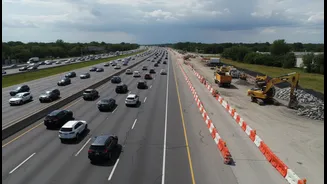
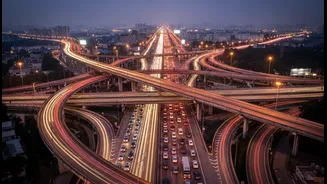
For years, the response to the growing crisis has been reactive and fragmented. Authorities announce new lanes, but they fill up as soon as they are built. A bypass is constructed to ease congestion in one section, but it falters under the first sign of stress. These are patchwork solutions applied to a systemic problem. The core issue is that traffic volume has long outstripped the corridor's capacity. With vehicle numbers growing by 5-6% annually, simply adding more asphalt is a losing game. What has been missing is a holistic, long-term vision that treats the entire Mumbai-Pune corridor—including road and rail—as a single, integrated transport system. Without this, we are merely applying bandages to a wound that requires major surgery.
The Case for Calm, Integrated Replanning
It is time to stop lurching from one crisis to the next and embrace a calmer, more comprehensive approach. First, we must shift the focus from solely moving cars to moving people and goods efficiently. This means aggressively upgrading and integrating the rail network between the two cities. A high-frequency, reliable train service could significantly reduce the number of vehicles on the road. Second, technology must be at the heart of the solution. An Intelligent Traffic Management System (ITMS) is not a luxury but a necessity for providing real-time traffic updates, managing flow during incidents, and improving overall safety. Third, future planning must be rigorously climate-proofed. Building infrastructure in the ecologically sensitive Sahyadri terrain requires state-of-the-art engineering that anticipates extreme weather, rather than reacting to it. Finally, a single, empowered authority should be responsible for the entire corridor, breaking down the silos between different agencies.