






The Global Indian Palate
The foundation for this trend is a fundamental shift in the Indian consumer. Thanks to globalisation, travel, and a constant stream of international media, the urban Indian palate has become more adventurous. A study found that a significant majority
of urban Indians are open to trying foods from different cultures. Younger demographics, particularly Millennials and Gen Z, are driving this change, seeking new and unique dining experiences over traditional ones. They are not just eating; they are exploring. This curiosity creates a fertile ground for cafes to innovate, knowing there is an audience willing to try something new. The fusion dish is no longer a risky gamble but a response to genuine market demand for novelty.
Crafting an Instagrammable Hit
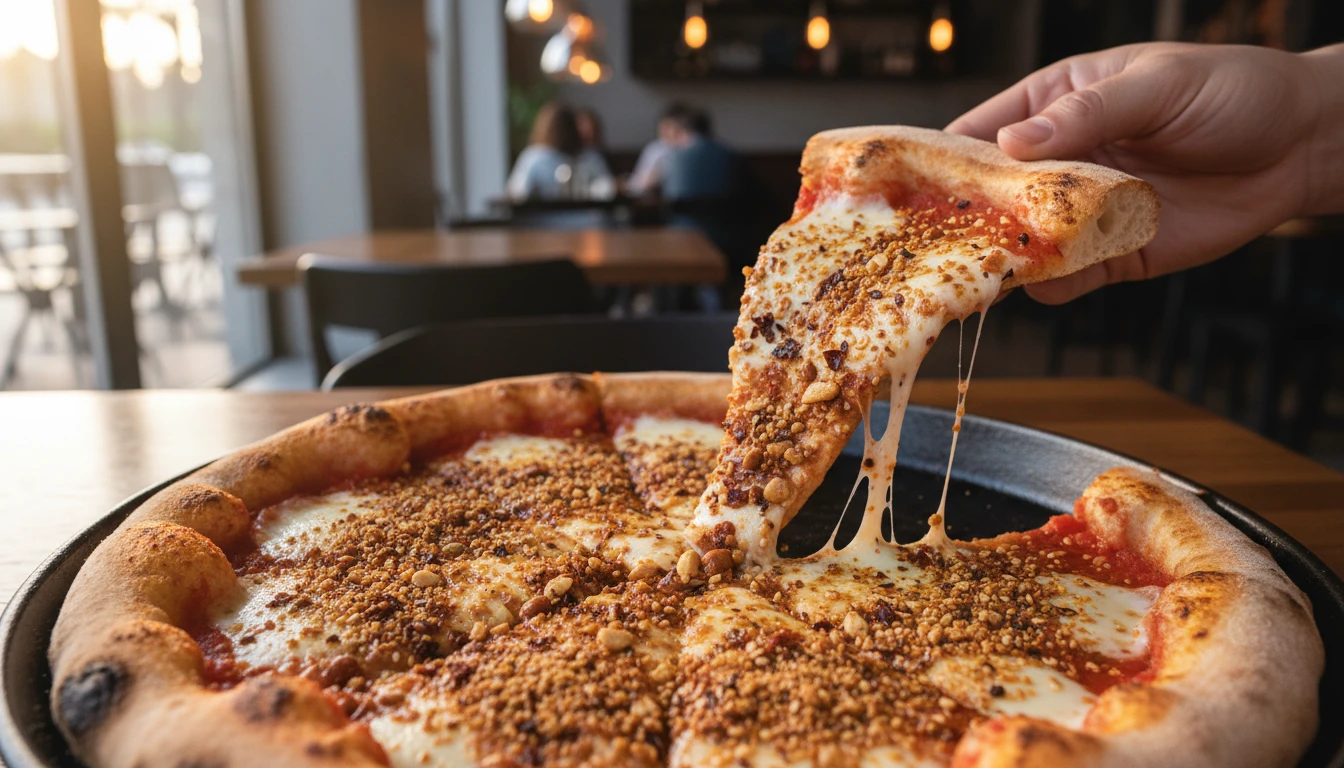
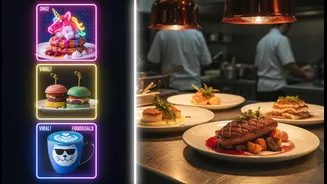
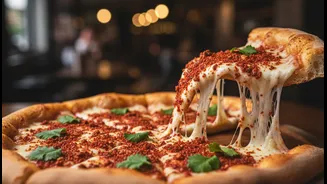
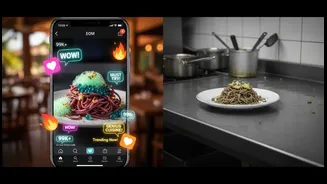
In the digital age, a dish has to please the camera as much as the palate. Cross-cultural dishes are often visually striking and unique, making them perfect for social media. A butter chicken pizza or a gulab jamun cheesecake is inherently shareable, generating organic marketing and buzz that traditional menus might struggle to achieve. Cafes are increasingly designing menus with this 'Instagram effect' in mind. The visual appeal drives footfall from experience-seeking customers who want to taste the dish they saw trending online. This creates a powerful, self-sustaining marketing cycle where the food itself becomes the primary advertisement, transforming diners into brand ambassadors.
The Economics of Fusion
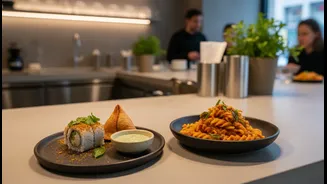
From a business perspective, fusion food is a masterclass in value creation. These novel dishes often command premium prices. While the input costs might not be significantly higher, the perceived value of innovation, creativity, and a unique experience allows for better margins. A 'masala pasta' can be priced higher than its traditional Italian counterpart because it offers something new. Furthermore, these unique menu items serve as a powerful differentiator in a crowded market. In a city dotted with cafes selling the same lattes and sandwiches, a signature fusion dish can become a unique selling proposition (USP), attracting and retaining customers who are looking for something different. This helps build a distinct brand identity and fosters customer loyalty.
The Strategy Behind the Ingredients
The genius of many successful fusion dishes lies in their strategic use of ingredients. They often combine familiar, comforting Indian flavours with popular global formats like tacos, pizzas, and pasta. Think paneer tikka pizza or tandoori chicken tacos. This approach minimizes risk. The customer is trying something new, but it's anchored in a flavour profile they already know and love. It's an adventure, but a safe one. This also allows for smart supply chain management. Cafes can leverage existing supply chains for Indian spices and core ingredients while incorporating them into high-demand, globally recognized formats, thereby optimizing inventory and reducing waste.
Balancing Act: Innovation vs. Gimmickry
However, not all culinary experiments are successful. The line between delightful innovation and a confusing gimmick is a thin one. A successful fusion dish must be more than just two concepts forced together; it needs to be cohesive and, above all, delicious. The most enduring creations are those that show a genuine understanding of both culinary traditions, creating a final product that is greater than the sum of its parts. For every successful butter chicken pasta, there are countless failed experiments that disappear from menus. The long-term success of this trend for any cafe brand depends on its ability to innovate thoughtfully, respecting the ingredients and the customer's intelligence.