
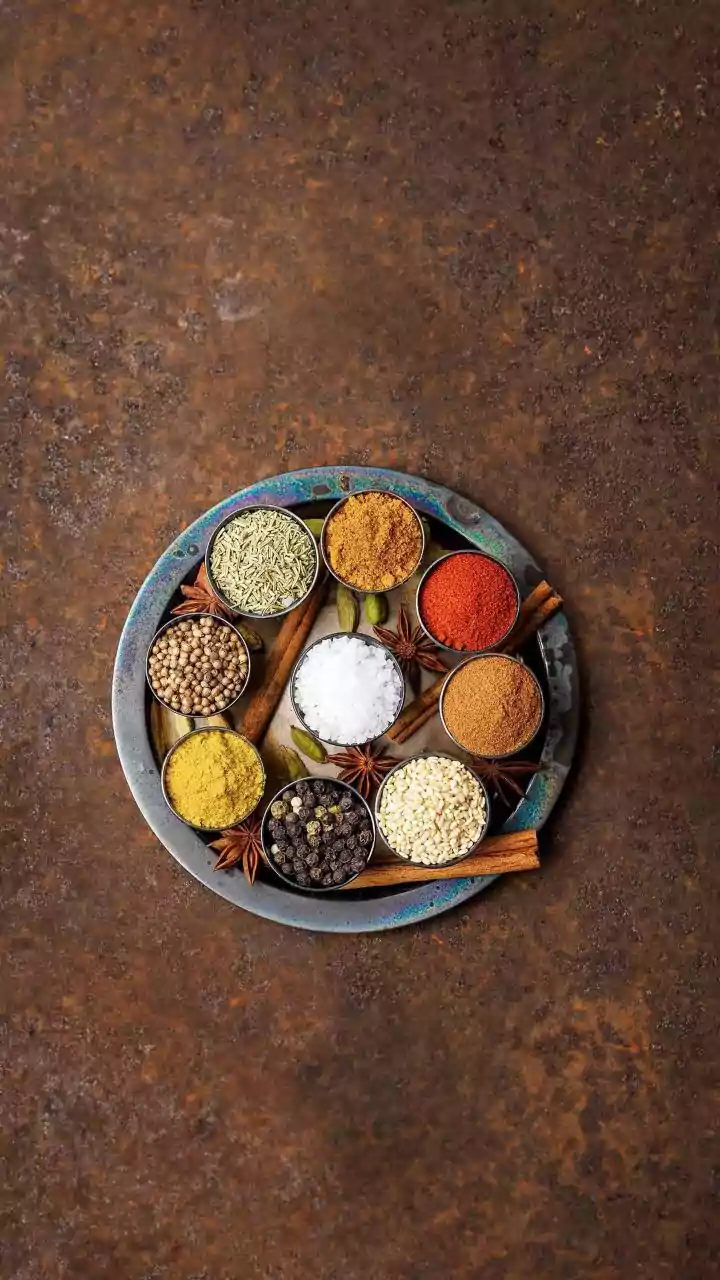


Walk into almost any Indian kitchen, and the foundational aromas of garlic and coriander are unmistakable. This dynamic duo is the backbone of countless curries, dals, and marinades, but what makes this specific combination so powerfully delicious?
The Pungent Power of Garlic
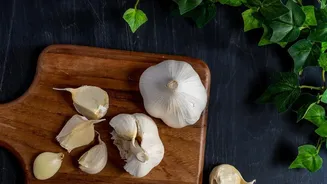
Garlic's
magic lies in its potent sulfur compounds. An intact clove has very little aroma. But the moment you crush, chop, or slice it, a chemical reaction occurs. An enzyme called alliinase converts a compound named alliin into allicin, the molecule responsible for garlic's signature sharp, pungent kick. The finer you mince the garlic, the more allicin is produced, and the stronger the flavour. However, allicin is unstable and mellows with heat. Adding garlic at the beginning of cooking results in a sweeter, more roasted flavour, while adding it near the end preserves its raw, assertive bite. This versatility allows it to be a subtle background note or a powerful forward flavour, making it a cornerstone ingredient in cuisines worldwide.
Coriander's Fresh Complexity
Coriander is a plant of two personalities: the leaf and the seed. The fresh leaves, known as cilantro or dhania, offer a bright, citrusy, and sometimes even soapy flavour. This profile comes from aldehydes, which create its refreshing quality. The leaves are delicate and their flavour diminishes with heat, which is why they are often used raw or added as a garnish at the very end of cooking to preserve their vibrant taste and aroma. On the other hand, coriander seeds are warm, nutty, spicy, and have orange-like floral notes. Their distinct aroma is primarily due to a compound called linalool. When toasted, the seeds release even more of their aromatic oils, providing a deep, earthy foundation to spice blends and sauces.
A Perfect Flavour Partnership
So, why do these two work so well together? It's a classic case of flavour balancing and complexity. Garlic's pungent, sulfurous notes provide a deep, savoury base. Coriander leaves (cilantro) then cut through that richness with their bright, clean, citrusy notes, preventing the dish from feeling too heavy. The floral, earthy warmth of coriander seeds can bridge the gap between the two, tying everything together. This principle, where ingredients with different flavour compounds complement each other, is common in many Asian cuisines. The sharp garlic and the fresh cilantro create a high-contrast pairing that excites the palate, making the overall flavour more dynamic and memorable than either ingredient could be on its own. They form a flavour base that is simultaneously pungent, fresh, earthy, and bright.
In the Kitchen: Beyond the Basics
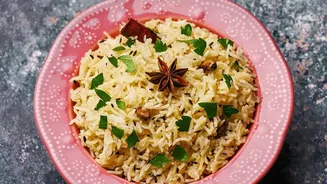
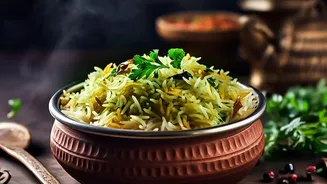
The combination of garlic and coriander is fundamental to Indian cooking, often forming the base of a 'masala' along with onion and ginger. But its uses are incredibly varied. A simple garlic and coriander chutney is a staple condiment, pairing zesty freshness with a pungent kick that elevates snacks like samosas and pakoras. A marinade of crushed garlic, chopped coriander, and yoghurt tenderises meat while infusing it with flavour. Even a simple tadka (tempering) of garlic bloomed in hot oil, with coriander leaves stirred in at the end, can transform a plain dal. From flavouring rice to being kneaded into paratha dough, this pair provides a reliable and delicious foundation.