



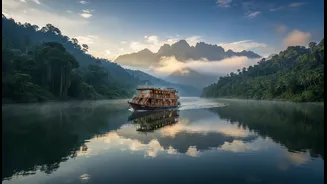


The New Long Weekend Blueprint
For many Indian millennials and Gen Z, the days of one long annual holiday are being replaced by more frequent, shorter breaks. A recent report highlighted that a staggering 87% of young Indian travellers prefer trips lasting less than a week, with many opting
for several micro-vacations over a single extended holiday. This shift is driven by demanding work schedules and a desire for regular respites from city life. But it's not just about frequency; it's about purpose. These travellers are seeking meaningful experiences that offer genuine relaxation and a connection to nature, rather than just ticking off a checklist of popular sights. This mindset has paved the way for slower, more immersive forms of travel to flourish.
Why River Travel Is Making a Comeback
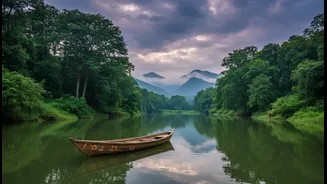
In a world of crowded hill stations and overrun beaches, rivers offer a unique and tranquil alternative. A river journey provides a constantly changing landscape from a perspective you can't get on land. It’s inherently slow, forcing a change of pace that is both restorative and deeply engaging. This revival is especially pronounced among travellers who are actively seeking destinations that haven't been overexposed online. Instead of fighting for a photo at a famous monument, they value discovering a quiet village or watching the sunset over a calm waterway. Operators are responding with curated journeys on rivers like the Ganges, Brahmaputra, and the backwaters of Kerala, offering a blend of culture, nature, and relaxation.
Defining the Eco-Friendly 'Micro-Cruise'
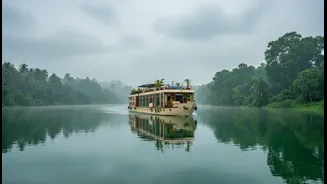
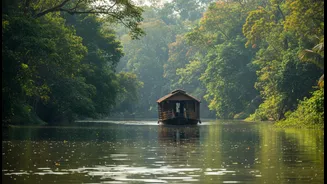
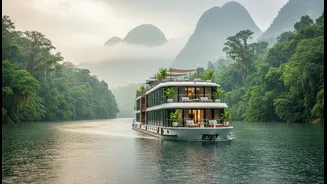
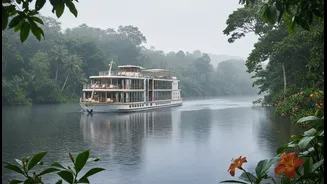
The term 'cruise' might bring to mind massive ocean liners, but in this context, it refers to something far more intimate and sustainable. These are typically small ships, boutique vessels, or traditional houseboats designed for low-impact tourism. In Kerala, for example, many houseboats are now eco-certified, using solar power, biodegradable products, and bio-toilets to avoid polluting the delicate backwater ecosystem. Many source their food from local farms, reducing their carbon footprint and giving guests an authentic taste of the region. The concept of a 'riverbed cruise' speaks to exploring shallower, less-trafficked tributaries or navigating rivers with seasonal water levels, offering a more adventurous and off-the-beaten-path experience. These cruises are often short, ranging from three to five nights, making them perfect for a long weekend.
Tiers of Travel: Sustainability for Every Budget
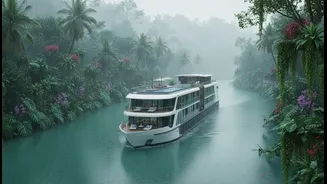
Eco-conscious travel isn't reserved for the ultra-wealthy. The rise of tiered options makes these river journeys accessible to a wide range of travellers. On one end, you might find an ultra-luxury experience on a ship like the Scenic Aura on the Hooghly River, which accommodates just 44 guests and includes private balconies, wellness centres, and guided excursions to historic palaces. In the middle tier, companies offer comfortable 4 to 7-night cruises on the Brahmaputra, focusing on wildlife sightings in Kaziranga National Park and cultural visits to monasteries on Majuli island. For those on a tighter budget, a deluxe eco-certified houseboat in Kerala offers a fantastic experience with fresh local food and serene views, without the high-end price tag. This tiered approach ensures that travellers can make sustainable choices without compromising on their budget or desired comfort level.
Finding Your River Escape
India’s vast network of rivers offers diverse options for a weekend escape. The backwaters of Kerala remain a classic choice, known for their labyrinthine canals and lush scenery. For those seeking grander landscapes and wildlife, a cruise on the Brahmaputra in Assam is unparalleled, offering chances to see one-horned rhinos and explore the world's largest river island. The Ganges and its tributaries, particularly in West Bengal, provide a journey through history, with stops at artisan villages and former colonial settlements. Even Goa offers a different perspective with sunset cruises on the Mandovi River. When booking, it's crucial to look for operators with clear sustainability policies. A truly eco-conscious company will be transparent about its waste management, energy sources, and commitment to supporting local communities.