


The Journey and The Craving
There’s an undeniable romance to a road trip during the monsoon. As the landscape transforms into a vibrant canvas of fifty shades of green, the journey becomes the destination. Windows down, a playlist of old Hindi songs, and the rhythmic drumming of rain
on the car roof create a unique symphony. Yet, this idyllic scene is often punctuated by a very real-world problem: hunger. Monsoon travel, for all its beauty, is unpredictable. A sudden downpour can shut down roadside dhabas, a landslide can add hours to your trip, and concerns about food and water hygiene are at an all-time high. This is where the wisdom of our ancestors, packed neatly in a steel tiffin, comes to the rescue. In these moments, you don't just need food; you need a reliable, comforting, and delicious companion. You need thepla.
An Introduction to the Hero
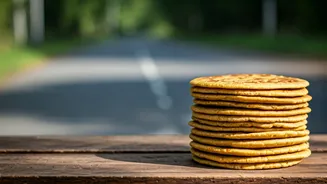
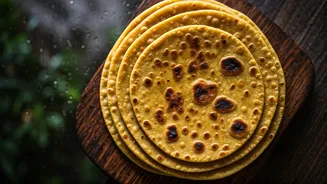
For the uninitiated, a thepla is a soft, spiced Indian flatbread, a cornerstone of Gujarati cuisine. Made from whole wheat flour (atta), gram flour (besan), and a medley of spices like turmeric, red chilli powder, and carom seeds (ajwain), its signature flavour often comes from fresh or dried fenugreek leaves (methi). Each disc is rolled thin and cooked on a tawa with a touch of oil until it’s speckled with golden-brown spots. It's neither a paratha nor a chapati; it occupies a hallowed space of its own. While delicious hot off the stove with a dollop of yoghurt or a sliver of pickle, the thepla’s true genius is revealed when it’s packed for a journey.
Engineered for the Road
Thepla isn't just a travel food by chance; it's a culinary marvel engineered for portability and longevity. Several factors contribute to its legendary status as a travel snack. Firstly, the ingredients are chosen for preservation. The inclusion of fenugreek leaves not only adds a distinct, slightly bitter flavour but also acts as a natural preservative, helping the theplas stay fresh for days without refrigeration. The oil used in both the dough and for cooking creates a protective layer, preventing them from drying out and warding off spoilage. Secondly, their texture is perfect for travel. They are sturdy enough to withstand being packed, yet soft enough to be enjoyed without any accompaniments. They don’t crumble like biscuits or get soggy like sandwiches. You can simply roll one up and eat it with one hand while keeping the other on the steering wheel—the ultimate no-fuss road trip meal.
The Perfect Monsoon Partner
While theplas are a year-round travel staple, they are particularly indispensable during the monsoon. The increased humidity and risk of water-borne illnesses make us rightfully wary of eating at unfamiliar roadside stalls. Having a stash of homemade theplas means you have a safe, hygienic, and satisfying meal on hand at all times. It eliminates the anxiety of finding a clean place to eat during a downpour. Moreover, there's a deep-seated comfort in their taste. The gentle warmth of the spices provides a psychological antidote to the grey, damp weather. The aroma of methi and ajwain that fills the car when the tiffin is opened is a sensory delight, cutting through the dampness and instantly lifting spirits. It’s the taste of home, a warm hug in food form, exactly when you need it most.
A Taste of Home and Heritage
Ultimately, a stack of theplas is more than just food; it’s an edible expression of care. It represents the foresight of the person—often a mother or grandmother—who woke up early to knead, roll, and cook them, ensuring their loved ones would be well-fed on their travels. Each bite is a connection to home and heritage. Packing them is a ritual, a tradition passed down through generations that understands the practical needs of a journey. In a world of fast food and packaged snacks, the thepla is a reminder of the enduring power of simple, thoughtfully prepared food. It doesn't come in a crinkly plastic wrapper; it comes wrapped in foil, love, and the collective wisdom of countless journeys past.