



Meet the Olla: An Ancient Solution
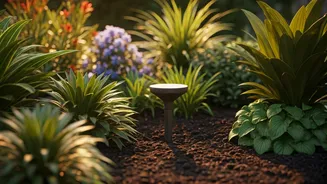
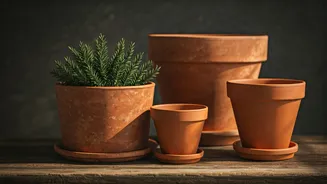
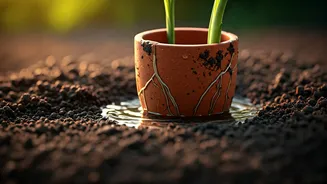
The trend at the heart of water-wise gardening isn't a new gadget but a centuries-old tool: the olla (pronounced 'oy-ya'). An olla is an unglazed terracotta pot that is buried in the garden with only its narrow neck exposed above the soil. You simply
fill the pot with water, and it handles the rest. This method of subsurface irrigation has been used for thousands of years in arid climates, from North Africa to China, and is now seeing a major resurgence among home gardeners and small-scale farmers in India for its incredible efficiency. It’s a beautifully simple, low-tech answer to the very modern problem of water conservation.
The Science of Saving Water
So, how does a simple clay pot save so much water? The magic lies in the porous nature of unglazed terracotta. When an olla is filled with water and buried in dry soil, the soil's natural suction power (a phenomenon called soil moisture tension) pulls water directly through the pot's walls. This process is self-regulating. When the surrounding soil is moist, less water is released. As the soil dries out, it draws more water from the olla. This means your plants get a consistent supply of moisture delivered directly to their roots, where it's needed most. Unlike surface watering with a hose or can, there is virtually no water lost to evaporation or runoff. Studies have shown this method can reduce water consumption by 50-70% compared to conventional watering, truly helping to save every drop.
Getting Started With Olla Irrigation
Implementing this trend in your own garden, whether it's a large plot or a few pots on a terrace, is remarkably straightforward. First, you'll need an olla. You can purchase them from specialty garden suppliers or even use a new, unglazed terracotta matka, plugging the drainage hole at the bottom with a cork or non-toxic silicone. To install it, dig a hole large enough for the pot, leaving space for the neck to remain above the soil line. Place the olla in the hole and pack soil firmly around it. Plant your seeds or saplings around the olla, typically within a 30-45 cm radius, depending on the pot's size. Fill the olla with water and cover the opening with a stone or a small lid to prevent mosquitoes from breeding and to reduce evaporation. Refill the olla every few days, or as needed—a quick glance inside will tell you when it’s empty. This method works exceptionally well for thirsty plants like tomatoes, gourds, melons, and leafy greens.
Benefits Beyond Water Conservation
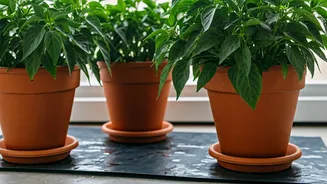
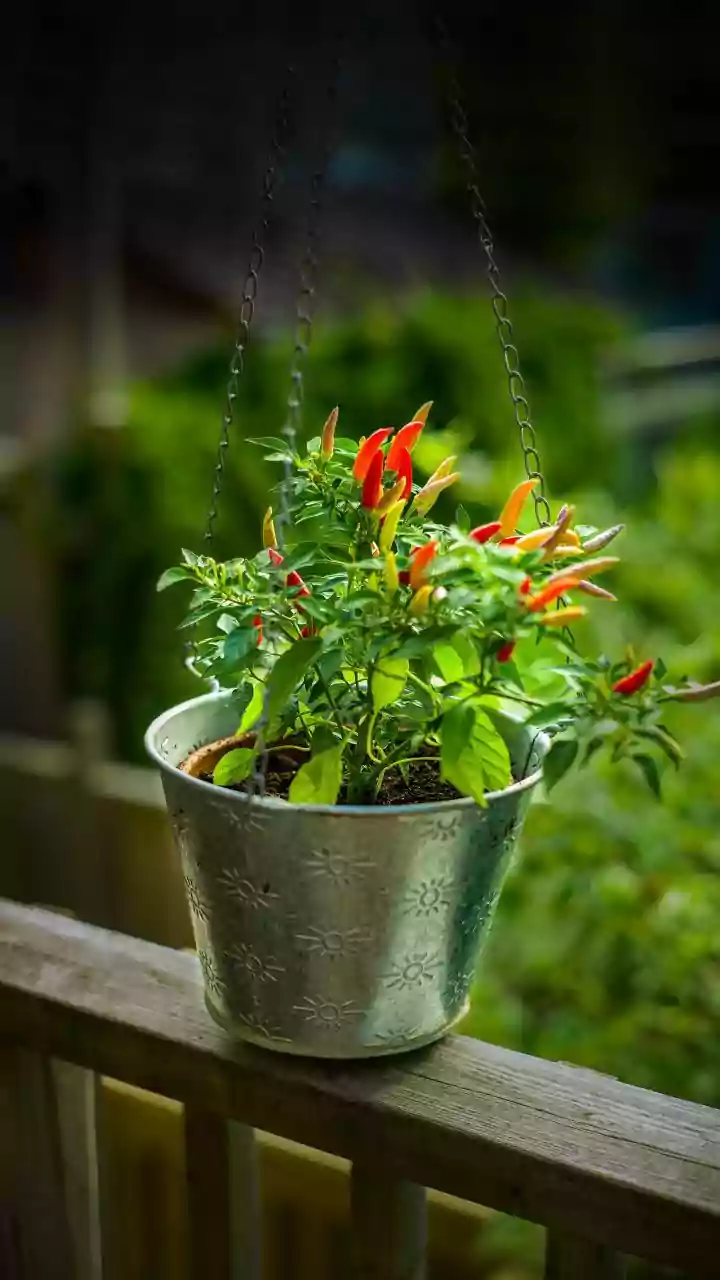
The advantages of using ollas extend far beyond just saving water. Because water is delivered directly to the root zone, it encourages plants to develop deep, strong root systems, making them more resilient to drought and heat. It also helps prevent the 'feast and famine' cycle of watering, which can stress plants. Furthermore, keeping the soil surface dry reduces weed growth significantly, meaning less work for you. For urban gardeners with container plants on balconies and terraces, ollas are a game-changer. They provide a steady water supply that prevents pots from drying out too quickly in the hot sun, making them perfect for people who travel or have busy schedules. Your plants stay consistently hydrated without daily attention.
Part of a Bigger Movement
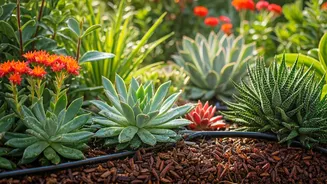
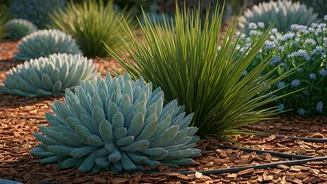
Olla irrigation is a cornerstone of a broader gardening philosophy known as xeriscaping, or water-wise gardening. This approach focuses on creating beautiful, sustainable gardens that require minimal irrigation. You can enhance the effects of your ollas by incorporating other xeriscaping principles. Apply a thick layer of mulch (like dried leaves, straw, or wood chips) on the soil surface to further reduce evaporation and suppress weeds. Choosing native and drought-tolerant plants that are naturally adapted to your local climate will also drastically cut down on your garden’s water needs. By combining these techniques, you create a resilient, low-maintenance garden ecosystem that thrives even when water is scarce.