





The Ancient Roots of a Modern Scent
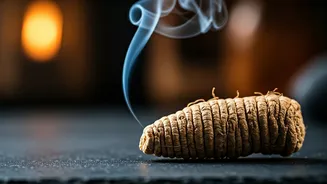
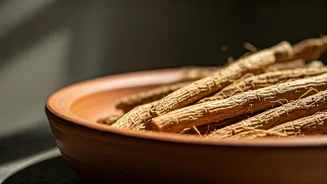
Before it became an aesthetic prop on Instagram, vetiver—known in India as 'khus'—was a celebrated workhorse. This perennial grass, native to India, has been used for centuries. Its dense, fibrous roots were woven into mats and curtains which, when sprinkled
with water, would cool homes during scorching summers while releasing a distinct, pleasant aroma. That scent is vetiver's true signature. Unlike fleeting floral or sweet citrus notes, vetiver is profoundly earthy. It smells like damp soil after a monsoon, a walk in a dense forest, with smoky, leathery undertones. It’s the scent of the earth itself, complex and grounding. In Ayurveda, it is revered as the 'oil of tranquility' for its ability to calm the mind and cool the body, a heritage that gives it an authenticity that modern consumers crave.
A Grounding Force in Anxious Times
The resurgence of vetiver is not happening in a vacuum. In an age of digital saturation and chronic stress, there is a collective yearning for things that root us in the present moment. The wellness industry has shifted from aspirational fitness to attainable calm, and scent is a powerful tool in that quest. Vetiver’s scent profile is perfectly suited for this new mood. Its grounding properties are not just a matter of Ayurvedic tradition; they are palpable. The deep, low notes of the fragrance are thought to have a stabilising effect on the nervous system. Lighting a vetiver cone is an invitation to slow down. The aroma doesn't jolt the senses; it anchors them, providing a sensory antidote to the high-frequency buzz of notifications and deadlines. It’s a fragrance that feels less like a perfume and more like a presence—a quiet, steadying force in your personal space.
The Allure of the Artisanal Cone
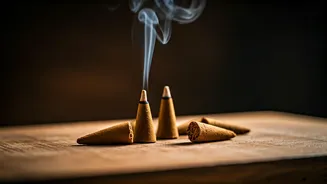
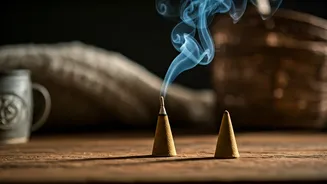
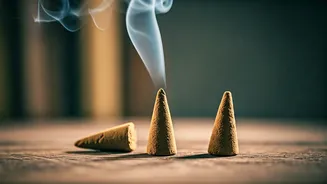
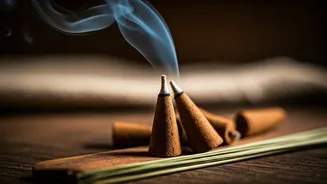
The word 'handmade' in the headline is crucial. A significant part of this trend is a conscious move away from mass-produced, chemical-laden home fragrances. Consumers are increasingly wary of the synthetic compounds in many air fresheners, candles, and conventional incense sticks, which can release volatile organic compounds (VOCs). Handmade vetiver cones represent a return to natural simplicity. They are typically made with just a few ingredients: powdered vetiver root, a natural binder like jigat or makko powder (from tree bark), and sometimes charcoal or wood powders. There are no synthetic perfumes or accelerants. This transparency appeals to a new generation of buyers who value craftsmanship, sustainability, and the story behind a product. They are not just buying a scent; they are buying a small-batch, artisanal object made with intention.
Designed for the Digital Aesthetic
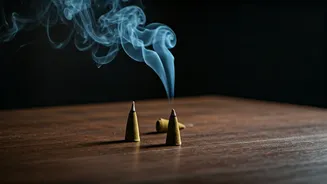
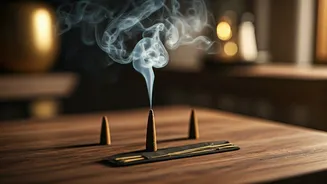
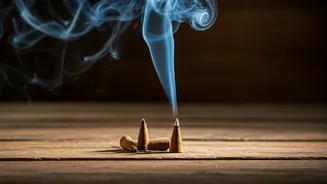
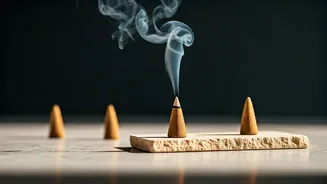
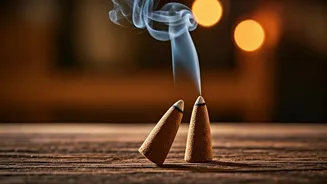
Let’s be honest: for a trend to dominate social media, it has to look good. Vetiver incense cones are incredibly photogenic. The minimalist, rustic cone shape fits perfectly with the popular Japandi and neutral-toned interior design aesthetics. But the real star is the smoke. Many handmade cones, particularly 'backflow' cones designed with a hollow chamber, produce a thick, heavy smoke that cascades downwards like a mystical waterfall. This mesmerising visual is pure catnip for platforms like Instagram and TikTok. A short video of smoke pouring from a cone set against a backdrop of ceramic, wood, and linen creates a powerful visual shorthand for 'calm,' 'ritual,' and 'sanctuary.' The product delivers a sensory experience that is not only smelled but also seen, making it inherently shareable and aspirational.
Bringing the Ritual Home
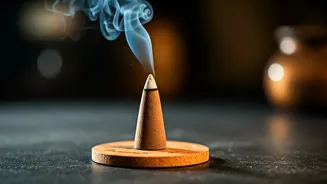
Embracing this trend is simple, but a little knowledge goes a long way. When shopping, look for cones that list their ingredients clearly and state they are '100% natural.' The best ones have a rich, earthy smell even before they are lit. To use them, place the cone on a fireproof dish or a dedicated incense holder that can catch the ash. Light the very tip of the cone, let the flame burn for about 10 seconds, and then gently blow it out. A glowing ember and a steady stream of fragrant smoke should remain. Most importantly, always burn incense in a well-ventilated room to ensure good air quality. Use the 15-20 minute burn time not just as background fragrance, but as a dedicated moment to unplug—a small, sensory ritual to mark the end of a workday or the beginning of a quiet evening.