
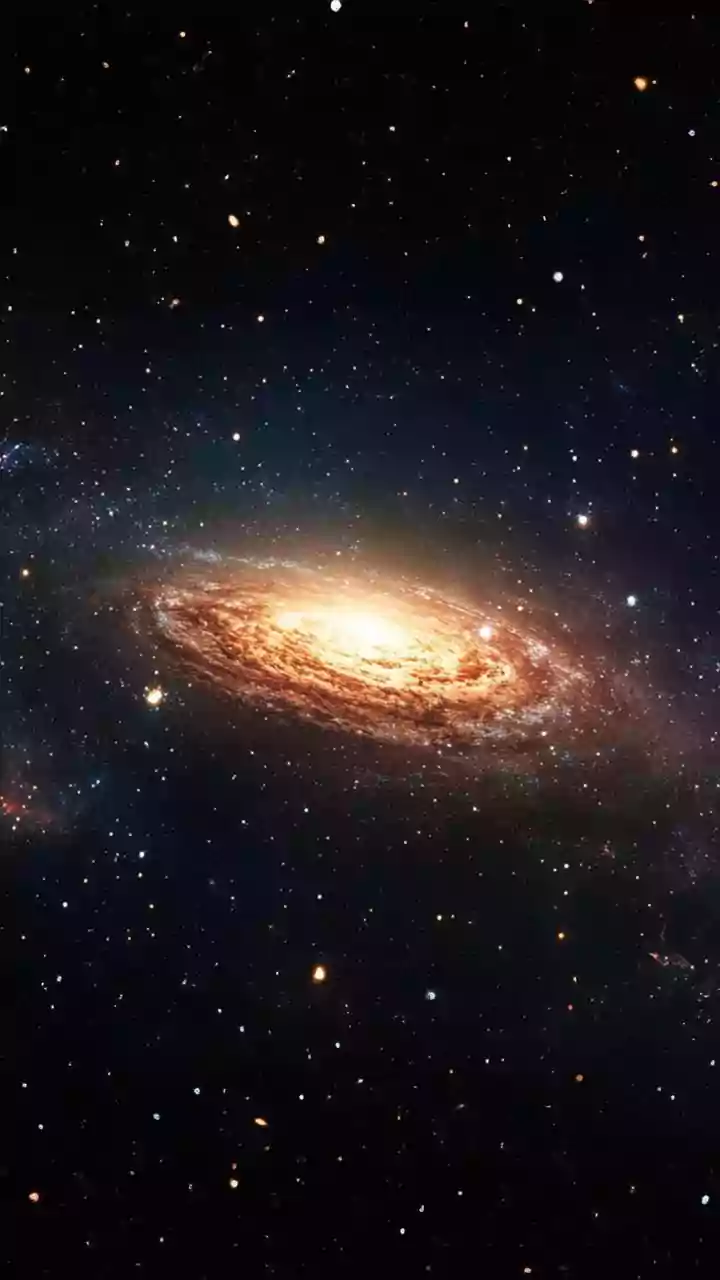
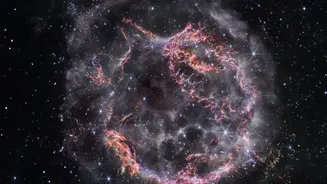
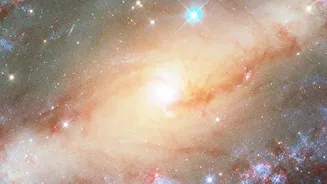
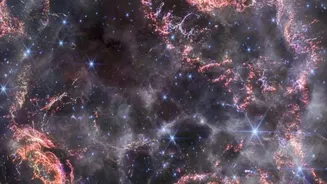
A Window to the Dawn of Time
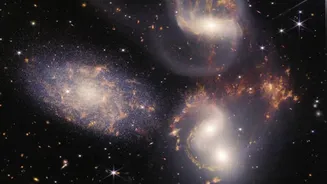
Since its launch, the James Webb Space Telescope has been peering deep into the cosmic past. Because light takes time to travel, looking at the most distant galaxies is like looking back in time. Webb's powerful infrared instruments can detect the faint
light from galaxies that formed just a few hundred million years after the Big Bang, a period known as the cosmic dawn. This allows astronomers to see the universe's baby pictures, and what they're finding is challenging long-held theories. Before Webb, scientists had to rely more on models and simulations to understand this era. Now, with real data, they are getting a direct view of how the first stars and galaxies took shape.
Chaotic and Clumpy Nurseries
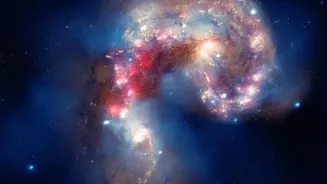
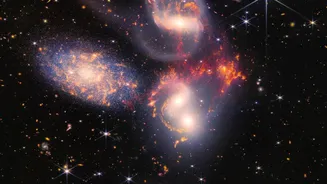
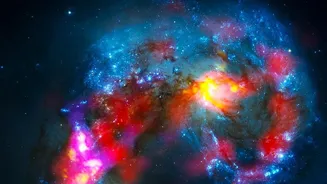
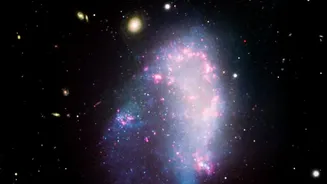
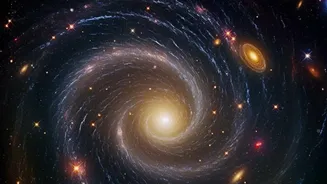
The headline-making discovery is about the nature of these first galaxies. Instead of the majestic, well-ordered spirals like our own Milky Way, the early universe was filled with galaxies that were messy, clumpy, and turbulent. These early galaxies are often described as being in a state of constant upheaval, dominated by gas and prone to frequent mergers with their neighbours. This chaotic environment led to intense and rapid bursts of star formation—far more dramatic than the steady pace seen in the modern universe. These star-forming regions, often called 'cosmic nurseries', were churning out new stars at rates hundreds of times greater than what we see today.
Not What Astronomers Expected
These findings have surprised astronomers. It was widely assumed that the processes governing star birth were relatively consistent throughout cosmic history. However, Webb's data suggests the early universe played by different rules. The telescope's sensitivity has revealed that these ancient galaxies contain a much larger proportion of smaller, fainter stars than previously thought. Because these smaller stars were too dim to be seen before, our estimates of the mass of these early galaxies were off. With this hidden population now accounted for, some of these galaxies could be three to four times more massive than earlier calculations suggested. This makes the puzzle of how such enormous structures formed so quickly even harder to solve.
Rewriting the Story of Galaxy Evolution
The implications of these discoveries are profound. If early galaxies were more massive and formed stars in more violent bursts, it means the entire timeline of cosmic evolution needs a rethink. For instance, the sheer intensity of star formation in these young galaxies may explain how the universe underwent a critical phase transition known as the Era of Reionization. During this period, the vast clouds of neutral hydrogen fog that filled the early universe were cleared, making the cosmos transparent to light. The intense ultraviolet radiation from the hot, young stars seen by Webb is a prime candidate for what drove this cosmic clearing. Furthermore, the discovery of more low-mass stars could mean that planets were more common in the early universe than scientists realised.