






Create a Realistic Festival Budget
The first step to a stress-free Onam is planning before the celebrations begin. A successful budget isn't made in the shopping queue; it's set weeks before Atham. Start by deciding on a total amount you can comfortably spend from your savings, not from credit
cards or future income. A good practice is to categorize your expected expenses: the sadhya, Onakkodi (new clothes), pookkalam flowers, gifts, and travel. Assign a specific cap to each category. This prevents one area of spending, like an enthusiastic trip for new clothes, from consuming the funds for the entire festival. It is also wise to keep a buffer of 10-15% for unexpected costs, like extra guests or last-minute purchases. If you receive an Onam bonus, a smart move is to divide it into three parts before you start spending: one for celebrations, one for savings, and one for any outstanding debt.
The Grand Onam Sadhya on a Budget
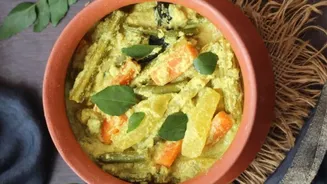
The Onam sadhya, an elaborate vegetarian feast, is the heart of the celebration, but it can also be the biggest expense. Cooking at home is generally more cost-effective than booking a restaurant, especially for a large number of guests. To manage costs, decide on your final menu and guest count before you shop. A sadhya with 12 delicious dishes is more manageable and budget-friendly than a stressful attempt at 26. Focus on essential dishes like rice, sambar, avial, a thoran, payasam, and pickle to capture the complete sadhya experience. You can save money by buying ingredients that can be used across multiple dishes, such as pumpkin and coconut. Preparing some items like pickles and payasam bases in advance can also reduce last-minute stress and expense. If you have a close-knit community, consider a potluck-style sadhya where different families contribute a few dishes each, sharing both the cost and the effort.
A Beautiful Pookkalam Without the High Cost
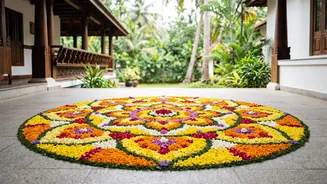
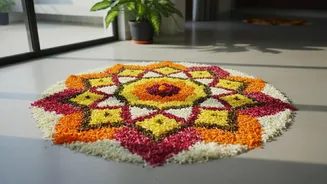
The daily pookkalam, or floral carpet, is a beautiful tradition that can become surprisingly expensive over ten days. The cost of flowers adds up, as the design traditionally grows larger each day leading up to Thiruvonam. To keep this expense in check, buy your flowers from local, early-morning vendors instead of pre-made kits. You can create stunning designs by mixing expensive flowers with more affordable local varieties, colourful leaves, and even coloured rice flour for outlines. Starting with a small, simple design on Atham and adding a new ring of flowers each day is a traditional way to build the pookkalam that also helps manage daily costs. Another great option is to collaborate with neighbours to create a single, large community pookkalam, splitting the daily flower bill among several households.
Smart Shopping for Onakkodi and Gifts
Gifting Onakkodi, or new clothes, is a cherished Onam custom. To avoid the last-minute rush and inflated prices, start your shopping well before the festival's final days. Many stores have pre-Onam sales that offer better prices. Go shopping with a clear list of who you're buying for and a set budget for each person. This prevents impulse buys and helps you stick to your overall plan. Focus on buying one high-quality, timeless outfit per person, like a classic kasavu saree or mundu, rather than multiple trendy pieces that may not be worn again. In an age of social media pressure, it's also helpful to remember that you don't need to buy a new outfit every year; re-wearing a beloved saree is a sustainable and perfectly acceptable choice. For larger gifts, consider pooling money with siblings or other family members to share the cost without diminishing the gesture.