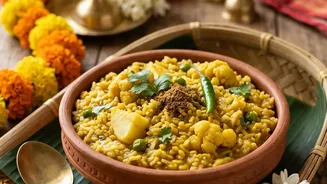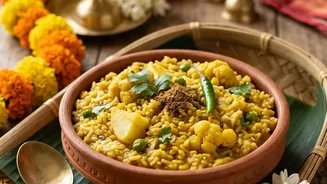

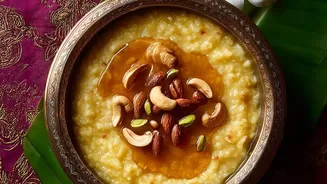
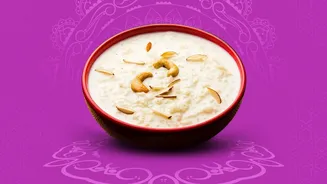
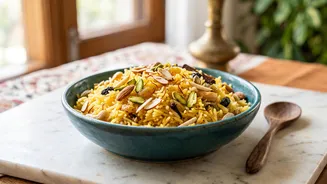
A recent nostalgic mention of festive 'sweet rice' by Sonia Gandhi has sparked curiosity around a treasured Kashmiri delicacy. This has put the spotlight on Modur Pulav, a dish that is much more than just a sweet variant of a familiar favourite.
A Political Plate with a Sweet Story
In a recent
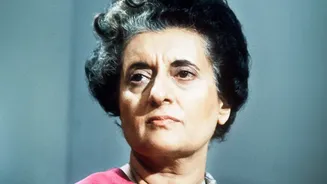
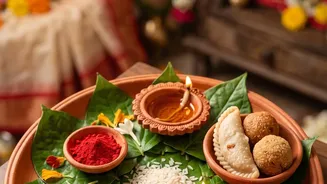
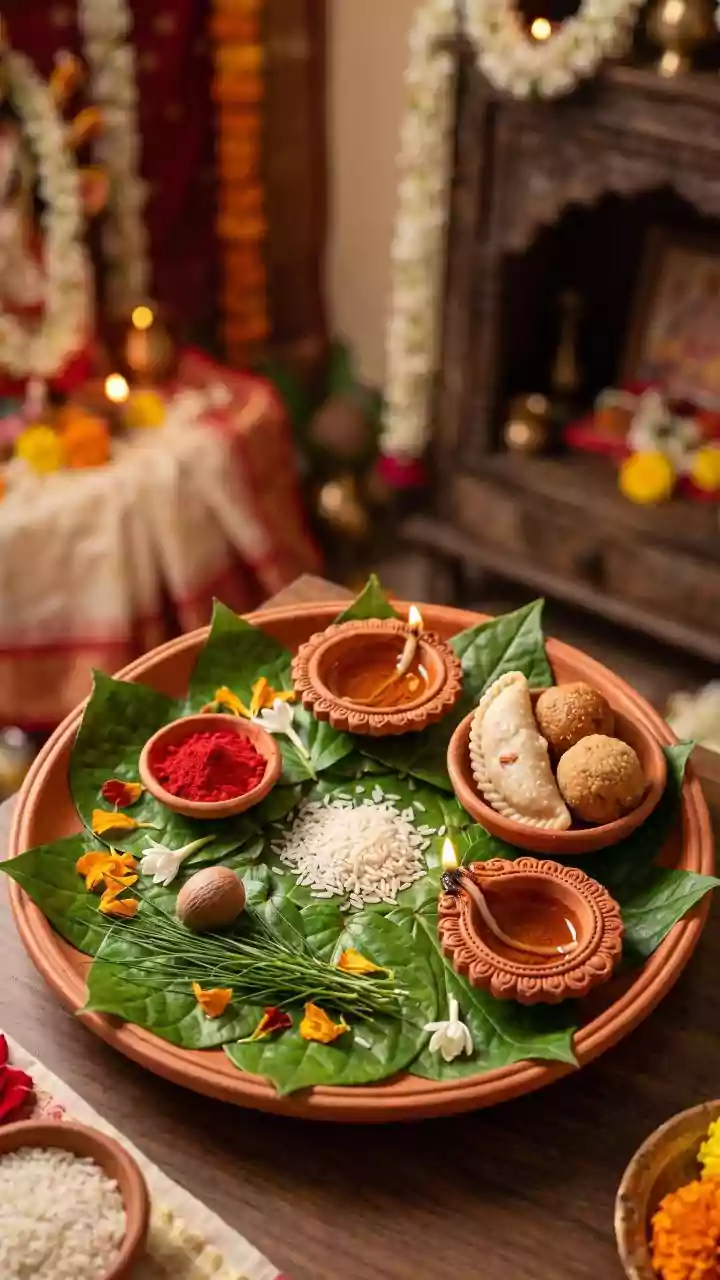
video conversation with her daughter Priyanka and granddaughter Miraya, Sonia Gandhi fondly recalled Diwali traditions at the home of her mother-in-law, former Prime Minister Indira Gandhi. She mentioned that Kashmiri food, particularly a 'sweet rice', was a festive staple that the family continues to make. This comment immediately drew attention to the rich culinary traditions of the Nehru-Gandhi family, which has its roots in the Kashmiri Pandit community. While she didn't name the dish, food enthusiasts quickly identified it as the celebrated Modur Pulav, a cornerstone of Kashmiri festive dining. The memory serves as a reminder of how food acts as a powerful vessel for heritage, carrying personal and cultural histories across generations.
What Exactly Is Modur Pulav?
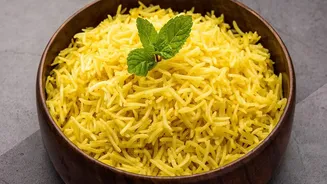
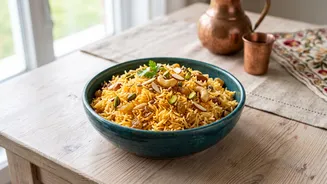
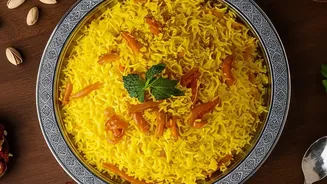
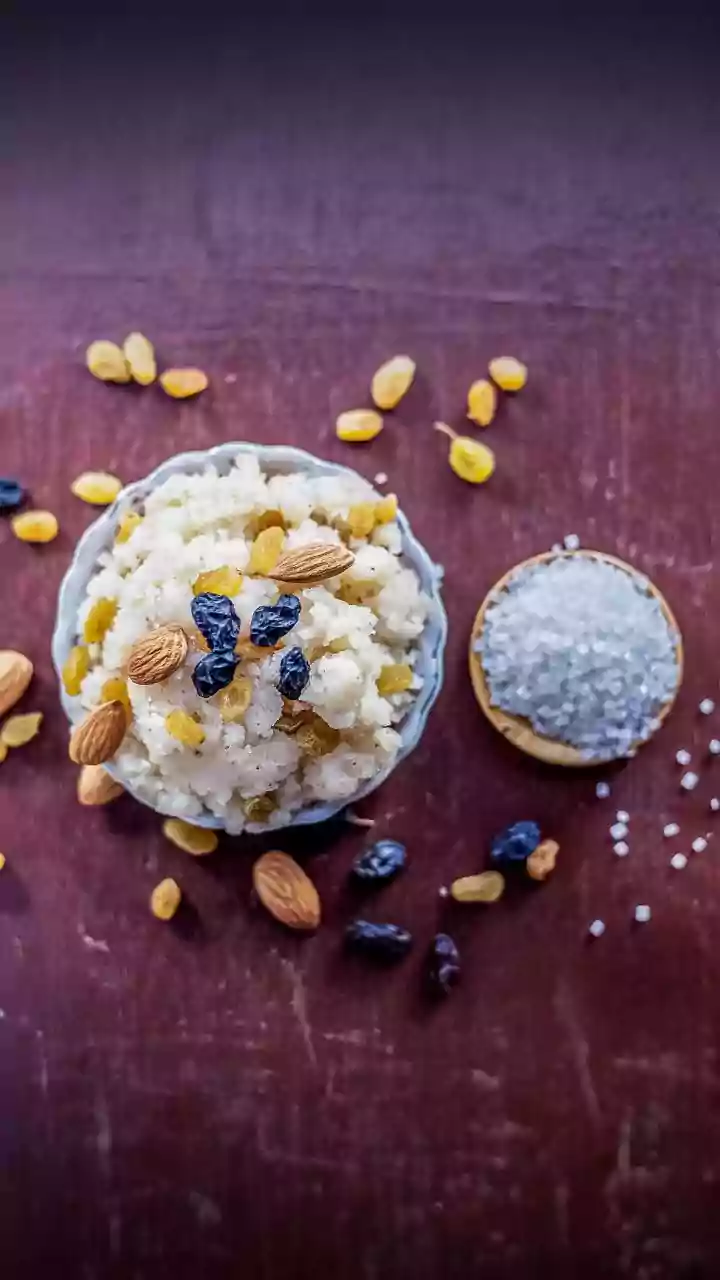
At its heart, Modur Pulav is a sweet and aromatic rice dish hailing from the Kashmir Valley. The name itself is a giveaway, as 'Modur' means sweet in the Kashmiri language. Unlike the savoury, spicy pulaos common across the rest of India, this version is a celebration of sweetness, fragrance, and rich texture. It is prepared with long-grain Basmati rice, which is delicately cooked with sugar, a generous amount of ghee, and a symphony of whole spices like cinnamon and green cardamom. What truly sets it apart is the lavish use of saffron, which imparts a beautiful golden hue and an unmistakable aroma, along with a bounty of nuts and dried fruits.
A Harmony of Sweetness and Spice
The magic of Modur Pulav lies in its balanced complexity. The sweetness is not overpowering; instead, it's a gentle layer that complements the other ingredients. The rice is often cooked in milk or a combination of milk and water, adding to its richness. A generous helping of fried nuts and dried fruits like almonds, cashews, walnuts, raisins, and sometimes dried coconut or dates is essential, adding layers of texture and flavour. The whole spices—cinnamon, cloves, and cardamom—are sizzled in ghee at the beginning, releasing their fragrant oils and creating an aromatic base that permeates every grain of rice. This careful layering of sweet, aromatic, and rich elements is what makes the dish so unique.
More Than Just a Dish, It's a Celebration
In Kashmir, Modur Pulav is not an everyday meal. It is a dish reserved for special occasions, a symbol of hospitality, celebration, and abundance. It is a prominent feature in the legendary multi-course Kashmiri feast known as the Wazwan, often served towards the end of the meal. The pulav is also a staple during festivals, weddings, and family gatherings in both Kashmiri Pandit and Muslim households. Its role is often to act as a bridge between the main savoury courses and the dessert, providing a sweet contrast on the palate. The preparation itself, often a communal activity, reinforces its connection to family and tradition.
How It Differs From Biryani and Savoury Pulao
While it shares a name with the common pulao, Modur Pulav is in a category of its own. Most pulaos across India are savoury and cooked using an absorption method, where rice and other ingredients simmer together in a single pot. Biryani, on the other hand, involves a more complex layering technique where par-cooked rice and a separate meat or vegetable gravy are cooked together slowly, often in a sealed pot (dum style). Modur Pulav is distinct from both. It is unequivocally sweet, relies on saffron and dried fruits for its primary flavour profile rather than a host of savoury spices, and is considered a festive specialty rather than a regular one-pot meal.