
The Post-Monsoon Weather Window
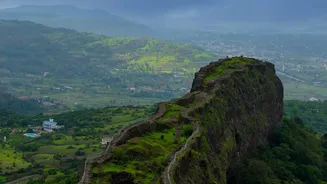
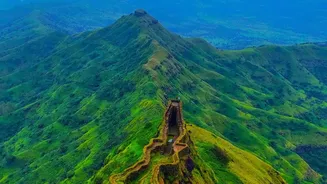
October marks the transition out of the heavy monsoon season, offering a delightful balance for travellers. The weather is no longer characterised by relentless downpours, but the landscape retains the vibrant green hues of the preceding months. Expect
mostly clear, sunny days with pleasantly warm temperatures, although humidity can still be a factor. However, don't pack away your rain gear just yet. The post-monsoon period can bring sporadic, short-lived showers, especially in the early part of October in the ghat regions. These are typically not disruptive enough to ruin a trip but are worth factoring into your plans. The best part is that the oppressive summer heat has not yet set in, making it an ideal time for sightseeing and outdoor activities. Average temperatures in Maharashtra during this time are generally comfortable for exploring.
Navigating Post-Monsoon Road Conditions
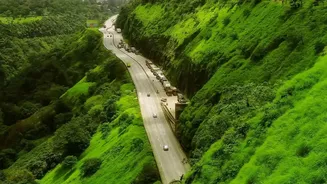
While the weather might be clearing up, the roads often tell a different story. The monsoon season takes a heavy toll on Maharashtra's road network, and the aftermath requires careful navigation. Major corridors like the Mumbai-Pune Expressway are generally well-maintained but can still suffer from monsoon-related issues. During the heavy rains of July 2026, for example, the expressway experienced significant disruptions due to landslides and waterlogging in the Lonavala-Khandala ghat section, forcing closures. While such extreme events are less likely in October, the risk of encountering damaged surfaces, potholes, and debris from minor rockfalls remains, particularly on smaller state highways and rural roads. The ghat sections, like those in Malshej or Tamhini, demand extra caution. Fog can still reduce visibility, especially in the early mornings, and wet patches from overnight rain can make roads slippery. Before any trip, it is essential to check for real-time traffic updates and road status reports, as local conditions can change quickly.
Smart Getaway Choices for the Season
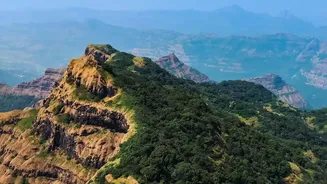
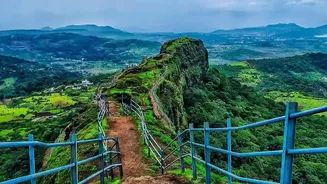
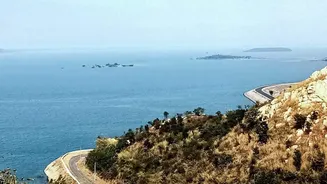
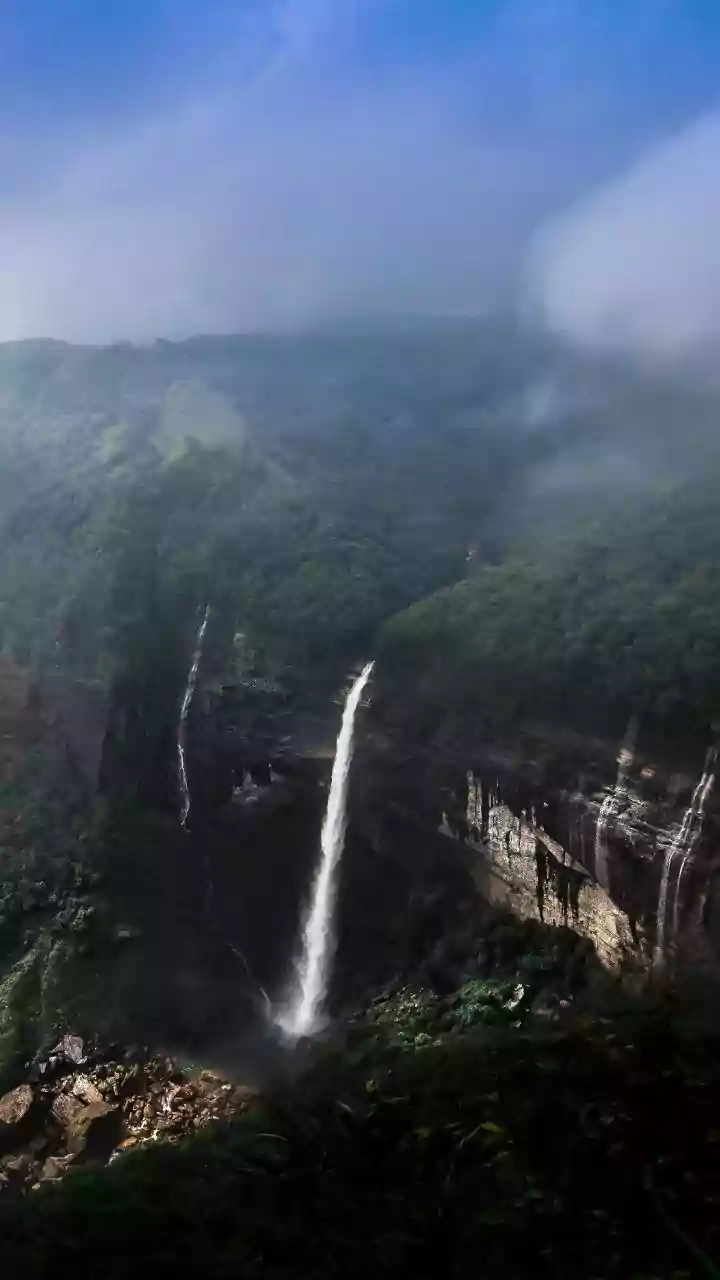
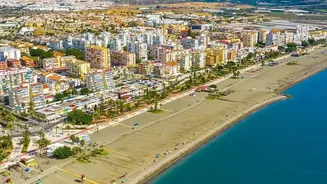
Choosing the right destination is key to a successful post-monsoon trip. Here are a few popular getaways and what to consider: Lonavala & Khandala: Easily accessible via the Mumbai-Pune Expressway, these twin hill stations are a classic choice. The surrounding hills are at their greenest, and waterfalls like Kune Falls are still impressive. The main risk here is traffic, especially on weekends, and navigating internal roads that may be in poor condition after the rains. Alibaug & The Konkan Coast: For those who prefer a coastal drive over the ghats, Alibaug is a great option. One major advantage in October is the resumption of ferry services. Passenger ferries from Gateway of India to Mandwa, which are suspended during the monsoon (typically May to September), are usually operational again. The vehicle-carrying Ro-Ro ferry often continues to run through the monsoon and remains a reliable choice. If driving the entire way, roads like NH-66 are generally in good shape, but smaller connecting roads might have post-monsoon wear and tear. Igatpuri & Malshej Ghat: These destinations are perfect for mountain lovers. The drive itself is a major part of the experience, offering stunning views of misty valleys and waterfalls. However, these routes require the most caution. The ghat roads are prone to landslides and foggy conditions. Always drive during daylight hours and be prepared for slow-moving traffic and potential blockages.
Your Essential Travel Checklist
A little preparation goes a long way in ensuring a safe and enjoyable trip. Before you leave, run through this checklist: Vehicle Health: Check your car's tyres, brakes, and wipers. Good tyre tread is crucial for handling wet patches on the road. Stay Informed: Download offline maps, as mobile networks can be unreliable in the ghats. Use real-time traffic apps like Google Maps to check for road closures or heavy congestion before you start. Drive Defensively: On wet or foggy roads, reduce your speed, increase the distance between you and the vehicle ahead, and use low-beam headlights. Avoid night driving in hilly areas if possible. Pack Smart: Carry a light jacket or raincoat for unexpected showers, along with comfortable walking shoes. A basic first-aid kit and a charged power bank are always good ideas. Be Flexible: Roadblocks or heavy traffic might delay your plans. The key to a stress-free monsoon getaway is to build extra time into your schedule and not be in a rush. Sometimes, the best plan is to pull over for a cup of tea and wait for conditions to improve.