


The Philosophy of Fasting Food
Before diving into the specific ingredients, it's helpful to understand the 'why' behind Vrat-friendly food. The diet followed during fasting periods like Navratri, Ekadashi, or Mahashivratri is typically 'Sattvic'. This ancient Ayurvedic concept categorises
food based on its effect on the body and mind. Sattvic foods are considered pure, natural, and light, promoting calmness and mental clarity. Foods that are 'Rajasic' (stimulating, like onions and garlic) or 'Tamasic' (heavy, dulling, like processed foods and stale items) are avoided to maintain a state of physical and spiritual purity. Fasting is seen as a way to detoxify the body and give the digestive system a rest. Therefore, the ingredients chosen are always easy to digest, nourishing, and minimally processed.
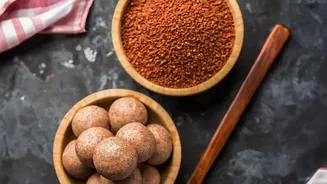
1. Sendha Namak (Rock Salt): The Pure Seasoning
One of the most fundamental rules of Vrat cooking is swapping regular table salt for Sendha Namak, or rock salt. The reasoning is simple: table salt is heavily processed and often iodized, placing it in the 'Tamasic' or impure category for fasting purposes. Sendha Namak, on the other hand, is a naturally occurring mineral salt, mined from ancient salt deposits, often in the Himalayan region. It is considered the purest form of salt because it is unrefined and free from chemical processing and additives. Beyond its purity, it is also valued for being lighter on the digestive system. Its milder flavour complements the subtle tastes of Vrat dishes perfectly. Furthermore, it contains trace minerals like potassium and magnesium, which help maintain the body's electrolyte balance, providing sustained energy during the fast.
2. Kuttu ka Atta (Buckwheat Flour): The Pseudo-Grain Powerhouse
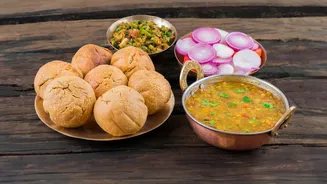
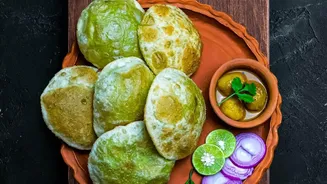
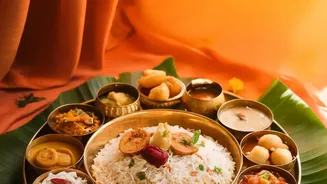
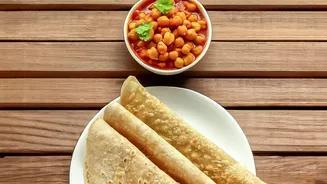
Grains like wheat and rice are strictly avoided during most fasts. This is where Kuttu ka Atta, or buckwheat flour, becomes a hero ingredient. Despite its name, buckwheat is not a true cereal grain; it's the seed of a fruit related to rhubarb. This classification makes it permissible for fasting. Nutritionally, it's a stellar choice. Kuttu is packed with complex carbohydrates and high-quality protein, which provides a slow and steady release of energy, keeping you feeling full and preventing the weakness often associated with fasting. It is also naturally gluten-free and rich in fibre, which aids digestion at a time when the body's systems are intentionally slowed down. From crispy puris and pakoras to dosas and parathas, its versatility makes it an indispensable part of the Vrat thali.
3. Aloo (Potato): The Versatile Energiser
The humble potato is another non-negotiable staple in the Vrat kitchen, beloved for its versatility and filling nature. As a root vegetable, it is permitted during fasts and serves as a primary source of carbohydrates, providing much-needed energy. Potatoes can be cooked in countless ways that align with fasting rules — boiled and tossed with cumin and rock salt, mashed into tikkis, or cooked into a simple 'sabzi' to accompany Kuttu ki puri. They are easy to digest and provide a sense of satiety, which is crucial when meals are infrequent. While deep-fried preparations are popular, many opt for healthier methods like boiling or sautéing to keep the meals light and Sattvic, aligning with the true spirit of the fast. Its ability to absorb flavours and pair well with other Vrat ingredients makes it a comforting and essential component of fasting feasts.