



A Global Trail of Damage
The evidence of disrespect is becoming alarmingly frequent. In June 2026, a tourist at the Grand Canyon fell while climbing on historic furniture to take a photo, breaking a priceless, sacred Hopi headpiece in the process. This is not an isolated incident.
Across Europe, a troubling trend of vandalism continues, from tourists carving their initials into the 2,000-year-old Roman Colosseum to damaging Florence's 16th-century Fountain of Neptune for a dare. In one case, a pursuit for a funny photo led to a visitor falling and breaking an art piece at a museum in Verona. These acts aren't just minor infractions; they represent permanent damage to irreplaceable records of human history. The sheer volume of visitors, a phenomenon known as 'overtourism', also causes significant wear and tear, eroding ancient structures in places like Petra and Angkor Wat simply through foot traffic.
The Rise of 'Selfie-and-Go' Tourism
What fuels this behaviour? Many observers point to the influence of social media, which has cultivated a culture where the photo opportunity can overshadow the significance of the place itself. The focus shifts from experiencing a site to capturing content for an online audience, turning sacred or historic grounds into mere backdrops. This mindset can lead to carelessness and a disconnect from the value of what's being visited. Beyond individual actions, the broader issue of 'overtourism' strains infrastructure and local communities. Cities like Venice have seen their local populations shrink as the city transforms into what some describe as a theme park for tourists. The pressure is immense, degrading not only the physical structures but also the cultural authenticity of these destinations.
A Concern Closer to Home
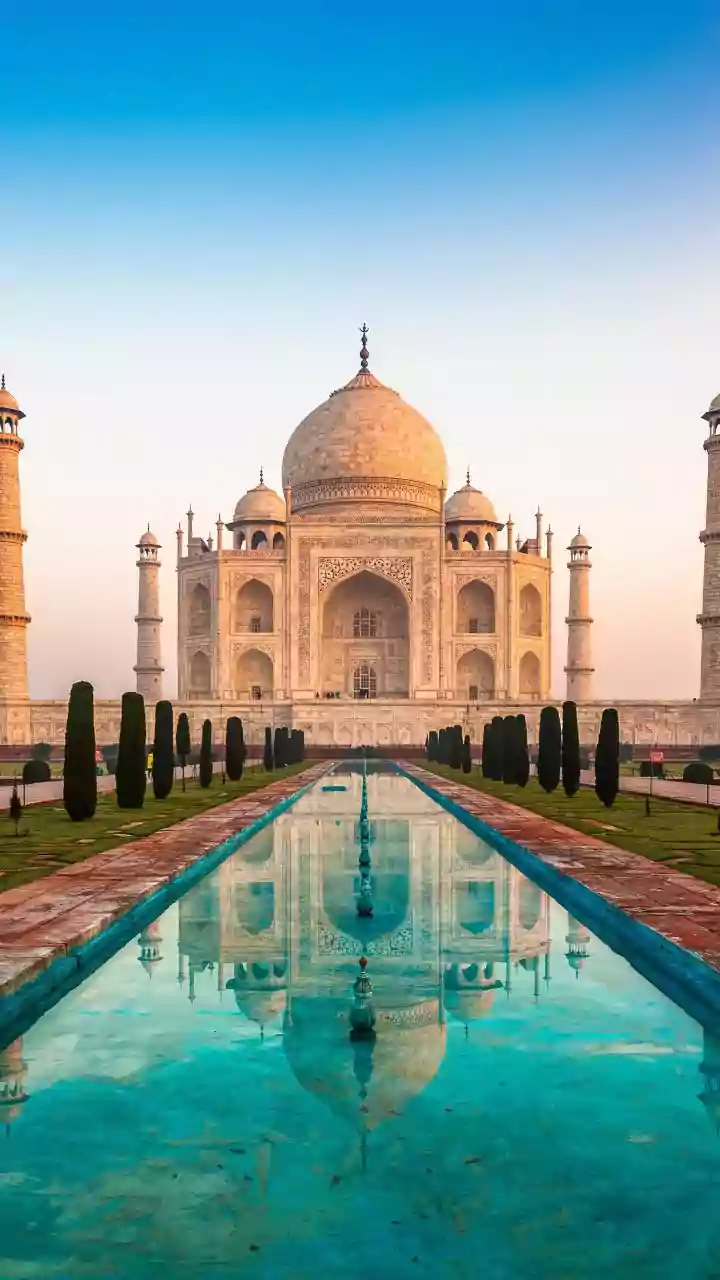
This is not a distant problem; India's own treasured heritage is under similar threat. Vandalism is a regular occurrence at many historical sites, from casual scribbling on ancient walls to more severe damage. The UNESCO World Heritage site of Hampi, for example, has faced numerous incidents, including tourists toppling stone pillars and fires breaking out near temple complexes. Experts warn that the ancient stone structures are being affected by the increasing tourist footfall and pollution from surrounding urban growth. Even iconic monuments like the Taj Mahal and Delhi's Red Fort are not immune, suffering from the effects of pollution and requiring extensive restoration work. The challenge is twofold: protecting these sites from deliberate vandalism and mitigating the slow, steady erosion caused by millions of visitors and environmental pressures. In Goa, development in the name of tourism has even led to the destruction of a hillock near a protected temple.
Becoming a Guardian, Not Just a Guest
The solution lies in shifting our perspective from being consumers of a destination to being its temporary custodians. Responsible tourism begins with a simple but powerful concept: respect. This means following the rules, such as not touching artefacts, staying within designated areas, and refraining from taking photos where prohibited. It involves educating ourselves about the history and cultural significance of a place before we arrive, which fosters a deeper appreciation. Instead of rushing for a selfie, take the time to observe and absorb the atmosphere. Hiring local guides not only enriches your own experience but also invests in the community that safeguards the heritage. Simple acts like not littering and reporting any vandalism you witness can make a significant collective impact. The goal is to leave a place as good as, or better than, you found it, ensuring it survives for future generations to cherish.