







A Season of Scant Rains
The June to September monsoon season concluded with a nationwide rainfall deficit of 12.6% below the long-period average, making it the weakest since 2015. According to the India Meteorological Department (IMD), the country received 759.4 mm of rain against
a normal of 868.6 mm. This significant shortfall is largely attributed to a strengthening El Niño phenomenon in the Pacific Ocean, which is known to disrupt global weather patterns. The season was marked by erratic distribution; after a severely dry June, July brought a brief recovery before August and September saw deficits return. The impact was not uniform across the country, with southern, eastern, and northeastern India being the hardest hit, recording deficits of around 24-26%.
The Impact on Kharif Harvests
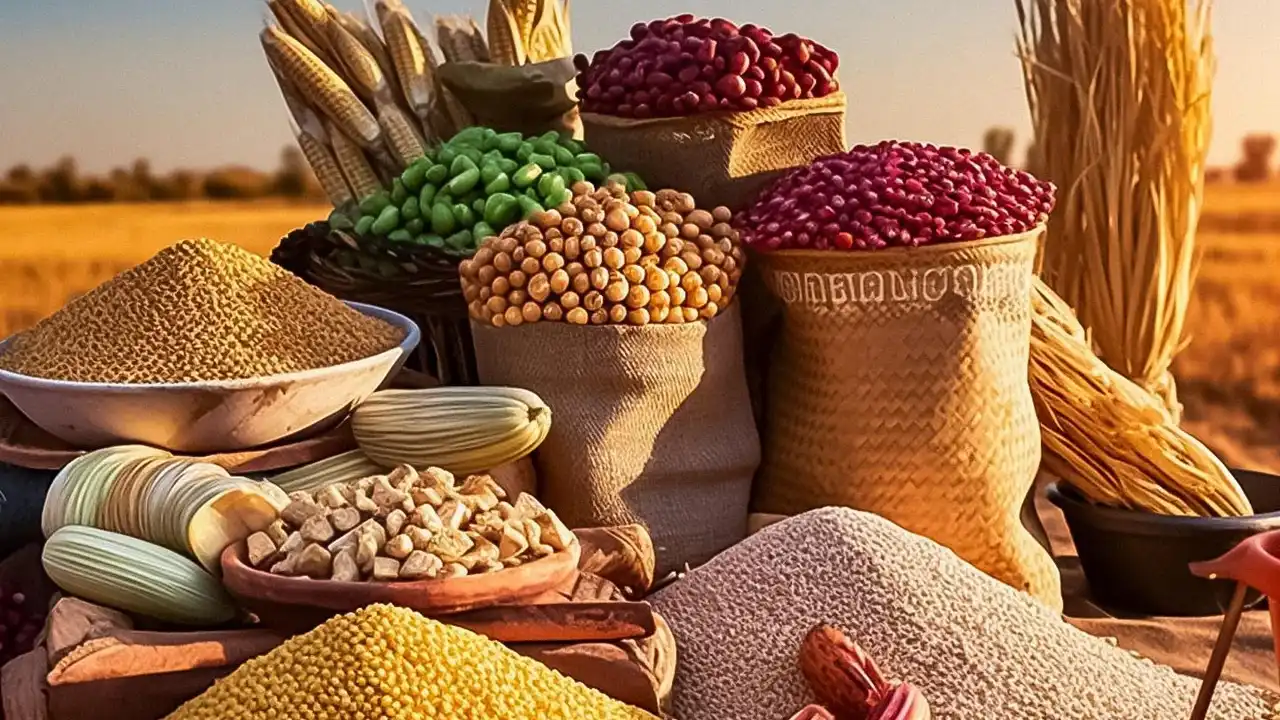
The monsoon's performance is critical for India's Kharif (summer) crops, which are sown during this period. The uneven and deficient rainfall created significant moisture stress for key rain-fed crops like rice, pulses, oilseeds, and cotton. The total area sown under Kharif crops saw a decline as a direct result of the poor start to the monsoon. While sowing picked up in some areas after July's improved rainfall, the subsequent dry spells in August and September occurred during crucial growth stages, affecting potential yields. States like Karnataka, Andhra Pradesh, and Telangana have been particularly affected, with some farmers reporting yield drops of up to 20% in crops like rice. This has prompted concerns about overall agricultural output for the year, with some rating agencies revising down their growth forecasts for the farm sector.
Reservoirs and the Rabi Outlook
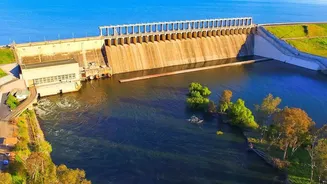
The consequences of a weak monsoon extend beyond the summer harvest. It plays a vital role in replenishing the country's major water reservoirs. As of late September, water levels in India’s 178 major reservoirs were at their lowest for this time of year in a decade, standing at about 70% of total capacity. This is a significant concern for the upcoming Rabi (winter) crop season, which relies heavily on stored water for irrigation. Depleted soil moisture and low reservoir levels, especially in the south, could delay sowing and affect the production of crucial winter crops like wheat, mustard, and chickpeas. With El Niño expected to remain strong, the outlook for winter rainfall is also subdued, adding another layer of uncertainty for farmers.
Pressure on Prices and the Economy
A shortfall in agricultural production inevitably puts upward pressure on food prices. Food inflation had already accelerated to 5.95% in August, and the effects of the weak monsoon are expected to keep prices elevated. This directly impacts household budgets, particularly in rural areas where incomes are closely tied to the agricultural economy. Weaker farm incomes can lead to a slowdown in rural consumption, which has a ripple effect on other sectors like retail and manufacturing. To manage the situation, the government has taken several pre-emptive measures. These include releasing food stocks, managing exports of commodities like rice and sugar, and cutting import duties on items like edible oils and some pulses to bolster domestic supply and curb rising prices. Despite these actions, economists warn that upside risks to food inflation will persist through the second half of the financial year.