


The Foundation: Personal Hygiene
Before any food is touched, safety begins with the staff. According to FSSAI guidelines, all food handlers must be in good health and undergo annual medical check-ups. Anyone feeling unwell, especially with symptoms like fever, vomiting, or diarrhoea,
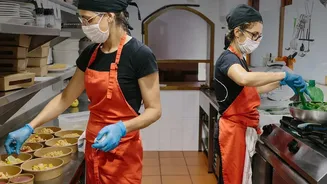
must not handle food. Daily personal cleanliness is critical. This includes mandatory handwashing with soap and warm water for at least 20 seconds before starting work, after using the restroom, after handling raw food, and after any break. Staff must wear clean protective clothing, including head coverings like hairnets, and any cuts or wounds must be securely covered. Jewellery, apart from a plain wedding band, is generally prohibited as it can harbour bacteria.
Stage 1: Receiving and Storing Supplies
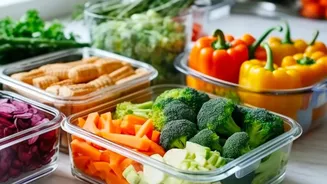
The hygiene chain starts the moment supplies arrive. All deliveries should be inspected for signs of spoilage or damage. Temperature-sensitive foods must be checked upon receipt; frozen goods should arrive at -18°C or below, while refrigerated items should be below 5°C. Once accepted, supplies must be stored promptly and correctly to prevent contamination. The 'First-In, First-Out' (FIFO) principle is essential to ensure older stock is used first, minimising spoilage. Raw meat, poultry, and seafood must be stored in sealed containers on the bottom shelf of the refrigerator to prevent their juices from dripping onto and contaminating other foods.
Stage 2: Preparation and Cross-Contamination Prevention
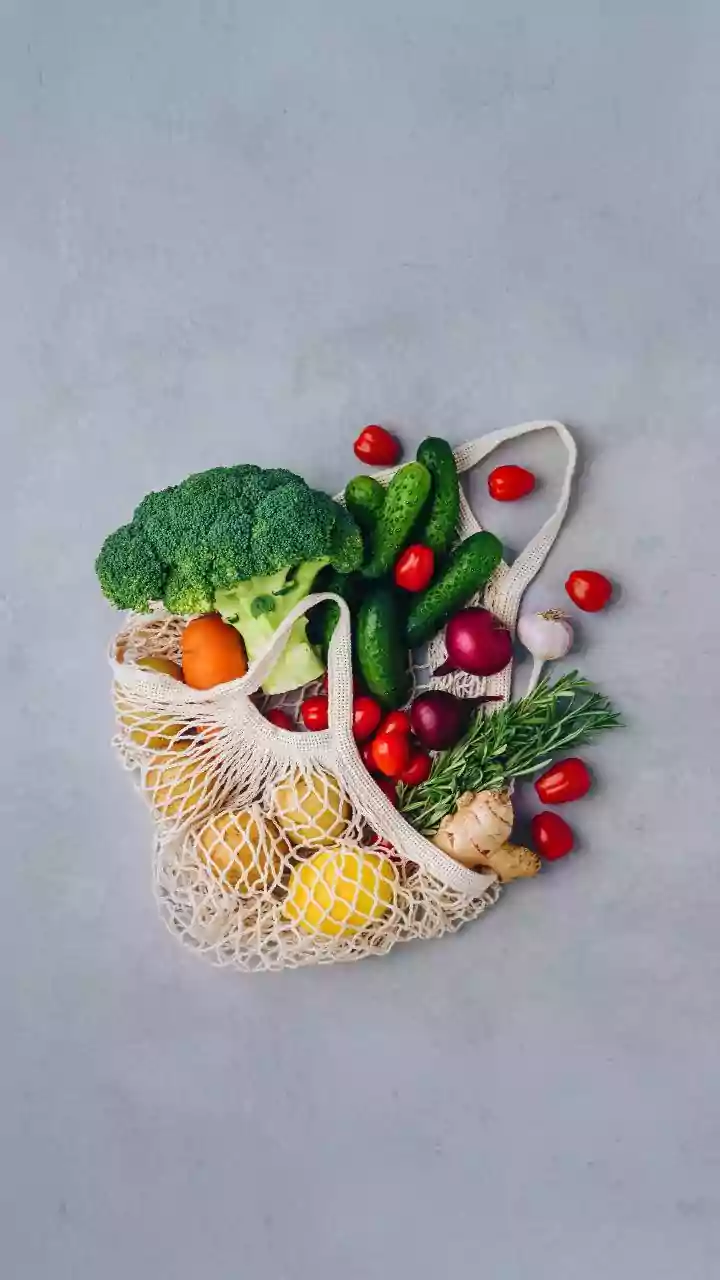
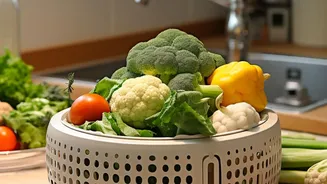
This stage is where cross-contamination, a leading cause of food poisoning, is most likely to occur. To prevent it, use separate cutting boards, knives, and utensils for raw and ready-to-eat foods. For instance, have a dedicated colour-coded system: red for raw meat, green for vegetables, and so on. Hands must be washed thoroughly after handling raw meat or poultry before touching anything else. All fruits and vegetables should be washed under running water to remove dirt and potential pathogens before they are cut or peeled. Work surfaces must be cleaned and sanitised before starting and after finishing a task, especially after working with raw ingredients.
Stage 3: Cooking and Temperature Control
Proper cooking is one of the most effective ways to kill harmful bacteria. Food must be cooked to the correct internal temperature. For meat and poultry, juices should run clear, not pink, and it's best to use a food thermometer to be certain. A critical concept here is the 'Temperature Danger Zone', the range between 5°C and 60°C where bacteria multiply rapidly. Cooked food should be kept hot (above 60°C) until served. If food is to be cooled, it must be done quickly—ideally from 60°C to 21°C within two hours, and then to below 5°C in the next four hours to minimise time spent in the danger zone. When reheating leftovers, ensure they reach an internal temperature of at least 74°C.
Stage 4: Serving and Holding
Once food is cooked, it must be protected from contamination before it reaches the consumer. Staff should use clean tongs, spoons, or gloves when handling ready-to-eat food, avoiding direct hand contact. Plates and service ware must be clean and sanitised. If food is being held for service, as in a buffet, it must be kept at a safe temperature—hot foods above 60°C and cold foods below 5°C. Sneezing, coughing, or even talking over food is prohibited, and sneeze guards are essential in self-service areas.
Stage 5: Cleaning and Sanitisation
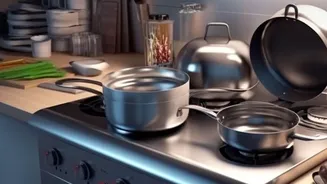
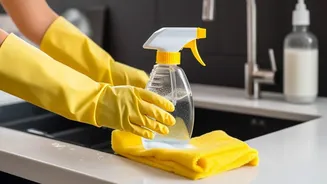
The final stage is a continuous loop. It's vital to understand the difference between cleaning and sanitising. Cleaning removes visible dirt and food particles using soap and water, while sanitising reduces the number of germs to a safe level using chemicals or heat. All food-contact surfaces, equipment, and utensils must be washed, rinsed, and then sanitised after each use. A common method for manual dishwashing is the three-sink system: one sink for washing with hot, soapy water; a second for rinsing with clean, hot water; and a third for sanitising in a chemical solution or hot water. Finally, all items should be air-dried, as wiping with a cloth can reintroduce germs.