



The Rise of Regenerative Travel
The idea is simple yet powerful: combine the adventure of kayaking with the purpose of environmental stewardship. Known informally as 'pladdling' (paddling and picking up litter), this form of eco-conscious tourism is taking root in Meghalaya, a state
celebrated for its natural splendour. It represents a shift towards regenerative travel, where visitors leave a place better than they found it. Instead of just passing through, tourists become temporary custodians of the very landscapes they've come to admire. This hands-on approach offers a deeper connection to the destination, transforming a typical holiday into a meaningful act of conservation. The concept taps into a growing desire among travellers to have a positive impact, turning leisure into a force for good.
Paddling with a Purpose on the Umngot
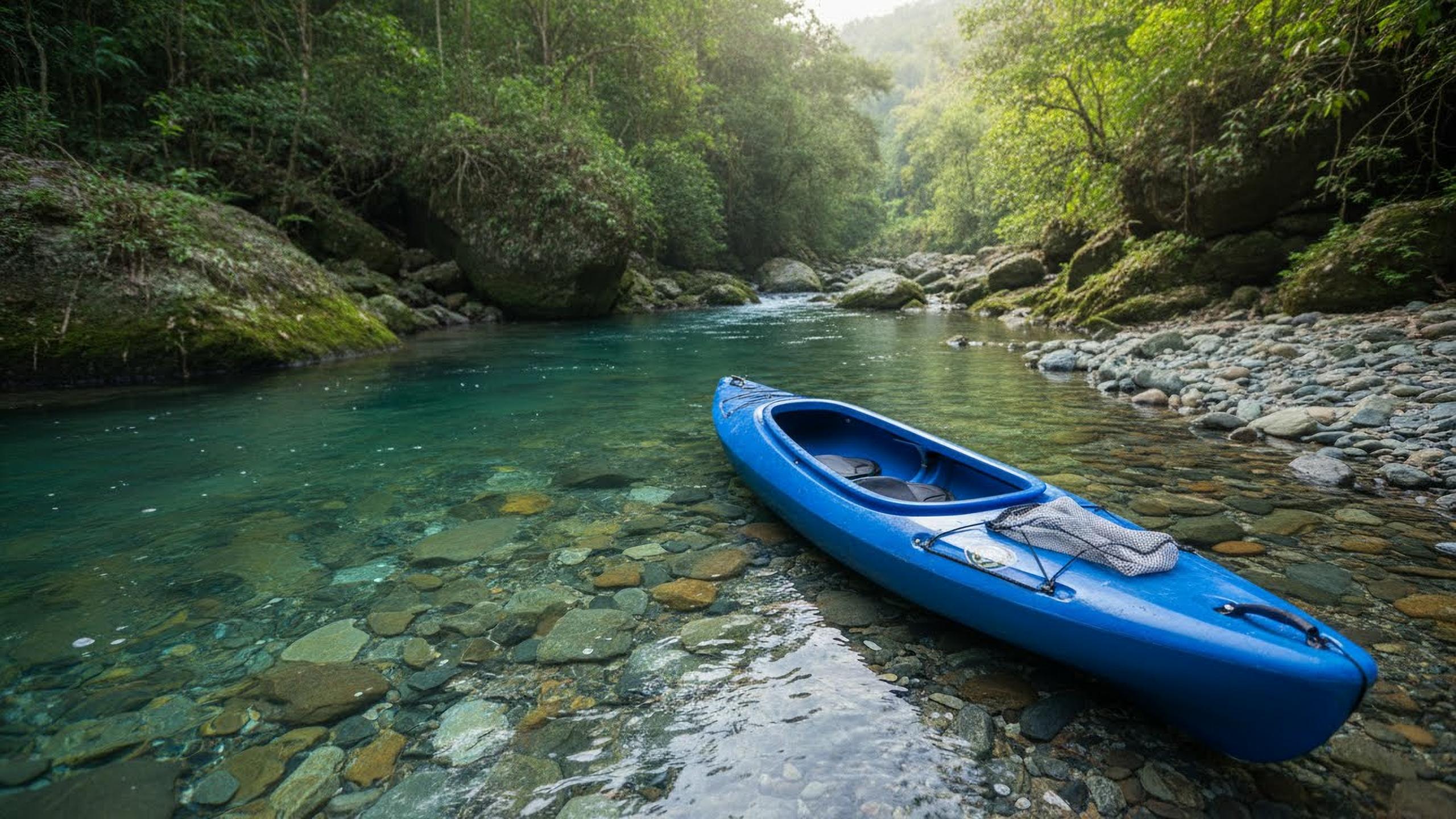
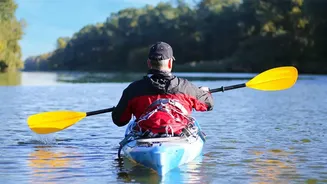
The epicentre of this movement can be found on the famed Umngot River, particularly near the villages of Shnongpdeng and Dawki. The river, renowned for its transparent waters that create the illusion of boats floating in mid-air, is a major tourist draw. However, the pressures of growing tourism and regional development have at times threatened its pristine condition, with instances of pollution raising alarm among local communities who depend on it for their livelihood. In response, local tour operators and community groups have started offering these special kayaking trips. Tourists are provided with kayaks, paddles, life jackets, and collection bags. As they navigate the stunning waterway, they are encouraged to paddle towards and collect any floating debris, such as plastic bottles and wrappers, that mar the river's surface. It’s a serene yet proactive way to engage with nature.
The Experience: From Tourist to Guardian
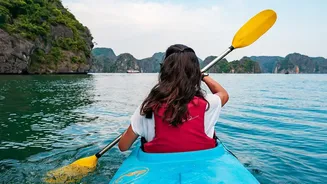
For a traveller, the experience is profoundly rewarding. A typical day begins with a safety briefing and basic kayaking instructions, making it accessible even for beginners. As you glide across the calm, emerald waters, surrounded by lush green hills, the activity feels less like a chore and more like a treasure hunt for a good cause. The quiet dip of the paddle is punctuated by moments of purpose—spotting a plastic bottle, steering towards it, and removing it from the water. Tour guides, often local villagers with an intimate knowledge of the river, share stories about the ecosystem and the importance of conservation. This interaction fosters a sense of shared responsibility and provides a unique insight into the local culture and environment, elevating the journey beyond simple sightseeing.
More Than Just a Clean-Up
The impact of these eco-kayaking excursions extends far beyond the collected waste. The initiative serves as a powerful educational tool, raising awareness about plastic pollution among both tourists and the wider community. It empowers local villagers by creating sustainable tourism models that place environmental health at their core. By choosing these tours, visitors directly contribute to the local economy in a way that incentivizes conservation. The sight of tourists actively cleaning the river also sends a strong message, fostering a culture of cleanliness and inspiring others to be more mindful of their environmental footprint. This grassroots effort complements the strong community-led cleanliness drives seen in other parts of the state, like the village of Mawlynnong.
How You Can Participate
Joining one of these clean-up paddles is straightforward. Several local tour operators and guesthouses in Shnongpdeng and Dawki offer these experiences. It is often best to inquire upon arrival, as many are run by small-scale local entrepreneurs. The best time to visit is generally between October and April, when the waters are calm and clear after the monsoon season. No special equipment is needed, as operators provide everything for the activity. Participants should simply bring a willingness to help and a desire to connect with Meghalaya's stunning environment in a truly unique and impactful way. These excursions are not just about what you see, but about the positive mark you leave behind.