
Embrace the Monsoon, Don't Fight It
The most crucial factor for an August trek in Uttarakhand is the monsoon. While many trails become risky due to landslides and slippery paths, some valleys are purpose-built for this season. The prime example is the Valley of Flowers, a UNESCO World Heritage
Site that reaches its peak bloom precisely between July and August. The monsoon showers are the very reason for its vibrant, flower-laden landscape. Experienced trekkers know that instead of avoiding the rain, the key is to choose a trail that thrives in it. While treks like Har ki Dun, Kuari Pass, and Kedarkantha are generally not recommended in peak monsoon due to safety concerns, the Valley of Flowers is considered relatively safe and is specifically designed for monsoon visitors.
Match the Trail to Your Timeline
A long weekend isn't a month-long expedition. Adventure lovers are masters of logistical triage, and for a three or four-day break, accessibility is paramount. The total trip duration, including travel to and from the trailhead, must fit the window. Treks starting from Govindghat, like the Valley of Flowers, are popular because the travel plan is well-established. A typical itinerary involves an overnight journey to Rishikesh or Haridwar, followed by a day's drive to the base camp area. The trek itself, from Ghangaria into the valley, is a day hike. This allows for a packed but manageable 4-day adventure. Shorter, more accessible treks like Nag Tibba or Kunjapuri are also considered manageable with caution during this period. The goal is to maximize time on the trail, not on unpredictable, monsoon-affected roads.
Define Your Idea of 'Fun'
The Independence Day weekend is one of the most popular times for travel, and mountain trails are no exception. Enthusiasts must decide what kind of experience they're seeking. Popular and accessible treks like the Valley of Flowers will likely be crowded. For some, this social atmosphere is part of the fun—a shared experience with fellow nature lovers. For others seeking solitude, it might be a drawback. An experienced trekker might opt for a less-famous, but equally beautiful, trail that sees fewer visitors. They might also choose to start their treks on weekdays leading into the weekend to avoid the main rush. This decision between a bustling, celebrated trail and a quiet, offbeat path is a key part of the planning process.
Prioritise Safety and Preparation
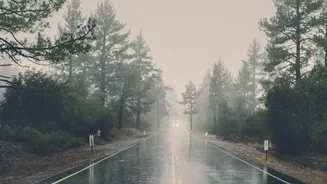
Trekking in the Himalayas during monsoon is not a casual affair, and seasoned adventurers treat safety as their top priority. This begins with acknowledging the real risks: slippery trails, potential landslides blocking roads, and swollen streams. The right gear is non-negotiable. This includes high-quality waterproof jackets and pants, trekking shoes with excellent grip, and waterproof bags for electronics and spare clothing. Furthermore, smart trekkers always book with registered, experienced local guides or operators. These guides possess invaluable, real-time knowledge of trail conditions and safe routes. Checking weather forecasts from reliable sources like the India Meteorological Department (IMD) and having buffer days in the itinerary for unforeseen delays are standard operating procedures for any serious enthusiast.