





Yoga: The Path to Calm and Clarity
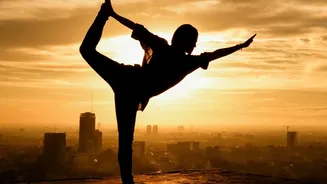
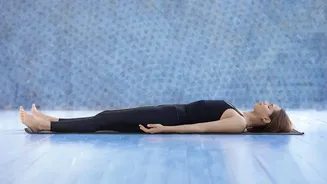
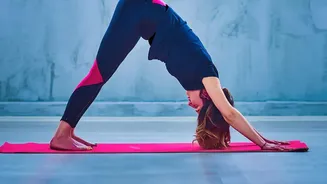
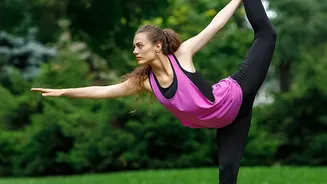
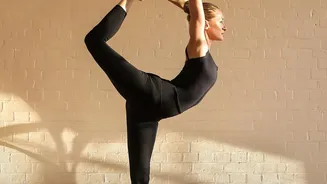
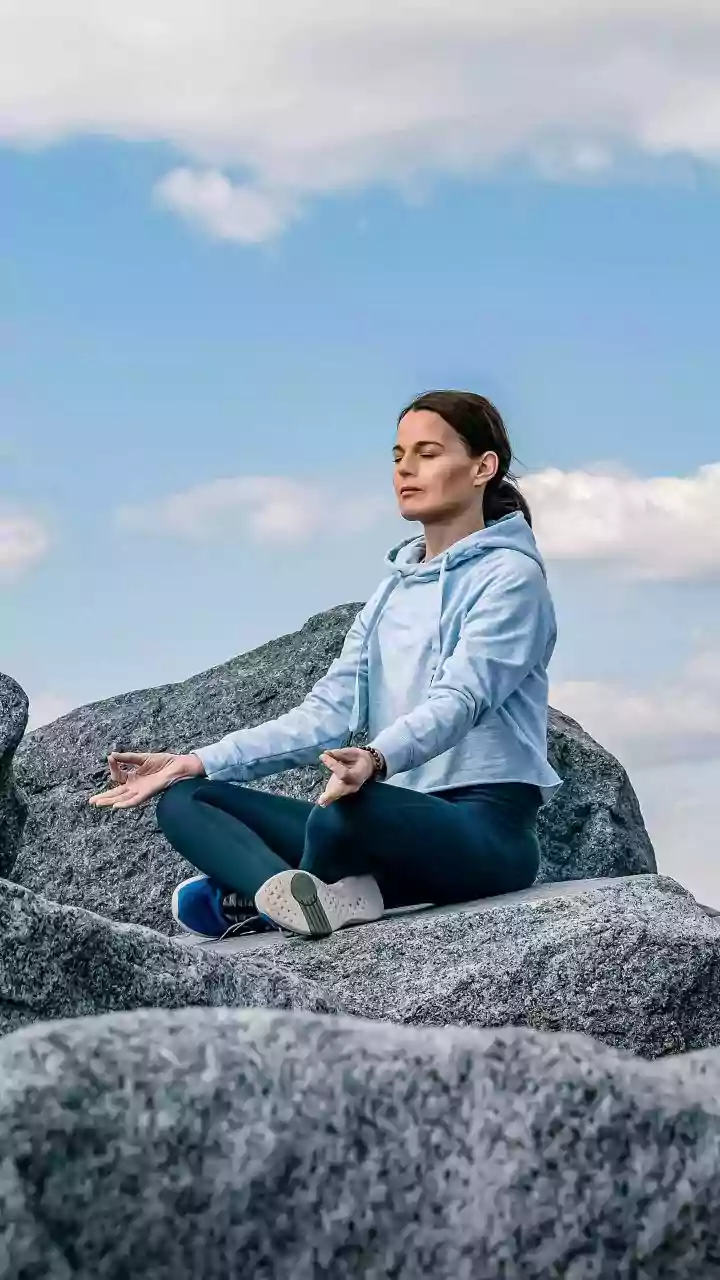
Yoga is widely celebrated for its profound calming effects. The practice's combination of controlled breathing (pranayama), sustained postures (asanas), and meditation works to quiet the mind. Scientifically, this is linked to its ability to lower cortisol,
the body's primary stress hormone. A regular yoga practice stimulates the parasympathetic nervous system—our 'rest-and-digest' mode—which helps counteract the 'fight-or-flight' response that fuels anxiety. This process is believed to increase levels of a brain chemical called gamma-aminobutyric acid (GABA), which is associated with a better mood and decreased anxiety. The focus on breath and body sensations anchors you in the present moment, offering a powerful escape from racing thoughts and worries. It’s less about an energetic high and more about achieving a state of mindful equilibrium and inner peace.
Dance: An Expression of Joy and Energy
If yoga is an internal journey, dance is an external celebration. It serves as a powerful expressive outlet, allowing individuals to release emotions through movement. The physical exertion of dancing increases heart rate and triggers the release of endorphins, the body's natural mood elevators and painkillers. But the benefits go deeper. Dance also boosts serotonin, a neurotransmitter crucial for regulating mood and warding off feelings of depression. Some studies have even found dance to be more effective at reducing symptoms of depression than walking, yoga, or strength training. The combination of music, movement, and self-expression activates the brain's reward centres, leading to feelings of pleasure and happiness that can linger long after the music stops.
The Power of Social Connection
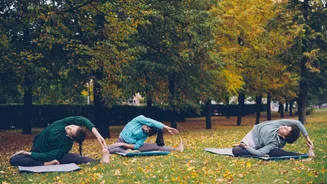
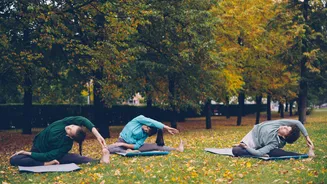
One of the most significant differences lies in their social dynamics. While yoga can be a communal practice, its focus is often deeply personal and introspective. Dance, on the other hand, frequently thrives on social interaction. Moving in synchrony with others, as often happens in a dance class, can create a powerful sense of belonging and collective joy. This shared experience is thought to trigger the release of oxytocin, often called the 'bonding hormone', which fosters trust and social connection. This sense of community and shared passion can be a potent antidote to loneliness and a key component of emotional well-being, making dance a highly social form of therapy.
Which Is Right for Your Mood Today?
Ultimately, choosing between yoga and dance depends on your personal needs and emotional goals for the day. If you are feeling overwhelmed, anxious, or mentally scattered, yoga offers a structured path to quiet your mind and ground yourself. Its focus on breath and mindfulness is ideal for stress reduction and achieving a sense of calm. Conversely, if you are feeling low, lethargic, or in need of an emotional release, dance could be the perfect choice. The energetic music, expressive freedom, and potential for social connection provide a potent combination to boost energy, elevate your spirit, and experience a rush of joy. A 2024 meta-analysis even found dance to be highly effective in reducing symptoms of depression.