






The Magnetic Mismatch
Step into any modern metropolitan kitchen, and you’ll likely find a sleek, black glass induction stovetop. Valued for their speed, safety, and energy efficiency, these cooktops have become a staple. But they operate on a principle that creates a fundamental
conflict with one of India’s most cherished cooking traditions: the terracotta pot. Induction technology works through electromagnetism. A copper coil beneath the glass surface generates a magnetic field, which induces an electric current directly within the base of the cookware. This process generates heat inside the pot itself, not on the stovetop surface. For this to happen, the cookware must be made of a ferrous (iron-based) material like cast iron or magnetic stainless steel. Traditional terracotta, or mitti ki handi, is made from natural clay. It is entirely non-magnetic and therefore invisible to an induction stove. Placing a classic clay pot on an induction burner results in… nothing. The stove won't activate, and no heat will be generated, leaving a frustrating gap between our culinary heritage and our modern appliances.
Bridging Tradition and Technology
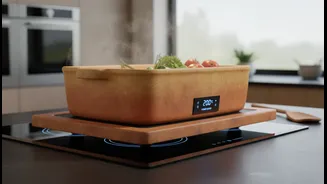
So, how do you solve this incompatibility? The answer lies in a simple yet brilliant design intervention: making the non-magnetic pot recognisable to the magnetic cooktop. Innovators and cookware designers have developed two primary solutions. The first, and most integrated, is to permanently bond a flat, ferromagnetic plate to the base of the terracotta pot. This plate, usually made of stainless steel or iron, acts as the crucial magnetic contact point. When the pot is placed on the induction stove, the magnetic field heats the metal plate, which then transfers that heat to the clay pot through conduction. The second method involves a separate accessory called an induction converter or interface disk. This is a flat, magnetic plate that you place on the induction hob, which then heats up. You can then place any non-induction cookware—be it terracotta, glass, or copper—on top of the heated disk. While this works, the direct integration of a magnetic base into the pot itself is a more seamless and efficient solution that manufacturers are increasingly adopting. Some modern clay pots are now designed from the ground up with a built-in magnetic stainless steel base, specifically for induction users.
Designing for Performance
Simply sticking a metal plate on a clay pot isn't enough. Thoughtful design is crucial to ensure the cookware performs well and lasts long. A key challenge is managing the different thermal expansion rates of clay and metal. A poorly designed base could detach or cause the clay to crack over time. High-quality manufacturers use advanced bonding techniques and select materials that can handle repeated heating and cooling cycles. Another consideration is heat distribution. One of the celebrated qualities of terracotta is its ability to heat slowly and evenly, preventing hot spots and scorching. The design of the induction base must support this. A thick, well-engineered plate ensures that the heat from the induction element spreads uniformly across the bottom of the pot, mimicking the gentle, all-encompassing heat that makes clay pot cooking so special. The shape of the pot also remains important; a flat bottom is necessary for maximum contact with the induction surface and the integrated plate.
The Enduring Appeal of Clay
With all this effort to adapt terracotta, one might ask: why bother? The answer lies in the undeniable benefits that have made clay pot cooking a beloved practice for centuries. The porous nature of clay allows for slow and even cooking, where heat and moisture circulate perfectly. This helps retain the natural juices of meats and vegetables, making food tender and flavourful without needing excessive oil. Many believe that the alkaline nature of clay helps to neutralise the pH balance of acidic foods, lending a subtle sweetness to dishes. Furthermore, this slow-cooking process helps preserve delicate nutrients that can be destroyed by the high, direct heat of metal pans. And of course, there is the distinct, earthy flavour that only a clay pot can impart—a taste of tradition that many find irreplaceable. By making these pots induction-friendly, designers are ensuring these culinary benefits are not lost to a generation of urban cooks.