






What Is ‘Form-Sensitive’ Travel?
For Indian travellers, planning a trip to Europe has always involved careful paperwork. But 'form-sensitive' planning in 2026 refers to a fundamental shift. It's less about physical paper forms and more about the absolute accuracy of your digital information.
The European Union is rolling out a suite of modernised border control systems designed to enhance security and efficiency. This means that every piece of data you submit—from your visa application to the information scanned from your passport at the border—is being cross-referenced in real-time. A single typo or a mismatch between your documents and your digital footprint could lead to delays or even a refusal of entry, making meticulous, detail-oriented planning more crucial than ever.
The New Digital Gates: EES
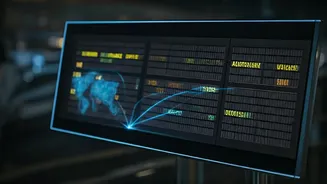
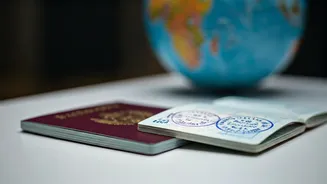
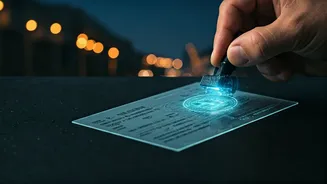
The most significant change impacting all Indian travellers is the full implementation of the EU's Entry/Exit System (EES). This automated system has replaced manual passport stamping at the borders of 29 Schengen countries. When you first enter the Schengen Area, you'll need to provide biometric data—specifically, your fingerprints and a facial image. This information is then linked to your digital travel record. For every subsequent entry and exit, the system automatically logs the date and place, precisely calculating the number of days you've spent in the zone. This enforces the 90/180-day rule automatically, making it virtually impossible to overstay, even accidentally. While it promises smoother border crossings for frequent travellers, the initial registration can take extra time.
Your Visa Goes Digital
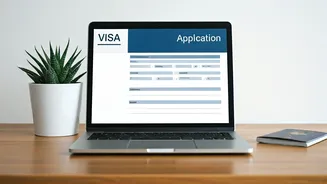
The familiar Schengen visa sticker in your passport is also on its way out, being replaced by a digital visa. The EU is transitioning to a single, unified online platform where travellers will submit their visa applications. This means uploading all necessary documents and paying fees online, which streamlines the process but also demands a higher level of digital diligence. Instead of a physical sticker, the approved visa will be a cryptographically signed 2D barcode linked to your passport. This digital visa will be stored in a central EU database, making verification at the border a matter of a quick scan. The rollout is expected to be phased in from 2026, becoming mandatory across all member states by 2028.
A Checklist for the Modern Traveller
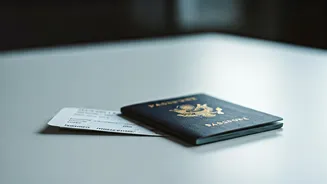
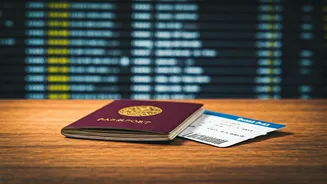
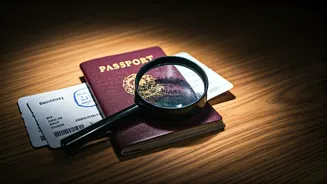
Navigating this new digital landscape requires a fresh approach to your pre-travel checklist. First, check your passport's validity; if you hope to secure a long-term visa under the new 'cascade' system (which offers a path to 5-year visas for trusted travellers), you'll need a passport with a long remaining validity. Second, ensure absolute consistency across all your documents—the name on your flight ticket must perfectly match your passport and visa application. Third, prepare for biometrics. Be ready for fingerprint and facial scans at the border. Finally, maintain a clear and coherent travel itinerary. With increased digital scrutiny, your travel plans must be logical and well-documented to ensure a smooth approval and entry process.