






More Than a Recipe, a Foundation
Let’s be honest: cooking rice feels like it should be simple, but the results are often disappointing. The reason many of us struggle is that we treat it like a chore rather than a technique. Mastering the art of plain steamed rice is not about learning
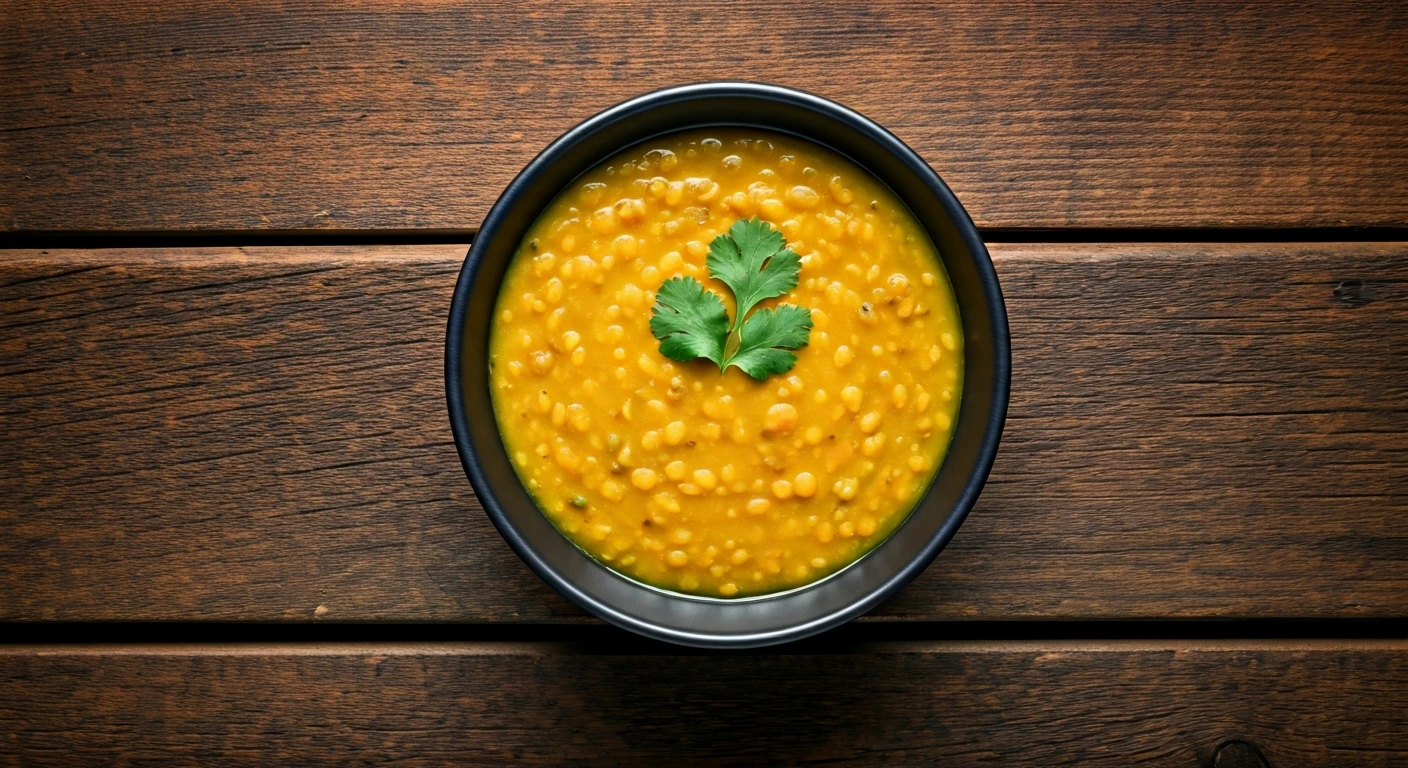
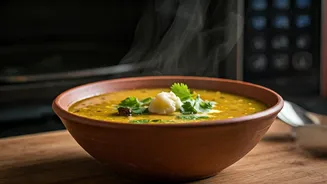
a single recipe; it's about understanding a fundamental method that unlocks countless culinary possibilities. Perfect, fluffy rice is the canvas upon which the best curries, dals, and sabzis are enjoyed. It elevates a simple meal into a satisfying experience. Getting this right is a kitchen superpower, and it’s easier to acquire than you think.
Start with the Right Grain
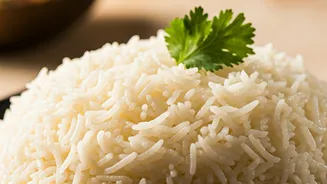
While this method works for most long-grain white rice, its true potential shines with aged, long-grain basmati. Why? Basmati rice is lower in starch and has a distinct, beautiful aroma. When cooked correctly, the grains elongate to nearly double their original length and remain separate and non-sticky. Look for bags that specify 'aged' or 'extra-long grain' for the best results. This isn't about being fussy; it's about setting yourself up for success. Good quality rice wants to be fluffy and delicious; our job is just to help it get there.
The Two Unskippable Prep Steps
If you take away only one thing, let it be this: rinse and soak your rice. This is not an optional step for a 'better' result; it is the core of the technique. First, rinse the rice in a bowl of cold water, swishing it around with your fingers. You’ll see the water turn cloudy. Drain and repeat this process 3-4 times, until the water is almost clear. This removes the excess surface starch that makes rice clump together. Second, soak the rinsed rice in fresh water for at least 30 minutes. Soaking allows the grains to hydrate evenly, which prevents them from breaking during cooking and ensures a tender, perfectly cooked result.
Nailing the Rice-to-Water Ratio
Forget generic advice and measuring with your knuckle. For the stovetop absorption method with soaked basmati rice, the golden ratio is 1 cup of rice to 1.5 cups of water. After soaking, drain the rice completely, getting rid of all the soaking water. Then, combine the drained rice and the fresh 1.5 cups of water in a pot with a heavy bottom and a tight-fitting lid. The heavy bottom prevents burning, and the tight lid is crucial for trapping the steam that will cook the grains. You can add a pinch of salt or a drop of oil at this stage if you like, but it’s not necessary for the basic technique.
The Cook: A Lesson in Patience
Place the pot on the stove and bring the water to a rolling boil over high heat. As soon as it boils, give the rice one gentle stir to ensure nothing is sticking to the bottom. Immediately reduce the heat to the lowest possible setting your stove has, and cover the pot with the tight-fitting lid. Now, the most important part: do not lift the lid. Let the rice simmer gently for exactly 12-14 minutes. The goal is to let the rice absorb all the water through gentle steam. Peeking will let the steam escape and ruin the process.
The Final Rest: Where the Magic Happens
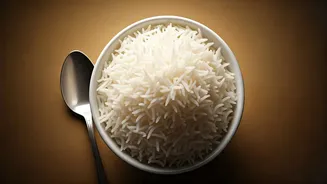
After 12-14 minutes, turn off the heat completely. But you're not done yet. Keep the lid on and move the pot off the hot burner. Let it stand, undisturbed, for another 10 minutes. This resting period is non-negotiable. It allows the residual steam to finish cooking the grains and helps any remaining moisture redistribute, ensuring every single grain is perfectly fluffy from top to bottom. Once the 10 minutes are up, open the lid—you’ll be greeted by perfectly cooked rice. Use a fork, not a spoon, to gently fluff the grains, separating them without mashing them. Your perfect rice is ready to serve.