


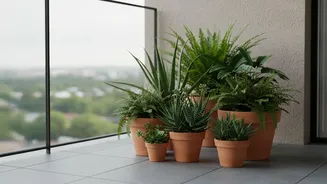
The Problem with a Packed Pot
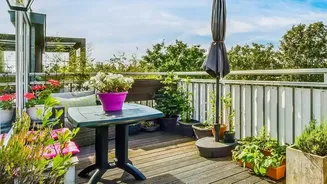
A dense, jungle-like balcony garden looks impressive, but beneath the surface, a battle is raging. When plants are too close together, they compete for the same limited resources: sunlight, water, and nutrients in the soil. This intense competition leads
to weak, spindly plants that are more susceptible to pests and diseases due to poor air circulation. In the confined space of a pot, overcrowding means no single plant gets what it needs to truly flourish. Instead of a few strong, healthy specimens, you end up with a crowd of struggling survivors. Thinning isn't about being cruel; it's about making a strategic choice to ensure the long-term health and beauty of your garden.
Signs Your Plants Are Overcrowded
Your plants will tell you when they feel cramped. One of the most obvious signs is weak, 'leggy' growth, where stems are long and thin with sparse leaves as they stretch desperately for light. You might also notice yellowing or browning leaves, especially lower down the plant, which indicates a lack of light and nutrients. Stunted growth, where plants simply stop getting bigger, is another major red flag. If you're watering constantly but the soil is always dry, the pot may be so full of roots that there's little soil left to hold moisture. Poor flowering or a lack of fruit production is a final sign that plants are spending all their energy on survival, not on producing a beautiful display.
How to Thin for a Healthier Balcony
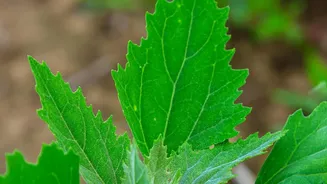
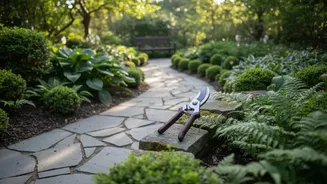
The method for thinning depends on the plant's age. For young seedlings that you’ve grown from seed, wait until they have developed their first one or two sets of 'true leaves'—the ones that look like a miniature version of the adult plant's leaves. Identify the strongest-looking seedling in each pot or cell and use a small, clean pair of scissors to snip the weaker ones off at the soil line. Pulling them out can disturb the delicate roots of the plant you want to keep. For established, overgrown plants, the process is more like selective pruning. Identify weaker stems or branches that are blocking light and airflow and trim them back to a main stem. In some cases, you might need to remove entire plants to give the others a chance to thrive.
Thin First, Then Address Pots and Fertiliser
It’s tempting to think a bigger pot or a dose of fertiliser will solve overcrowding, but this often makes the problem worse. Moving a root-bound mass into a much larger pot can lead to 'overpotting', where the vast amount of new soil stays wet for too long, causing root rot. Fertilising a crowded pot just feeds the competition, further stressing the plants. The correct order of operations is crucial: thin first. By removing the competition, you allow the remaining plants to access the existing resources. After thinning, wait a week or two and observe. You'll often see the remaining plants perk up and show new growth. Now you can accurately assess if they truly need a bigger pot or a feed. Thinning ensures that any fertiliser you add goes to a plant that can actually use it, leading to robust growth rather than a continued struggle.