



The Allure of Raging Rivers
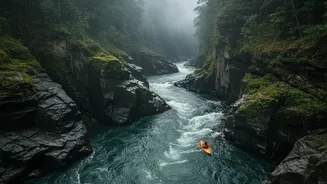
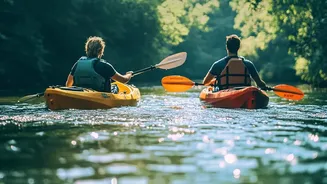
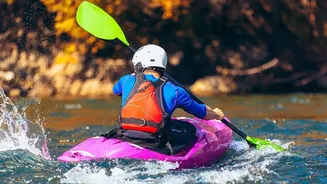
Canyon kayaking in Meghalaya during the monsoon is not for the faint of heart. It is an extreme sport that draws seasoned paddlers from around the globe. While rivers like the Umngot are known for their placid, clear waters in winter, the monsoon transforms
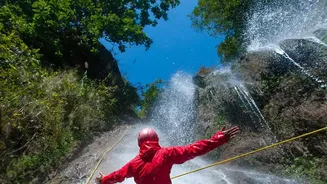
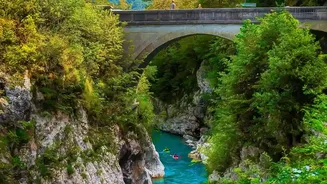
them into turbulent, sediment-filled torrents. For expert kayakers, these Class IV and V rapids offer the ultimate challenge, a raw, unfiltered encounter with nature at its most powerful. The state's unique geography, with steep gorges and deep valleys, creates a dramatic backdrop of roaring waterfalls and mist-covered cliffs, making for an unforgettable expedition.
The Predictability of Afternoon Downpours
The 'Abode of Clouds' has a distinct weather rhythm during the monsoon months of June to September. Mornings are often clear, calm, and relatively dry, offering a precious window for outdoor activity. However, as the day progresses, the heat and humidity build, culminating in heavy, often torrential, afternoon rains. This pattern is a kayaker's clock. An early start means paddling in the most stable conditions available, while a late departure means gambling with rapidly deteriorating weather. Visibility can drop within minutes as dense fog and low-hanging clouds roll into the valleys, making navigation treacherous.
The Unseen Danger: Flash Floods
The most critical reason for an early start is the risk of flash floods. Heavy rainfall in the hills and upper catchment areas, which may be miles away and out of sight, can send a sudden, violent surge of water down the canyons. Local authorities consistently warn that water bodies can swell exponentially without warning. These surges can fill a narrow gorge in minutes, turning a manageable river into a deadly trap with powerful currents and dangerous undercurrents. Even if it isn't raining where you are, a storm upstream dictates the conditions downstream. Local guides possess deep knowledge of these flash-flood patterns, which is why their guidance is essential.
Daylight is Your Most Valuable Asset
Navigating a complex canyon river requires maximum visibility to read the rapids, identify hazards like hidden rocks or siphons, and choose the safest lines. An early start ensures you have the maximum number of daylight hours to complete your journey. Delays are common in such challenging environments—a difficult portage, scouting a complex rapid, or a simple equipment issue can take longer than expected. Starting at dawn provides a crucial time buffer. Getting caught in a canyon after dusk, especially with failing light and rising water levels, is an emergency scenario that must be avoided at all costs. It compromises navigation and makes any potential rescue operation infinitely more difficult.
Smarter Logistics, Safer Exits
A canyon kayaking trip doesn't end when you get out of the river. Often, the exit points require a strenuous trek out of the gorge on trails that become incredibly slippery and hazardous when wet. Finishing your paddle by early afternoon, before the daily downpour begins, means you can navigate these exit routes in safer, drier conditions. An early start isn't just about the time on the water; it's about the entire logistical chain from put-in to the final extraction. It allows for a slower, more deliberate pace, reducing the pressure to rush and make risky decisions. It respects the rhythm of the monsoon, acknowledging that in Meghalaya, the weather has the final say.