




What Does ‘Fibre-Forward’ Really Mean?
This isn't about eliminating beloved staples like rice and roti. Instead, the fibre-forward trend is about a conscious upgrade. It’s a move away from highly refined grains like white rice and maida towards whole, unprocessed alternatives. Think of it as
a return to roots, where the nutritional value of an ingredient is just as important as its taste. The focus is on increasing the intake of both soluble and insoluble fibre, which aids digestion, helps regulate blood sugar, and keeps you feeling full for longer. This shift addresses a documented "fibre gap" in many modern Indian diets, which have increasingly relied on processed carbohydrates.
The Grand Return of Millets
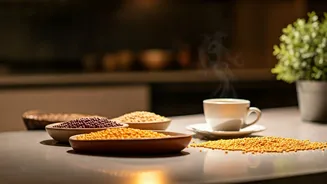
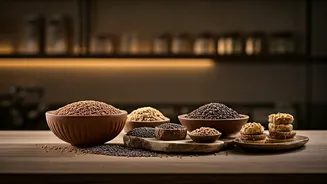
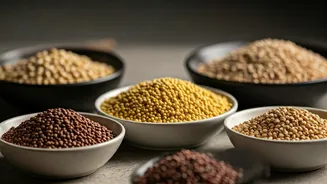
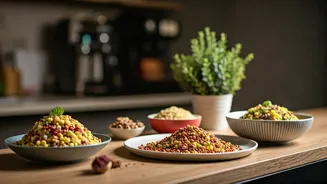
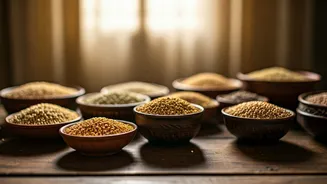
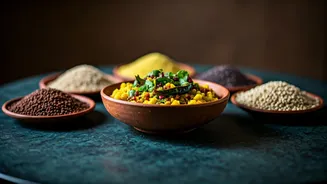
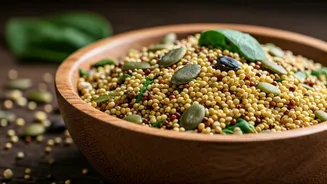
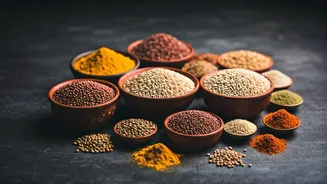
At the heart of this trend is the remarkable comeback of millets. Once dismissed as "poor man's food" and overshadowed by wheat and rice during the Green Revolution, ancient grains like ragi (finger millet), jowar (sorghum), and bajra (pearl millet) are now being celebrated as superfoods. Rich in fibre, protein, and essential minerals, these hardy grains are finding their way back into urban kitchens. This revival is partly driven by a renewed appreciation for their health benefits, especially for managing lifestyle diseases like diabetes. Government initiatives, like the UN's "International Year of Millets" pushed by India, have also played a significant role in boosting their popularity.
From Ancient Grains to Everyday Plates
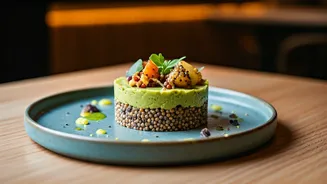
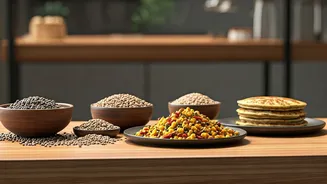
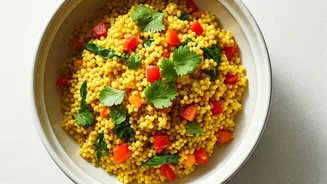
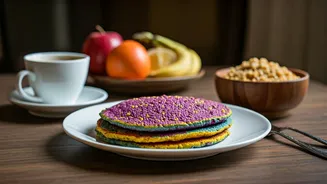
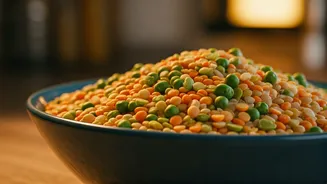
The fibre-forward movement goes beyond just millets. There's a growing interest in a diverse range of traditional ingredients that are naturally high in fibre. This includes other ancient grains like barley (jau) and amaranth (rajgira), which were staples in Indian diets before the 1950s. Lentils and legumes, always a cornerstone of Indian cuisine, are also being appreciated for their high fibre content—from everyday dals to heartier options like rajma (kidney beans) and chana (chickpeas). Chefs and home cooks are creatively incorporating these ingredients into modern dishes. You'll now find ragi dosas, jowar pancakes, multi-grain rotis, and even millet-based salads and porridges on menus.
Why Now? A Mix of Health and Heritage
Several factors are driving this shift. A greater awareness of health and wellness is a primary motivator, with many Indians proactively seeking diets that can help manage weight and prevent chronic illnesses. People are choosing foods that make them feel good after a meal, not just during it. There's also a growing sense of cultural pride and a desire to reconnect with traditional food wisdom. This trend isn't just about nutrition; it's about embracing ingredients that are sustainable and well-suited to the Indian climate. As chefs and food influencers champion these forgotten grains, they are making them aspirational for a new generation of diners.