


A Journey of Flavours
Parsi cuisine is a delicious chronicle of migration and adaptation. When Zoroastrians fled Persia for India around the 8th century, they brought with them a rich culinary tradition. Once settled in Gujarat, they embraced local ingredients and techniques,
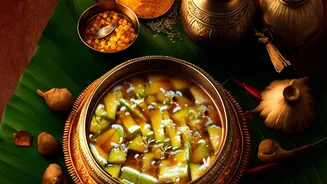
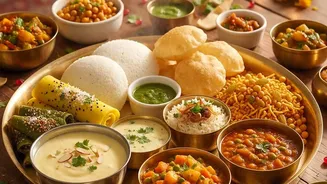
creating a unique fusion. Persian influences are seen in the use of nuts, dried fruits like apricots, and a love for meat dishes. From India, they adopted spices, coconut, and the art of the curry. This blend gave rise to a distinct culinary identity, cherished for its complexity and warmth. While famous for iconic meat dishes like Dhansak and Sali Boti, the cuisine also holds a special place for vegetables, often cooked in ways that are uniquely Parsi.
The Magic of 'Khattu-Mithu-Teekhu'
At the heart of many Parsi dishes lies a holy trinity of flavours: 'khattu-mithu-teekhu', or sour, sweet, and spicy. This perfect balance is what gives the food its signature profile. Vinegar or lime provides the sour kick, jaggery or sugar lends a gentle sweetness, and a careful blend of chillies and spices brings the heat. This philosophy applies to everything from meat curries to vegetable preparations, creating a layered and deeply satisfying taste experience. It’s a culinary signature that turns simple ingredients into something extraordinary, reflecting a culture that has mastered the art of finding harmony in diversity.
Kathal: The Vegetarian's Delight
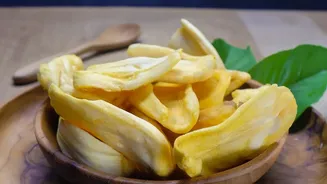
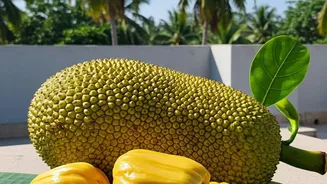
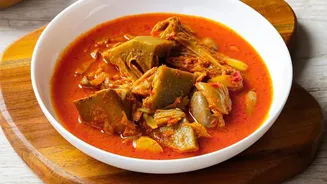
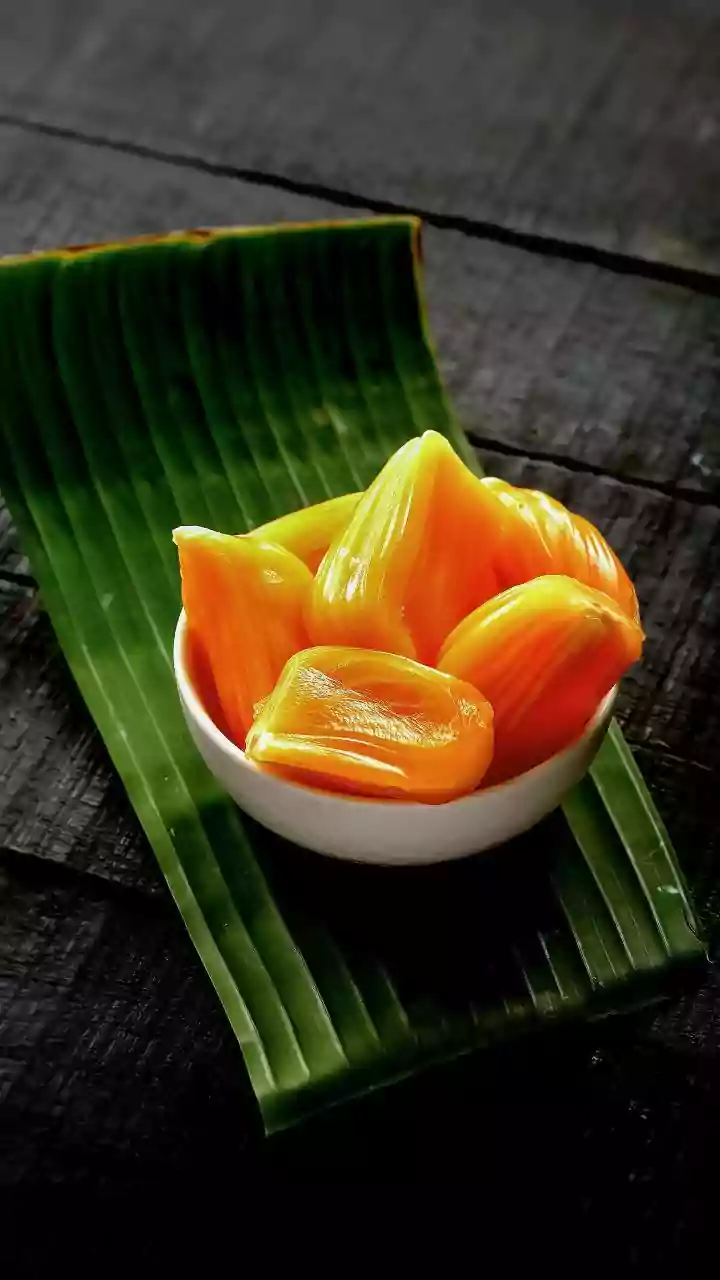
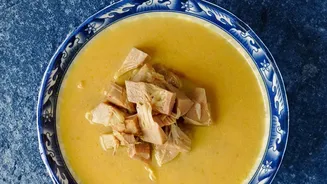
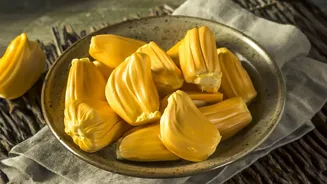
Enter the humble Kathal, or raw jackfruit. Long before it became a global vegan sensation, raw jackfruit was celebrated in India as 'vegetable meat' for its fibrous, toothsome texture that beautifully absorbs spices. Native to India's Western Ghats, it's a versatile ingredient used in everything from pickles to biryanis. In Parsi cooking, which traditionally favours meat and eggs, Kathal provides a wonderful canvas for their bold flavours. When cooked in a Parsi masala, the jackfruit transforms, taking on the rich, complex notes of the spices and aromatics, making it a beloved dish even in a largely non-vegetarian repertoire.
The Ninety-Year Legacy in a Pot
The 'ninety-year' legacy in the headline isn't just about a single, dated piece of paper. It represents generations of oral tradition, of mothers and grandmothers passing down techniques and flavour secrets in the kitchen. It’s in the muscle memory of knowing just how much spice to add, the patience of slow-cooking a curry until the oil separates, and the stories shared over a simmering pot. This legacy means that a simple Kathal curry is never just a meal; it’s a connection to the past. It’s the taste of festive occasions, of Sunday lunches, and of a heritage meticulously preserved not in a museum, but on a dinner plate. Each family has its own nuances—a secret spice, a particular way of frying onions—that make the recipe uniquely theirs.
Bringing the Legacy Home: A Parsi Kathal Recipe
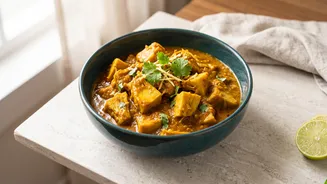
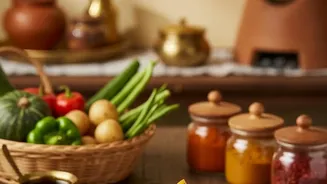
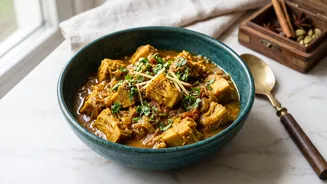
While every family’s recipe is unique, the spirit of Parsi Kathal can be captured with key ingredients. Start by shallow frying chunks of raw jackfruit until golden brown. In a separate pan, prepare the base by caramelising plenty of sliced onions, then adding ginger-garlic paste, tomatoes, and a classic Parsi spice blend: turmeric, red chilli powder, coriander powder, and garam masala. The key is the balance. Introduce a touch of sourness with vinegar and sweetness with a pinch of jaggery or sugar. Add the fried jackfruit back to this fragrant masala, along with a little water, and let it simmer until the Kathal is tender and has absorbed all the flavours of the gravy. Garnish with fresh coriander and serve hot with fluffy rotis.