



Understanding the Plating Process
Before diving into care tips, it's helpful to know what gold-plated jewellery is. It consists of a base metal, such as brass, copper, or sterling silver, that is coated with a very thin layer of gold. This layer is what gives the piece its lustrous appearance.
However, because this coating is often just a few microns thick, it is vulnerable to wear and tear. When the gold layer wears away, the base metal underneath can become exposed and react with air and moisture, leading to tarnishing or discolouration.
The Golden Rule: Last On, First Off
One of the most effective habits you can adopt is the 'last on, first off' rule. Jewellery should be the very last thing you put on after applying makeup, perfume, hairspray, lotions, and sunscreens. The chemicals and alcohol in these products can degrade the gold plating over time. Similarly, your jewellery should be the first thing you take off when you get home. This simple routine significantly minimises exposure to potentially damaging substances and preserves the finish.
Avoid Moisture at All Costs
Water is a primary enemy of gold-plated coatings. Always remove your jewellery before showering, swimming, or washing dishes. The chlorine in pool water and the salt in seawater are particularly harsh and can quickly strip the plating. Even the sweat from a workout can be damaging due to its salt and acidity. If your jewellery does get wet, be sure to dry it immediately and thoroughly with a soft cloth to prevent moisture from seeping in and causing the base metal to oxidise.
Gentle and Regular Cleaning
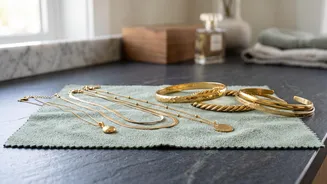
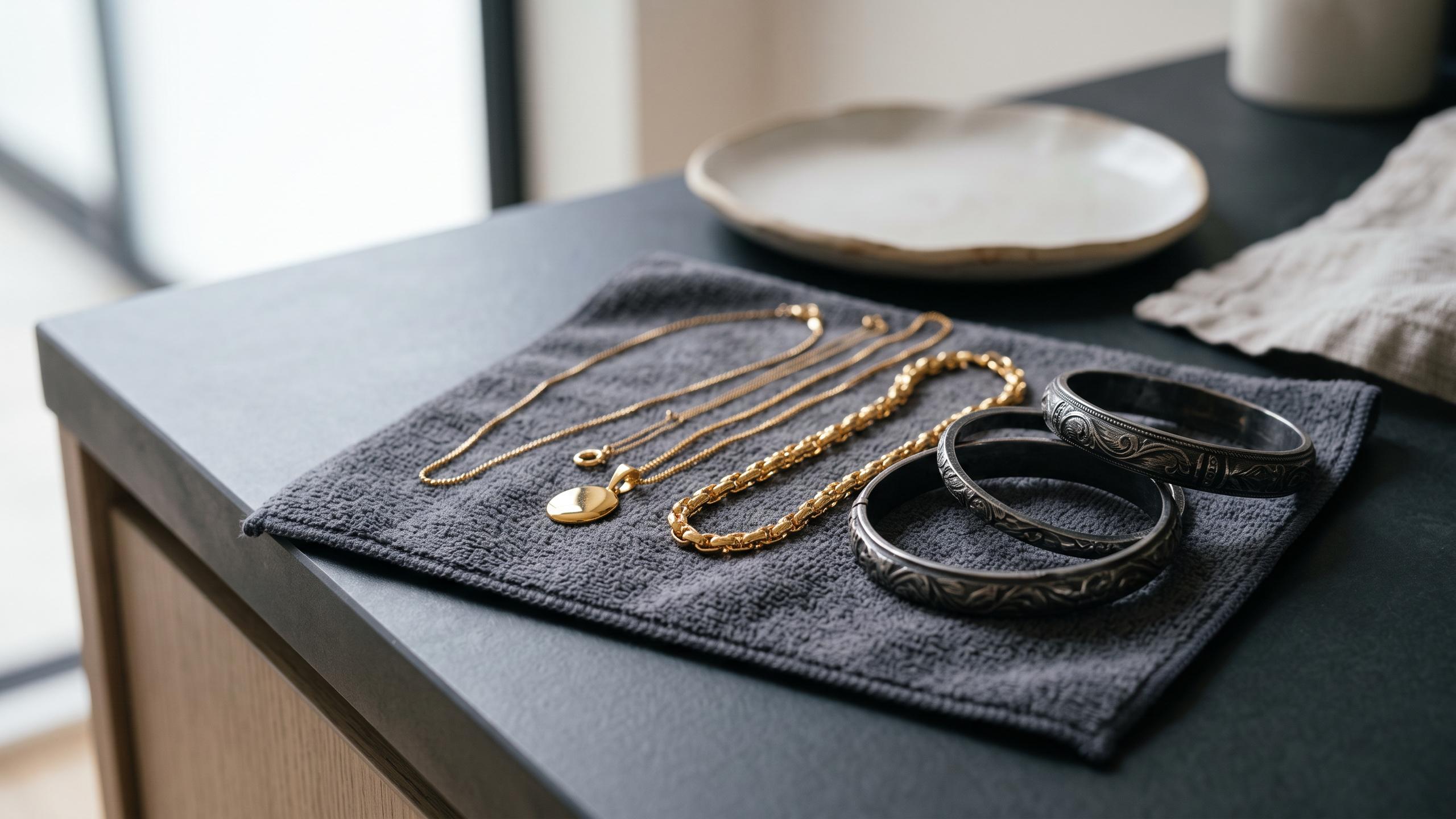
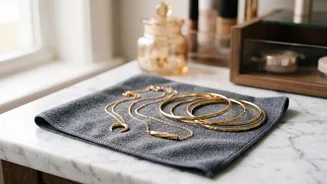
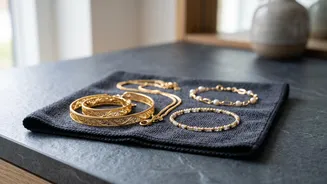
Regular cleaning removes the daily accumulation of oils and dirt that can dull your jewellery's shine. After each wear, a quick wipe with a soft, lint-free cloth is ideal. For a deeper clean, mix a few drops of mild, phosphate-free dish soap with warm water. You can soak the piece for a few minutes, but no longer than ten, then use a cotton swab to gently clean any intricate areas. Never use abrasive materials like toothpaste or baking soda, as these will scratch and strip the plating. Rinse the jewellery with clean water and pat it completely dry before storing.
Smart and Safe Storage
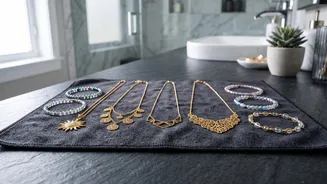
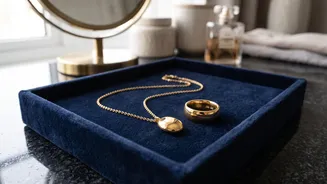
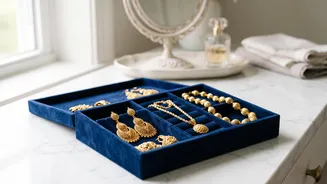
How you store your jewellery is just as important as how you wear it. Friction from pieces rubbing against each other can cause micro-scratches and wear away the plating. The best practice is to store each item separately in a soft pouch or a lined jewellery box with individual compartments. To combat humidity, which accelerates tarnishing, store your jewellery in a cool, dry place—never the bathroom. For extra protection, especially in humid climates, consider placing an anti-tarnish strip or a small silica gel packet in your storage container to absorb excess moisture.
When to Consider Re-Plating
Even with the most diligent care, the gold plating on a frequently worn piece will eventually thin over time. Rings and bracelets, which endure the most friction, often show wear first. The good news is that this doesn't mean the end for your beloved accessory. Many local jewellers offer professional re-plating services. This is an affordable way to restore your piece's original brilliant shine, allowing you to continue enjoying it for years to come.