





Secure Your Documents and Electronics
Before you even think about packing your clothes, secure your essentials. Keep your train tickets, ID cards, and any other important travel documents in a waterproof pouch or a transparent zip-lock bag. This not only protects them from rain but also keeps
them organised and easy to access. The same applies to your electronic devices. A sudden downpour while boarding or alighting can damage your phone, charger, or power bank. Using waterproof bags or even simple plastic bags as an inner lining for your backpack compartments can save you from a lot of trouble. Ensure your mobile phone and power bank are fully charged before you leave home, as delays are common during this season.
Choose the Right Footwear
Station platforms, footbridges, and train carriage floors can become extremely slippery during the monsoon. Choosing the right footwear is a critical safety measure. Opt for rubber sandals, waterproof floaters, or sneakers with a strong, anti-skid grip. These provide stability on wet surfaces and reduce the risk of slips and falls. Avoid wearing leather shoes, flip-flops, or any footwear that absorbs water or doesn't offer a firm grip. Having a comfortable, quick-drying pair of shoes will make navigating crowded, wet stations a much safer and more pleasant experience.
Pack Smart and Light
Monsoon travel calls for a specific wardrobe. Pack lightweight, synthetic, or blended fabrics that dry quickly, as humidity can prevent thicker materials like denim and heavy cotton from drying for days. Dark-coloured clothes are a practical choice as they can help hide mud or puddle splashes. Always carry a light raincoat or a poncho; it’s more effective than an umbrella in crowded spaces and windy conditions. It's also wise to pack extra sets of undergarments and a few plastic bags to store wet or soiled clothes separately from your dry belongings, keeping your luggage fresh.
Prioritise Health and Hygiene
The rainy season often brings an increased risk of water-borne and vector-borne diseases like dengue. A compact first-aid kit is non-negotiable. It should include antiseptic wipes, bandages, pain relievers, and any personal medications. Also pack hand sanitiser and mosquito repellent spray. When it comes to food and water, exercise caution. To avoid potential infections, it's safest to carry your own bottled water and home-cooked meals or dry snacks like granola bars, nuts, or khakhra. If you must buy food, opt for hot, freshly prepared meals from reliable vendors or FSSAI-approved services.
Protect Your Luggage
Even a short walk from a taxi to the station entrance can leave your luggage soaked in a downpour. Use waterproof backpacks or suitcases if you have them. If not, investing in a good-quality rain cover for your bags is a wise move. These covers are lightweight and can be easily stored when not in use. For extra protection, you can line your bag's interior with large garbage bags before packing. This creates an additional waterproof barrier, ensuring your clothes and valuables stay dry even if the outer layer of your luggage gets wet.
Stay Informed and Alert
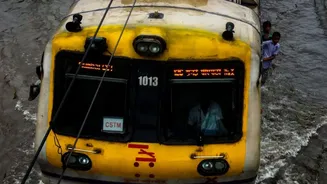
Monsoon weather can be unpredictable, often leading to train delays, diversions, or cancellations due to waterlogging or landslides. Before and during your journey, regularly check your train's status online or via railway apps. Always listen for announcements at the station regarding platform changes or schedule updates. For safety, stand behind the yellow line on the platform, as surfaces are slippery and passing trains can splash water with force. Avoid crossing railway tracks at all costs, and always follow the instructions given by railway staff for a secure journey.