





A Global Stamp of Excellence
The Blue Flag is one of the world's most recognised voluntary awards for beaches, marinas, and sustainable tourism boats. Run by the non-profit Foundation for Environmental Education (FEE), based in Denmark, the programme has been setting the benchmark
for sustainable coastal management since 1987. An iconic blue flag flying over a beach signals that the site has met a demanding list of criteria. It tells visitors that this is a place committed to high standards of environmental stewardship, safety, and water quality. It is not an award given lightly, and it represents a significant achievement in balancing tourism with ecological preservation.
The Konkan's Newly Honoured Shores
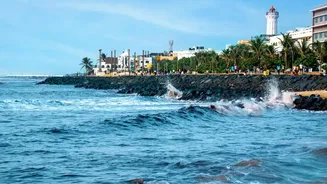
For the 2026-27 season, Maharashtra has made its debut on the Blue Flag map, with three beaches on the Konkan coast earning the prestigious certification. These are Ladghar and Guhagar beaches in Ratnagiri district, and Shrivardhan beach in Raigad district. This recognition puts a spotlight on the region's dedication to developing sustainable tourism. Ladghar is known for its reddish sands and dolphin-watching tours, Guhagar for its long, pristine stretch of white sand lined with casuarina trees, and Shrivardhan for its calm, crescent-shaped shoreline. These beaches join a select group of over 20 certified sites across India.
The Four Pillars of a Blue Flag
Earning a Blue Flag isn’t about subjective beauty; it's about passing a rigorous, 33-point inspection across four key areas. The first is Bathing Water Quality, which is non-negotiable. Water must test in the 'excellent' category, free from industrial and sewage contamination. The second pillar is Environmental Management. This includes keeping the beach clean, managing waste through segregation and recycling, controlling domestic animals, and protecting sensitive local ecosystems. The third is Environmental Education. Certified beaches must display information about local biodiversity and ecosystems and offer educational activities for the public. The final pillar is Safety and Services. This covers everything from having lifeguards and first-aid equipment available to providing clean drinking water, well-maintained restrooms, and safe access for visitors, including those with disabilities.
Award Status vs. 'Perfect Conditions'
This is the crucial distinction. A Blue Flag guarantees that a beach meets a high, internationally agreed-upon standard for safety, cleanliness, and environmental management. It is a certification of processes and quality control. What it does not guarantee is a visitor’s subjective idea of 'perfect conditions'. A Blue Flag beach can still be crowded on a holiday weekend. The waves might be too rough for swimming on a windy day. The weather may not always be sunny. The certification is an objective eco-label, not a promise of a five-star resort experience or empty shores. It’s a tool for travellers seeking responsibly managed and safe coastal environments, assuring them that what they see is backed by world-class operational standards.
A Commitment That Requires Renewal
Perhaps the most important aspect of the Blue Flag is that it is not a permanent title. The certification is awarded for only one season at a time. Each beach must reapply and requalify every single year to keep its flag. This ensures that standards don't slip. Local authorities and beach management committees must remain vigilant, continuously monitoring water quality, maintaining facilities, and running their educational programmes. This annual renewal process transforms the Blue Flag from a one-time prize into an ongoing commitment to excellence, demonstrating a long-term vision for the health of both the coastline and the community that depends on it.