



Embrace the Discard
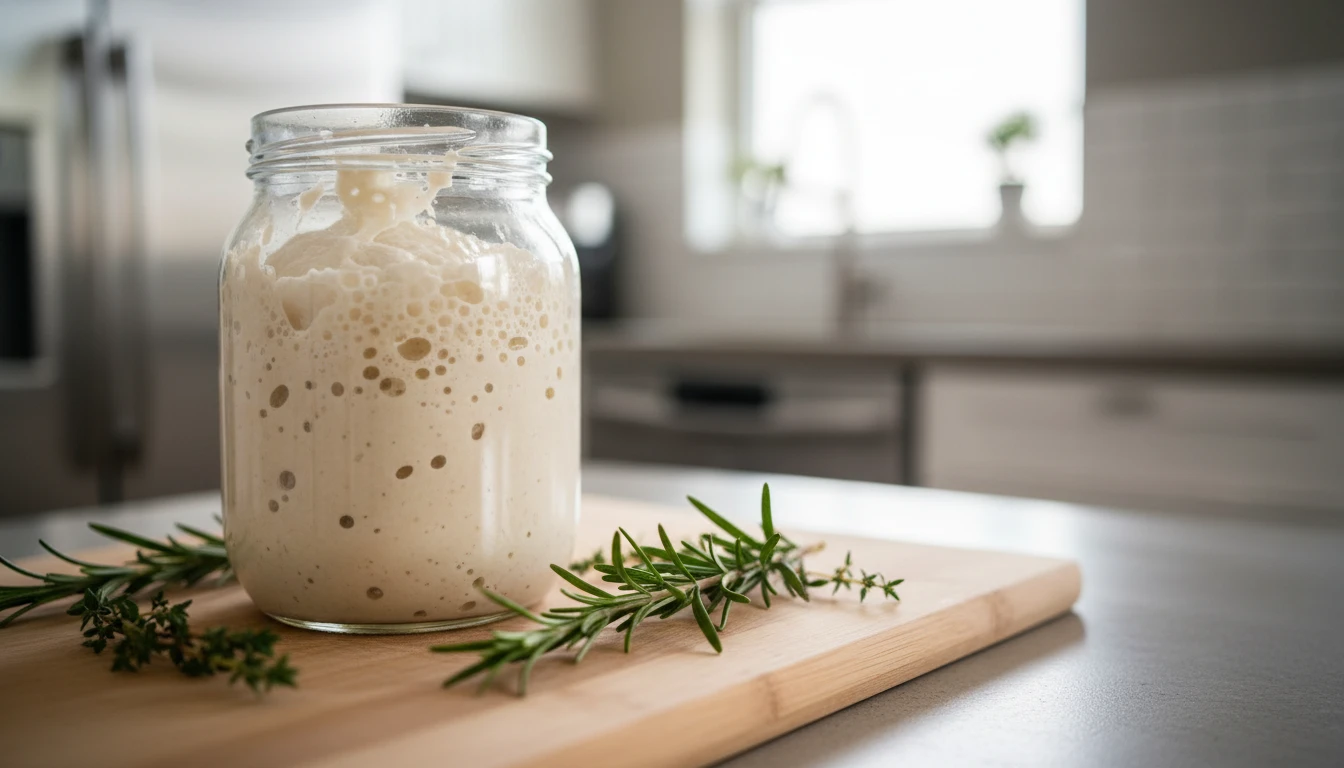
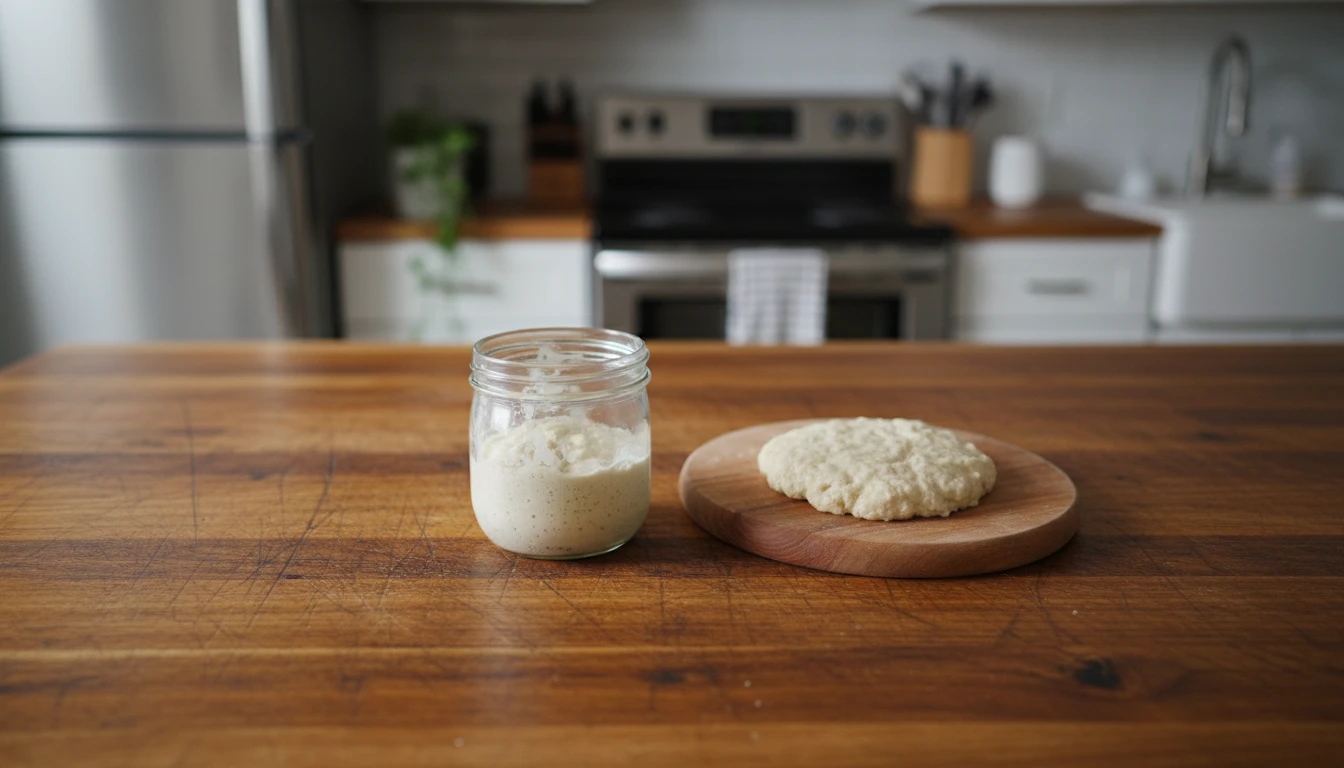
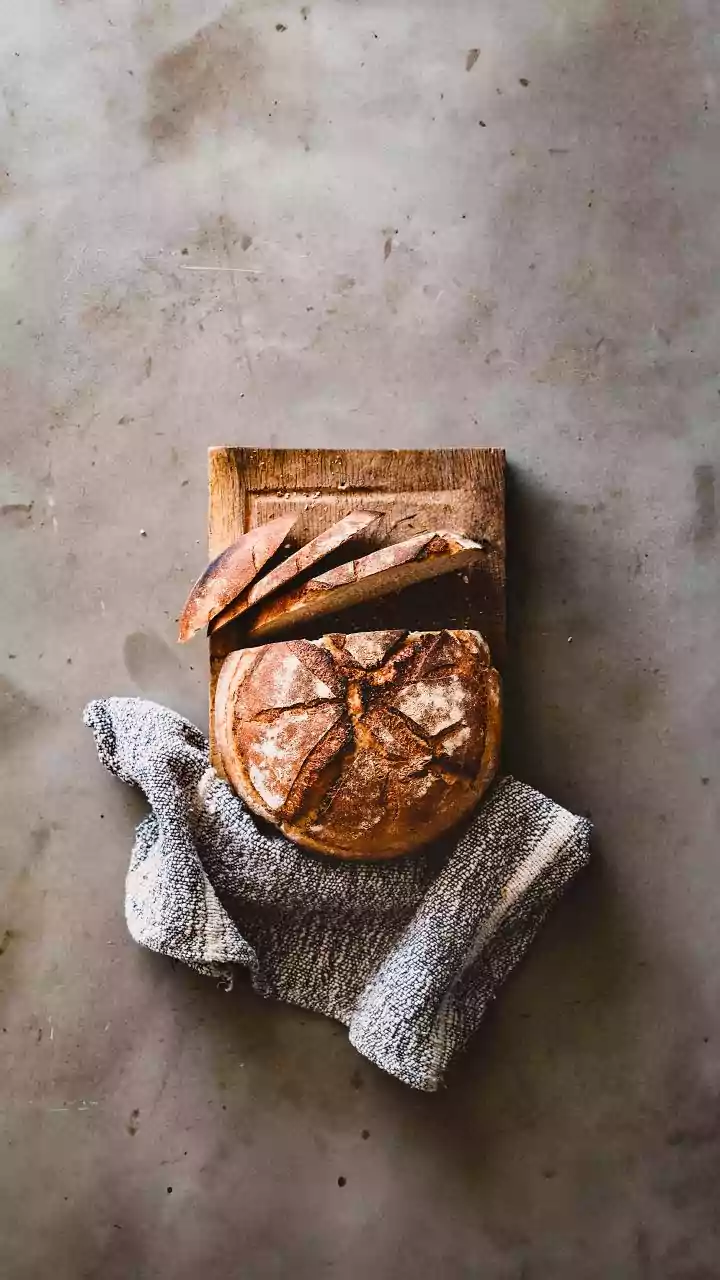
Sourdough discard is the portion of your starter that you remove before a feeding to keep it manageable and healthy. While the name implies waste, it's actually a treasure trove of flavour. This unfed, inactive starter is packed with a tangy, complex
taste that gets more pronounced over time. Instead of contributing to food waste, think of it as a bonus ingredient. By keeping a jar of discard in your fridge, you'll always have a flavourful base ready for a variety of quick recipes, from crackers to pancakes. Using discard is a cornerstone of a zero-waste kitchen, turning what would be thrown away into something delicious.
The Green Cooking Mindset
Adopting green cooking steps doesn't require a complete kitchen overhaul; it's about making small, conscious choices that add up. The primary goals are to minimize food waste and reduce energy consumption. Using sourdough discard is a perfect example of the first principle. For the second, focus on efficiency. This can mean baking in batches to maximize oven heat, using smaller appliances when possible, and reusing items like parchment paper. By combining a 'waste-not' attitude with energy-smart techniques, your snack-making becomes a much more sustainable practice.
Recipe 1: Speedy Discard Crackers
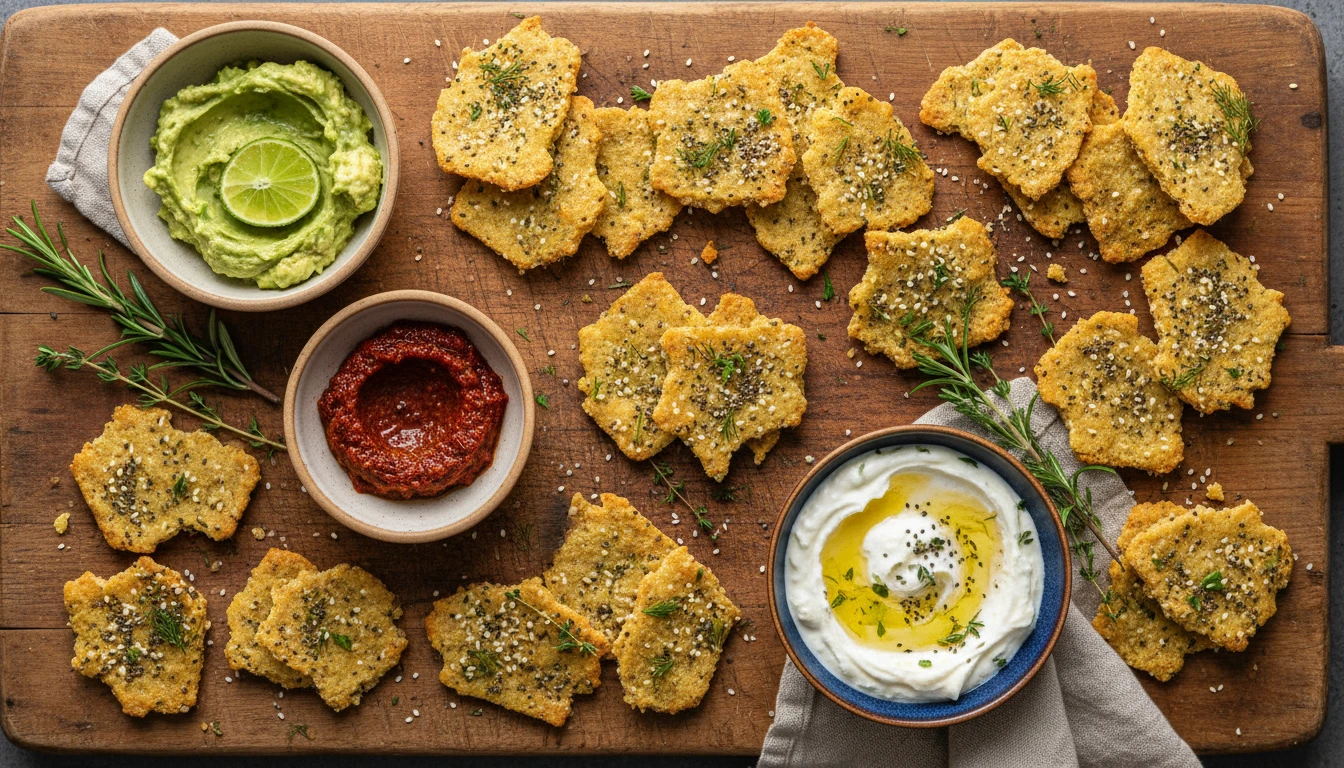
These crackers are incredibly simple and a fantastic way to use a large amount of discard. All you need are four basic ingredients: sourdough discard, melted butter or olive oil, salt, and your choice of herbs. Simply mix the ingredients together in a bowl, then spread the mixture as thinly as possible onto a sheet of parchment paper on a baking tray. Bake at around 160°C until golden and crisp. For a green touch, reuse your parchment paper from a previous baking session; it can often be used multiple times before it needs to be discarded. These crackers are perfect for dipping or adding to a cheese board.
Recipe 2: Savoury Scallion Pancakes
For a quick, satisfying, and shareable snack, sourdough scallion pancakes are a winner. The simplest versions require just mixing your discard with chopped scallions (green onions), a pinch of salt, and perhaps a little baking powder for lift. You then spoon the batter into a hot, lightly oiled pan and cook for a few minutes on each side until golden brown. This recipe is wonderfully adaptable. You can add other finely chopped vegetables you have on hand, like carrots or cabbage, to use up produce and prevent waste. Serve with a simple dipping sauce made from soy sauce and a splash of vinegar.
Recipe 3: Versatile Veggie Fritters
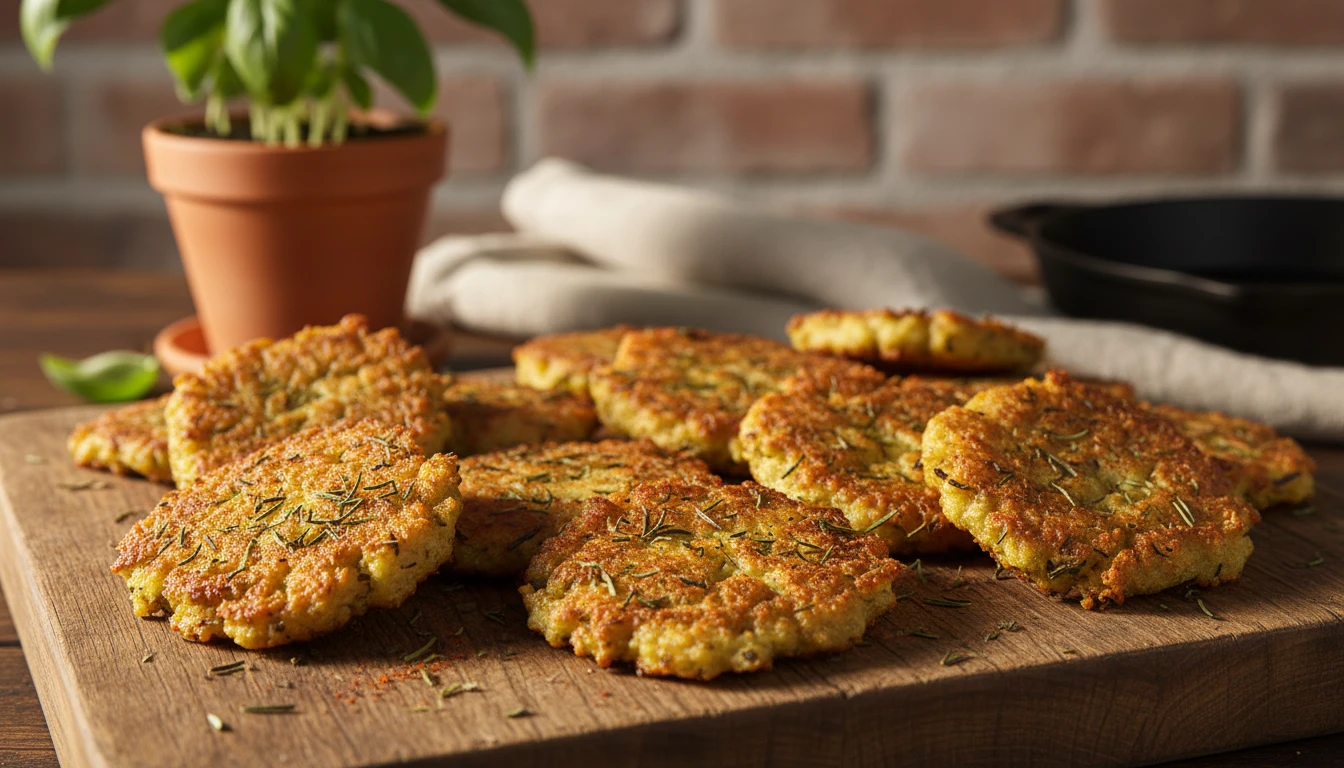
Fritters are the ultimate clean-out-the-fridge snack. Use your sourdough discard as the binding agent for a variety of leftover vegetables. Grated zucchini, corn kernels, leftover cooked greens, and chopped onions all work beautifully. Squeeze any excess moisture out of watery vegetables first. Mix your chosen veggies into the discard, season with salt, pepper, and spices, and pan-fry in a little oil until crispy and cooked through. This method not only uses your discard but also helps you make the most of every vegetable scrap, perfectly aligning with green cooking principles.
Energy-Efficient Baking Habits
Beyond the recipes, how you cook matters. When using your oven for crackers or other baked goods, try to bake in batches. Once the oven is hot, use its space to cook multiple trays of snacks or even another meal component to make the most of the energy used. For pan-fried items like pancakes and fritters, ensure you're using the right-sized burner for your pan to avoid wasting heat. Finally, consider air-drying washed equipment instead of using a heated dry cycle on a dishwasher, and cover pots to bring water to a boil faster. These small habits collectively reduce your kitchen's energy footprint.