







What is Hatha Yoga, Really?
Unlike the fast-paced, athletic Vinyasa flows that dominate many modern studios, Hatha yoga is the foundational, classical form of physical yoga. The term "Hatha" itself is often translated from Sanskrit with "ha" representing the sun and "tha" the moon,
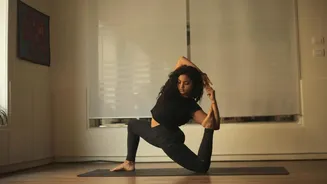
symbolizing a balancing of energies. In practice, Hatha yoga involves moving through postures (asanas) more slowly, often holding them for several breaths. This deliberate pace makes it accessible to beginners and people of all fitness levels. The emphasis isn't on speed or acrobatics, but on mindful alignment, controlled breathing (pranayama), and cultivating a deep connection between the body and mind. It’s this focus on internal harmony, not just physical exertion, that has caught the attention of those looking to extend their healthspan.
The Master Key: Taming the Stress Response
Chronic stress is a well-known accelerator of aging. It floods the body with the hormone cortisol, which, over time, can contribute to a host of health issues. Hatha yoga is a powerful tool for managing this response. Scientific studies have shown that a regular yoga practice can lower cortisol levels. Through a combination of mindful movement and deep breathing, Hatha yoga helps shift the nervous system from the frantic "fight-or-flight" mode to the restorative "rest-and-digest" state. This calming effect helps protect the body from the inflammatory and oxidative damage that contributes to aging, making stress reduction one of the most significant longevity benefits the practice offers.
Building a Body That Lasts
While the mental benefits are profound, the physical advantages of Hatha yoga are directly linked to a long and active life. By emphasizing slow, controlled movements and sustained holds, the practice systematically builds a resilient body. Key physical benefits include improved flexibility and mobility by keeping joints healthy and reducing stiffness. It also enhances strength and, crucially, balance, which is essential for preventing falls—a major health risk in later years. Furthermore, studies indicate Hatha yoga can offer cardiovascular support by helping to lower blood pressure and improve heart health. This combination of strength, flexibility, and balance creates a functional fitness that is vital for maintaining independence and quality of life as you age.
Sharpening the Mind for the Long Haul
Cognitive decline is one of the greatest fears associated with aging. Here again, Hatha yoga shows remarkable promise. Research has demonstrated that older adults participating in Hatha yoga programs showed significant improvements in cognitive functions like reaction time, memory, and task-switching ability compared to those doing other forms of stretching and toning exercises. The practice’s integration of breathwork, physical postures, and mindfulness enhances mental clarity and focus. By calming the nervous system and reducing stress, yoga creates an optimal internal environment for brain health. Some researchers believe the practice’s ability to reduce chronic inflammation also plays a role in preserving cognitive function over the long term.
Why It's a Sustainable Longevity Tool
Perhaps the greatest reason longevity creators have embraced Hatha yoga is its accessibility and sustainability. Unlike extreme diets or expensive biohacking trends, Hatha yoga is a low-impact practice that can be adapted for any age or physical condition. It doesn't require grueling effort, but rather consistent, mindful engagement. The focus is on creating balance and listening to your body, not pushing it to its absolute limit. This gentle approach means it’s a habit that can be maintained for a lifetime, providing cumulative benefits year after year. It's a practice that works with the body, not against it, fostering a state of holistic well-being that is the true foundation of a long, vibrant life.