


From Comfort to Consciousness
The classic Indian masala chai, boiled with milk, sugar, and spices, is more than just a drink; it's a cultural institution. It's the pause in a busy day, the welcome for a guest, and the fuel for countless conversations. However, as health consciousness
rises across the country, many are beginning to look at their daily cup with a more critical eye. The conversation is shifting from tea as a habit to tea as a component of a healthy diet. This change is part of a larger wellness trend that has seen urban Indians, in particular, re-evaluating their dietary habits, moving away from processed foods and towards more nutrient-rich options. The traditional chai, often loaded with sugar and full-fat milk, is now being reconsidered, with many seeking healthier ways to enjoy their favourite beverage.
The Rise of Wellness Teas
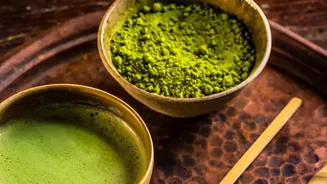
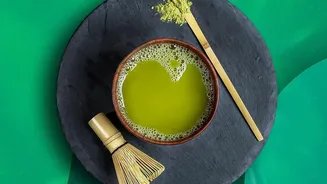
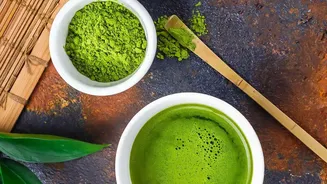
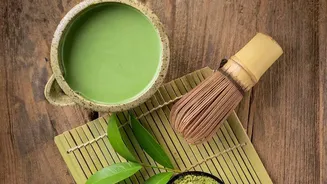
This growing nutritional awareness has fueled a massive surge in the popularity of green, herbal, and other wellness-focused teas. The Indian herbal tea market is projected to grow significantly, with some estimates predicting a compound annual growth rate of over 12% between 2026 and 2034. This boom is driven by consumers seeking specific health benefits, from boosting immunity to aiding digestion and promoting relaxation. Brands are responding with innovative blends featuring ingredients like tulsi, ashwagandha, turmeric, and ginger, which are rooted in traditional Indian medicine. This trend isn't just about hot tea; the ready-to-drink (RTD) tea market has also seen explosive growth, with fruit-infused and wellness-oriented options like kombucha and blue pea tea gaining traction among younger, urban consumers.
Green vs. Black: What Do Experts Say?
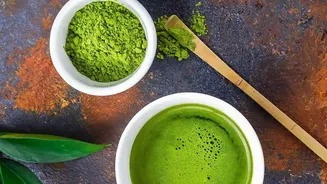
With the rise of wellness teas, the debate between green tea and traditional black tea has intensified. Both come from the same plant, Camellia sinensis, but their processing differs. Black tea is oxidised, which gives it a robust flavour, while green tea is not, preserving a higher concentration of certain antioxidants like EGCG. Nutritionists point out that neither tea is definitively 'healthier'—it depends on individual goals. Green tea is often associated with metabolism support and high antioxidant content. Black tea, on the other hand, also contains beneficial compounds called theaflavins and has been linked to heart health benefits, such as improved blood pressure. Both teas are rich in flavonoids, which support heart health, and both are a far better choice than sugary, carbonated drinks.
Making Your Daily Chai Healthier
For those who can't part with their traditional chai, nutrition experts suggest that small changes can make a big difference. One of the primary health concerns with typical chai preparation is the high sugar content, which can contribute to increased calorie intake and other health issues when consumed multiple times a day. Simple adjustments like reducing or replacing refined sugar with a small amount of jaggery, using skimmed milk instead of full-fat, and not over-boiling the tea can significantly improve its nutritional profile. Experts also advise against drinking tea on an empty stomach to prevent acidity and being mindful of portion sizes. The key is conscious consumption, turning the daily ritual into a more mindful and health-supportive practice without sacrificing the comfort it provides.