







The Limits of Sleep Apps
Sleep tracking apps have become incredibly popular, offering to analyze our sleep cycles using a phone's microphone and motion sensors. While they can be useful for raising awareness about your bedtime habits and encouraging a more consistent schedule,
their accuracy has limitations. Most apps and even many wearables are good at telling if you're asleep or awake, but they struggle to accurately identify specific sleep stages like light, deep, and REM sleep compared to clinical studies. This can sometimes lead to a false sense of security or, conversely, create 'sleep anxiety' where users become fixated on achieving a perfect score. Relying solely on an app ignores the bigger picture of sleep hygiene.
Master Your Phone’s Built-in Tools
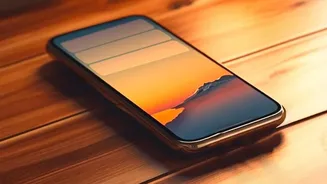
Your smartphone already has powerful features designed to reduce its negative impact on sleep. The most critical one is a blue light filter, often called 'Night Shift' on iPhones or 'Night Light' on Android devices. The blue light from screens can suppress the production of melatonin, the hormone that tells your body it's time to sleep. By shifting your screen to warmer, orange tones in the evening, you can mitigate this effect. Additionally, use 'Do Not Disturb' or 'Focus' modes to silence notifications. An alert from a work email or a social media app can jolt you into a state of alertness just when you should be winding down. Some phones also offer a 'Wind Down' or 'Bedtime' mode that can turn the screen to grayscale, making it less stimulating and encouraging you to put it down.
Curate Calming Content
What you do on your phone before bed matters just as much as your screen settings. Mindlessly scrolling through social media, reading stressful news, or playing an intense game can keep your brain wired. Instead, transform your phone into a relaxation device. Use it to listen to calming content that doesn't require staring at the screen. This could include guided meditation apps like Calm or Headspace, soothing podcasts, audiobooks, or ambient soundscapes. The goal is to switch from active, stimulating engagement to passive, relaxing consumption that helps your mind transition toward sleep.
Establish a 'Digital Sunset'
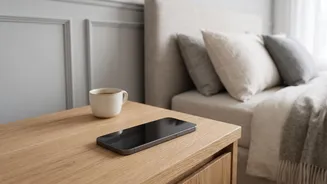
Experts recommend creating a buffer zone between screen time and sleep time, ideally for at least one to two hours before bed. Think of this as a 'digital sunset.' Set an alarm on your phone—not to wake up, but to remind you it's time to put it away for the night. A consistent evening routine signals to your body and mind that it's time to prepare for rest. Make charging your phone overnight in another room a part of this ritual. This single habit removes the temptation to check it if you wake up during the night and forces you to use a traditional alarm clock, which lacks the endless distractions of a smartphone.
Use Data for Insight, Not Anxiety
If you do use a sleep tracker, the key is to use the data wisely. Instead of obsessing over a single night’s score, look for broad patterns over weeks or months. Does your sleep duration decrease on work nights? Is your sleep quality worse after a late-night meal or an evening workout? This information can provide valuable insights, empowering you to make informed lifestyle changes. The data shouldn't be a source of stress but a tool for awareness. If your tracker consistently flags potential issues like frequent awakenings or snoring, it might be a genuinely useful prompt to consult a sleep specialist, but the app itself is not a diagnostic tool.