




Prioritise Paw and Coat Care
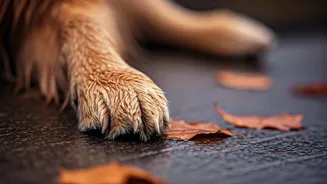
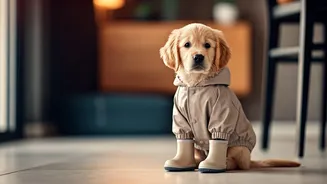
Muddy puddles and damp lanes are an unavoidable part of monsoon walks. But moisture trapped in your pet's paws and fur can become a breeding ground for fungal and bacterial infections. Make it a non-negotiable rule to thoroughly clean and dry their paws and underbelly
after every single outing. Use a soft, absorbent towel. For dogs with long fur, a quick blast with a hairdryer on a low, cool setting can work wonders. Pay close attention to the areas between their toes. Regularly check for any redness, rashes, or foul odours, which could be early signs of an infection that needs a vet's attention. A little diligence here prevents a lot of discomfort later.
Adjust Their Diet and Hydration
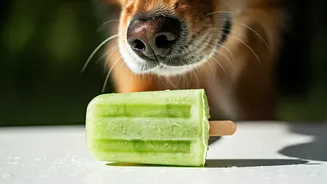
Just like us, pets are generally less active during the monsoon. With fewer walks and less running around, their caloric needs decrease. To prevent unnecessary weight gain, consider slightly reducing their meal portions. Opt for light, easily digestible food. You can also boost their immunity by adding fibre-rich foods like boiled pumpkin or carrots to their diet, which aids digestion. Crucially, ensure they always have access to fresh, clean drinking water. Rainwater collected in puddles is full of contaminants and parasites; never let your pet drink from them. Keeping their water bowl clean is more important than ever during this season.
Soothe Thunderstorm Anxiety
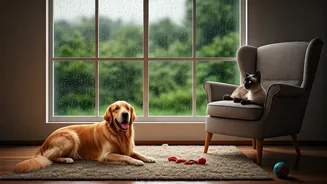
The loud clap of thunder and flashes of lightning can be terrifying for many animals. This is known as astraphobia, and it can cause severe stress. Pampering your pet means creating a safe haven for them during storms. Designate a cosy corner in your home—perhaps a crate with a comfy blanket or a spot under a bed—where they can retreat. Playing calming music or white noise can help drown out the storm's sounds. Distract them with a favourite toy or a long-lasting chew. Most importantly, remain calm yourself. Your pet will pick up on your anxiety, so projecting a sense of security is one of the best things you can do for them.
Beat Indoor Boredom with Enrichment
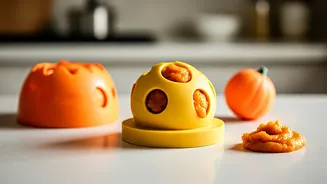
Skipped walks mean pent-up energy, which can lead to destructive behaviour like chewing furniture or excessive barking. Keep your pet mentally and physically stimulated indoors. Invest in puzzle toys or treat-dispensing toys that make them work for their food. A simple game of 'find the treat' by hiding small snacks around the house can be very engaging. Short, indoor training sessions to practice commands like 'sit,' 'stay,' or 'shake hands' are another great way to work their brain. For cats, a laser pointer or a feather wand can provide a great indoor workout. The goal is to tire them out happily.
Ramp Up Parasite Protection
The damp, humid weather is perfect for ticks, fleas, and mosquitoes to thrive. These pests are not just an annoyance; they can transmit serious diseases. Even if your pet is spending more time indoors, they are still at risk. Ensure their tick and flea prevention treatment is up-to-date. Consult your vet about the best product for your pet—whether it’s a spot-on treatment, a special collar, or oral medication. Also, be vigilant about mosquito-borne illnesses. Avoid letting water stagnate in or around your home, as these are breeding spots for mosquitoes.
Maintain a Clean and Dry Environment
Humidity can make everything feel damp, including your pet's bedding. A damp bed is not only uncomfortable but can also lead to skin issues and attract mould. Make sure to wash and completely dry their bedding more frequently during the monsoon. Keep their living area well-ventilated to reduce humidity. Wiping your pet down with a dry towel even when they haven't been outside can help keep their coat fresh and reduce that 'wet dog' smell that often permeates the house during this season. A clean pet starts with a clean home environment.