




Why Go Natural?
Moving away from synthetic rangoli powders has multiple benefits. Natural materials like flower petals and spices are completely biodegradable, meaning they won't harm the soil or water when cleaned up. They are safe for homes with children and pets,
who might otherwise come into contact with chemical dyes. Beyond being eco-friendly, these materials offer a unique sensory experience. The gentle fragrance of rose, marigold, and jasmine, combined with the earthy aroma of spices, adds an authentic and welcoming layer to your festive decor that artificial colours simply cannot match.
Gathering Your Eco-Friendly Palette
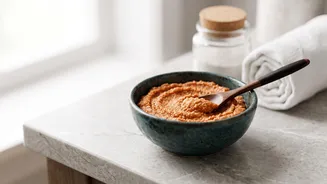
Your garden and kitchen are treasure troves for rangoli materials. For colours and textures, think in terms of flowers, leaves, and spices. Popular flower choices include the vibrant orange and yellow of marigolds, deep reds and pinks from rose petals, and pure whites from jasmine or chrysanthemum. For your powdered colours, the kitchen provides everything you need. Turmeric powder offers a brilliant yellow, while kumkum or chili powder can be used for reds. Rice flour is a perfect, traditional base for creating white outlines and fillers. You can even create other shades, like grinding dried beetroot for pinks or using cinnamon powder for warm browns.
Preparing Your Canvas and Design
Start with a clean, flat surface at your doorstep. For a longer-lasting design, especially outdoors, you can lightly dampen the floor, which helps the petals and powders adhere better. Before you begin placing any colours, it's crucial to have a design in mind. You can sketch your pattern directly onto the surface with a piece of chalk. Popular designs often feature geometric shapes, lotus motifs, peacocks, or simple concentric circles. For beginners, starting with a basic circular or floral pattern is a great way to practise the technique. Using a stencil is another excellent option for achieving a clean, symmetrical design without much effort.
A Step-by-Step Guide to Creation
Once your outline is ready, the creative process begins. A common technique is to work from the outside in to avoid smudging your own work. Start by reinforcing your chalk lines with a textured white powder like rice flour or semolina; this creates a crisp border. Next, begin filling the larger sections. Carefully place flower petals within the designated areas. Don't be afraid to layer them for a fuller, more textured look. After the petals are in place, use your spice powders for the finer details and accents. A small paper cone can help you pour the powders with more precision. Take your time and enjoy the process of watching your design come to life.
Tips for a Flawless, Lasting Finish
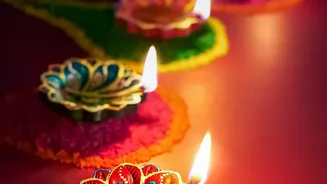
To keep your floral rangoli looking fresh, gently sprinkle a little water over the petals to prevent them from drying out and curling, especially if the area receives sunlight. However, avoid soaking them, as this can cause colours to bleed. To add a final festive touch, place diyas or small candles in and around your design. Ensure there is a safe clearing around any open flame, as dried petals can be flammable. Placing diyas in the centre or along the border illuminates the colours and makes your rangoli truly stand out, especially in the evening.